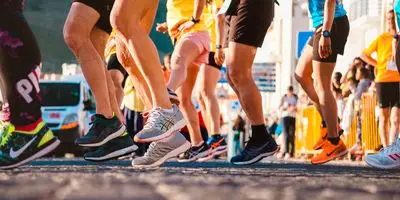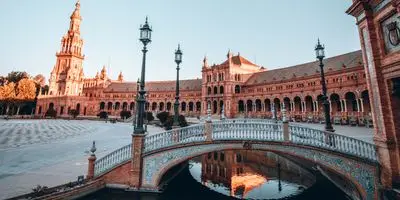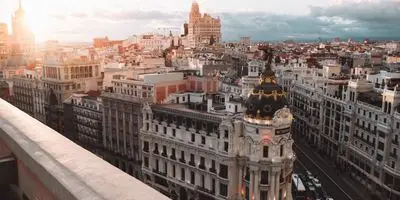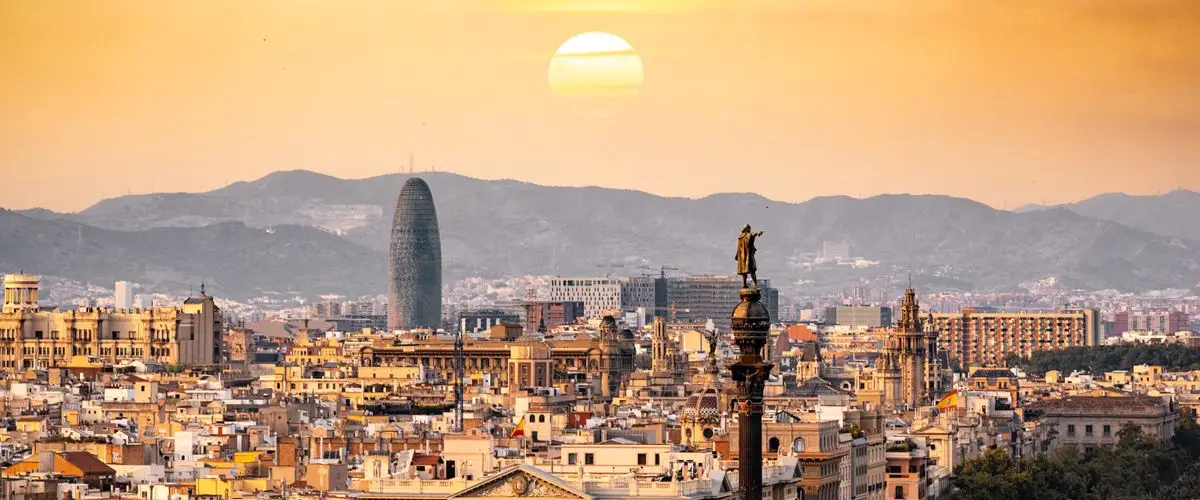
The Zurich Barcelona Marathon has established itself as one of Europe's most appealing destination races. Every March, over 32,000 runners from more than 100 countries descend on the Catalan capital to tackle 42.195 kilometres through a course that weaves past architectural masterpieces, along the Mediterranean seafront and through centuries-old neighbourhoods. For many international runners, Barcelona offers something rare: a genuinely fast course wrapped in a world-class tourist destination.
Whether this is your first marathon or you are chasing a personal best, this guide covers everything you need: registration details, a thorough course breakdown, a training framework, race day strategy and practical travel advice. Barcelona delivers on every front, and with the right preparation, your experience here can be unforgettable.
Why the Barcelona Marathon stands out
Barcelona is not just another marathon on the European calendar. It holds World Athletics Gold Label status, placing it among the most prestigious road races in the world. But what truly sets it apart is the combination of three factors that are hard to find together: a fast course, perfect spring weather and an extraordinary city to explore before and after the race.
The course takes runners past some of the most recognisable landmarks on the planet. You will run alongside the Sagrada Familia, cruise down the Diagonal, skirt the hills of Montjuïc, glide along the Mediterranean seafront and thread through the Gothic Quarter before finishing at the magnificent Arc de Triomf. Few marathons anywhere offer this density of iconic scenery.
March temperatures in Barcelona typically range from 10 to 16 degrees Celsius (50-61 F), which falls squarely in the optimal range for marathon performance. You avoid the winter cold that plagues northern European races and the heat that can make spring marathons in southern locations risky. The Mediterranean climate delivers mild, stable conditions that your body will thank you for at kilometre 35.
The course profile is predominantly flat with gentle undulations, accumulating roughly 100 metres of elevation gain over the full distance. While not pancake-flat like the Valencia or Berlin courses, the hills are brief and manageable, and the overall profile is fast enough that elite runners have posted a men's course record of 2:04:13 and a women's record of 2:19:33.
With over 32,000 bibs and runners from more than 100 nationalities, the atmosphere is electric. Live music, percussion groups and enthusiastic crowds line the course from start to finish, creating an energy that carries you through the toughest stretches.
Key facts: Barcelona Marathon 2026
| Detail | Information |
|---|---|
| Date | March 2026 |
| Start | Passeig de Gràcia (near Plaça Catalunya) |
| Finish | Arc de Triomf |
| Distance | 42.195 km (official marathon) |
| Course profile | Mostly flat, ~100 m cumulative elevation gain |
| Men's record | 2:04:13 |
| Women's record | 2:19:33 |
| Entries | ~32,000 |
| Label | World Athletics Gold Label |
| Temperature | 10-16 °C (50-61 °F) |
| Official website | zurichmaratobarcelona.es |
The course: what to expect
The Barcelona Marathon starts on Passeig de Gràcia, one of the city's most glamorous boulevards, lined with Modernista masterpieces by Gaudí, Domènech i Montaner and Puig i Cadafalch. The opening kilometres take runners through the heart of the Eixample district, the grid-patterned neighbourhood designed by Ildefons Cerdà, with its wide streets and signature chamfered corners.
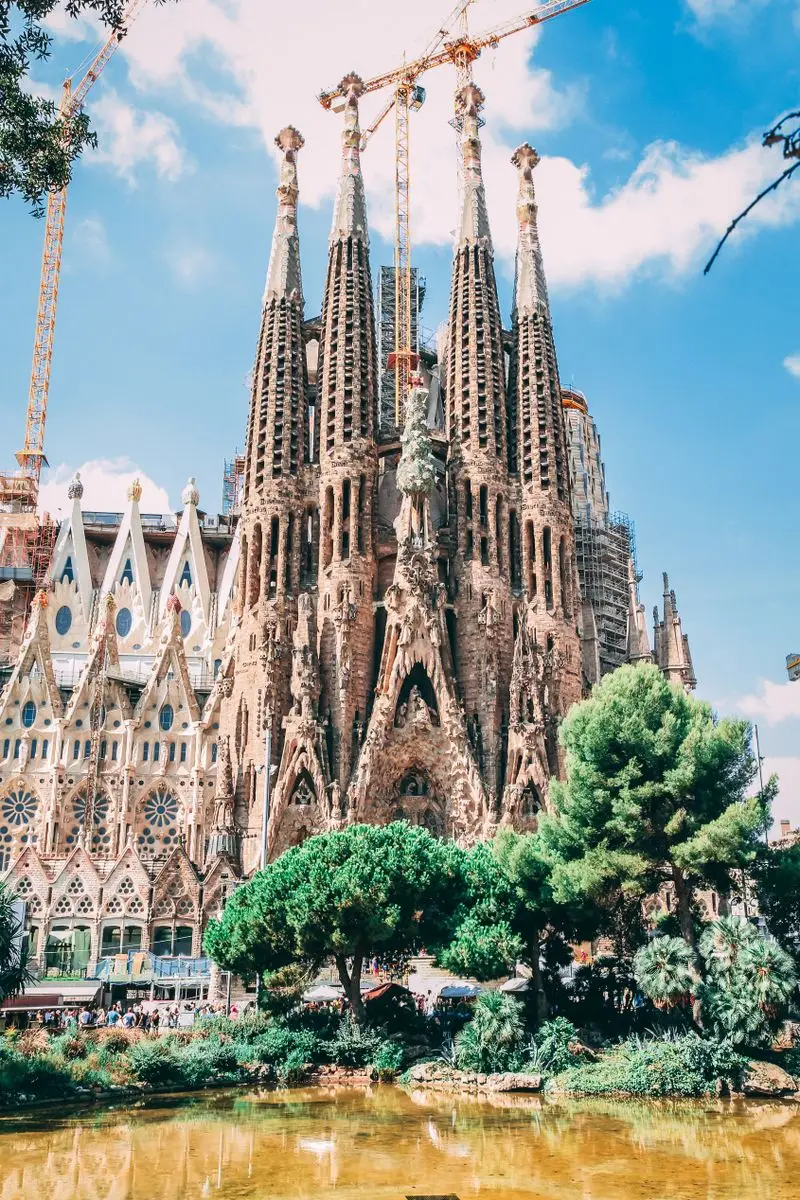
The course winds past the Sagrada Familia, giving runners a close-up view of Gaudí's unfinished cathedral before heading along the Avenida Diagonal towards the Montjuïc area. This is where the course shows its teeth: a series of gentle inclines that account for most of the 100 metres of total elevation gain. The climbs are short and the gradients mild, but after 25-30 kilometres, even small hills require respect.
After Montjuïc, the course drops back down to sea level and enters one of its most enjoyable stretches: the seafront promenade along the Port Olímpic and Barceloneta. Running beside the Mediterranean with the sea breeze on your face provides a welcome lift during the final third of the race.
The closing kilometres thread through the historic Gothic Quarter and past the Parc de la Ciutadella before the grand finale: the straight run down Passeig Lluís Companys to the finish beneath the Arc de Triomf. The crowds here are thick and loud, and the sight of the terracotta arch framing the finish line is one of the most memorable in European road running.
If you want to scout training routes in the city ahead of race day, check out our guide to the best running routes in Barcelona. Many local runners use Montjuïc, the seafront promenade and the Ciutadella park for their long runs.
Registration and entry fees
Registration for the Barcelona Marathon is handled through the official website: zurichmaratobarcelona.es. Like most major European marathons, the race uses tiered pricing: the earlier you register, the less you pay.
Early-bird entries typically start around 55-65 euros, with prices rising to approximately 100 euros in the final registration window. The race is capped at roughly 32,000 entries and does sell out, so if you are planning to travel internationally, securing your bib well in advance is strongly recommended. This also allows you to book flights and accommodation at better rates.
The Runner's Fair (Feria del Corredor)
The Friday and Saturday before the race, the Runner's Fair takes place at Fira de Barcelona (Montjuïc venue). Attendance is mandatory because this is where you collect your race bib, timing chip and runner's bag, which typically includes the official race t-shirt and sponsor samples.
Beyond bib collection, the fair is worth a visit in its own right. Major running brands have exhibition stands, there are technical talks, physio stations and the pre-race buzz that gets you into the right headspace. Remember the golden rule: nothing new on race day. If you buy shoes or gear at the fair, save them for your next training block.
- Bib: Must be collected in person at the Runner's Fair. No postal delivery and no race day collection.
- Documents: Bring your passport or ID and registration confirmation.
- Runner's bag: Includes official t-shirt, timing chip, race guide and sponsor samples.
- Fair hours: Friday and Saturday, typically 10:00-20:00.
How to train for the Barcelona Marathon
A solid marathon preparation requires 16 to 20 weeks (4-5 months) of structured training. With the Barcelona Marathon falling in March, your training block should start between October and November of the previous year.
Training plan structure
A standard marathon training plan involves 4-5 running days per week with a mix of session types:
- Easy runs (2-3 days): Conversational-pace efforts that build your aerobic base. These form the bulk of your weekly volume, typically 40-70 minutes per session.
- Long run (1 day): The cornerstone of marathon training. Start at 16-18 km and build progressively to 32-35 km in your peak weeks. Run these at easy or slightly faster than easy pace.
- Quality sessions (1-2 days): Tempo runs, marathon-pace intervals or fartlek to improve your lactate threshold and teach your body to sustain your target pace. For more detail, read our guide to zone-based training for runners.
- Rest or cross-training (1-2 days): Recovery is where adaptation happens. Swimming, cycling or yoga are excellent options on non-running days.
Building the long run
Your long run should increase by roughly 2 km per week, with a step-back week every 3-4 weeks. The longest run should not exceed 32-35 km and should take place at least 3 weeks before race day to allow full recovery. Practice your race day nutrition strategy during these long runs.
If you have not yet completed a half marathon, consider running one as part of your build-up. Our half marathon training plan can serve as a stepping stone before committing to the full distance. Barcelona also hosts its own half marathon in February, which many runners use as a dress rehearsal.
Include hill work
Unlike completely flat marathons, Barcelona features gentle undulations around Montjuïc. Including at least one weekly session with short hill repeats (2-4% gradient, 200-400 m) during your training will strengthen your glutes and calves and prepare you to handle the course without paying a price in the final kilometres.
Injury prevention
Marathon training volumes increase injury risk. Add strength work for runners (squats, lunges, core exercises) at least twice a week, do post-run stretches after every session and listen to your body. If pain persists, reduce your load before it becomes a full-blown injury. Our injury prevention guide covers the essentials.
For a week-by-week structured plan, check out our 16-week sub-4-hour marathon plan, which you can adapt to the Barcelona Marathon calendar.
Train with others for the marathon
Many runners prepare for this race together to stay motivated. On CorrerJuntos you can find runners near you with a similar pace and goal.
Race day tips
You have put in months of training. What you do in the hours before the gun goes off and during the 42 kilometres can make the difference between a magical experience and unnecessary suffering. Here are the most important tips for race day at the Barcelona Marathon.
Nothing new on race day
This applies to everything: shoes, socks, shorts, vest, sports bra, cap, sunglasses, gels, sports drink. Every item you wear or consume on race day should have been tested in training. New shoes can cause blisters at km 25, an untested gel can wreck your stomach and a top with poorly placed seams can leave you chafed and bleeding. For shoe guidance, read our best carbon plate racing shoes guide or our general guide to choosing running shoes.
Eat breakfast 3 hours before the start
Set your alarm early enough to eat a carb-rich, low-fibre, low-fat breakfast at least 3 hours before the gun: toast with jam, instant oats with banana, white rice with honey. Aim for 100-150 grams of carbohydrates to top up your liver glycogen stores after the overnight fast. For specific ideas, see our article on what to eat before running.
Manage the spring weather
March in Barcelona can surprise you. While the average is 10-16 degrees, mornings can be cool at the start and midday sun can add warmth by the time you finish. Dress for the temperature you expect at km 20, not km 1. A disposable bin bag over your race kit at the start keeps you warm until the gun fires. A running cap and sunglasses are smart additions if the sun is forecast.
Start drinking from kilometre 5
Do not wait until you feel thirsty. Begin hydrating from the first aid station with small sips of water or sports drink. Alternate between the two to maintain both hydration while running and electrolyte levels. Dehydration degrades performance sharply and can be dangerous.
Fuel every 30-45 minutes
Even with solid carb loading beforehand, you need to take in carbohydrates during the race to avoid hitting the wall. Current guidelines recommend 60-90 grams of carbs per hour, which translates to one energy gel every 30-45 minutes. Take each gel with water to aid absorption. If you are unsure which gel to use, read our guide on choosing the right marathon gel.
Start conservative
The most common marathon mistake, especially for first-timers: going out too fast. The adrenaline of Passeig de Gràcia, the roaring crowds, thousands of runners around you... everything pushes you to run faster than you should. But a marathon is won or lost after kilometre 30. Start 10-15 seconds per kilometre slower than your target pace. If you feel strong after km 25, then push. If you blow up at km 30 because you went out too fast, there is no recovery.
Race day nutrition plan
Carry your own fuel. While the organizers provide well-stocked aid stations, do not rely on them exclusively. Bring gels you have tested in training, salt tablets if you use them, and plan exactly which kilometre you will take each one. For a complete fuelling strategy, see our race day nutrition guide.
Travel and accommodation
Barcelona is one of Europe's premier tourist destinations, which means excellent transport links and vast accommodation options. But it also means high demand during marathon weekend. Plan ahead to get the best deals.
Book accommodation early
With 32,000 runners plus their families and friends, hotel demand spikes during marathon weekend. Book at least 3-4 months in advance for the best rates and locations. If you are flying in from abroad, the earlier you book everything (flights + hotel), the more you will save.
Where to stay
The best areas for marathon runners are:
- Eixample: Central location, close to the start line on Passeig de Gràcia and well connected by metro. The best balance of location and value for runners.
- Ciutat Vella / Gothic Quarter: Near the finish at the Arc de Triomf and the city's best restaurants and nightlife. Ideal if you want to explore Barcelona after the race.
- Barceloneta / Port Olímpic: Beachfront location along part of the course. Perfect if you want a recovery walk on the beach the day after.
- Sants: Next to the high-speed train station. More affordable than the centre and well connected by metro. Ideal if you are arriving by train.
Getting to Barcelona
Barcelona is one of Europe's best-connected cities:
- By air: El Prat Airport (BCN) is 15 km from the city centre, served by metro line L9 Sud, the Aerobús express bus (35 minutes to Plaça Catalunya) and Renfe regional trains. Barcelona has direct flights from most European capitals and many international destinations.
- By train: Barcelona Sants station is the high-speed rail hub, with AVE connections to Madrid (2h 30min), Zaragoza (1h 30min) and other Spanish cities. There are also international connections to Paris and other French cities.
- By car: Barcelona is accessible via the AP-7 from France and Valencia, and the A-2/AP-2 from Madrid. Be aware that city centre parking is expensive and limited, especially on race day.
- City transport: Barcelona's metro system is excellent and extensive. Lines L1 and L4 provide easy access to the start and finish areas.
After the race
Barcelona is one of the world's great cities, and spending a few days here after the marathon is well worth it. The Catalan cuisine is outstanding: tapas in the Born neighbourhood, seafood on the Barceloneta, calçots (if you catch the end of the season), patatas bravas, pa amb tomàquet. Your body will need to refuel, so treat yourself. If you are staying on, visit the Sagrada Familia, explore the Gothic Quarter, walk through Park Güell, stroll down Las Ramblas or simply sit on the beach and let your legs recover. For recovery nutrition advice, see our post-run recovery nutrition guide.
Finding training partners
Marathon preparation is a 4-5 month commitment that tests your fitness, discipline and mental resilience. Early mornings, long runs in the rain, days when your legs feel like lead, days when you would rather stay on the sofa... training alone through all of that is tough. Training with others who share your goal changes the equation entirely.
When you train with people who are also preparing for a marathon, the dynamics shift. On the days you lack motivation, they pull you out the door. Long runs feel shorter when you have someone to talk to. Pacing becomes more accurate when you have a training partner keeping you honest. And the shared accountability keeps you consistent week after week.
If you are based in Barcelona, the city has a thriving running community with numerous clubs and group runs. Check out our guide to running meetups in Barcelona to find groups near you. If you are training from another city and travelling to Barcelona for the race, you can still find training partners locally: Madrid, London, Paris, Valencia... wherever you are, there are runners near you preparing for the same event.
Group training also gives you access to collective experience. Someone in your group has probably already run the Barcelona Marathon, knows how to handle the Montjuïc section, has tested which gels work best for them and can share practical advice that no training plan can provide.
Training for the Barcelona Marathon?
Find runners who are also preparing for this race. Join group runs, discover routes and train together. Prepare the race of your life with others who share your goal.
Find running partners on CorrerJuntosFrequently asked questions
When is the Barcelona Marathon 2026?
The Zurich Barcelona Marathon 2026 takes place in March 2026. The start is on Passeig de Gràcia near Plaça Catalunya, and the finish is at the Arc de Triomf. It holds World Athletics Gold Label status and attracts over 32,000 runners from more than 100 countries worldwide.
Is the Barcelona Marathon course flat?
The course is mostly flat with gentle undulations. Total elevation gain is approximately 100 metres, concentrated mainly around the Montjuïc area. The rest of the course runs along wide, flat boulevards through the Eixample district, the Diagonal and the seafront promenade. It is a fast course suitable for personal bests and first-time marathoners alike.
How much does Barcelona Marathon registration cost?
Entry fees vary by registration period. Early-bird prices typically start around 55-65 euros, rising to approximately 100 euros in the final window. The race is capped at about 32,000 entries and tends to sell out. Check the official website zurichmaratobarcelona.es for current pricing and availability.
What are the Barcelona Marathon course records?
The men's course record is 2:04:13 and the women's course record is 2:19:33. These times demonstrate the quality of the course and the favourable March weather, with temperatures typically between 10-16 degrees Celsius (50-61 F).
Is Barcelona a good marathon for first-timers?
Barcelona is an excellent choice for a debut marathon. The course is mostly flat with only minor undulations, March temperatures are ideal for distance running (10-16 C / 50-61 F), organisation is world-class with well-stocked aid stations, crowd support is enthusiastic throughout the course, and the city offers an incredible travel experience before and after the race.
How do I get to the Barcelona Marathon?
Barcelona is one of Europe's best-connected cities. You can fly into El Prat Airport (BCN), just 15 km from the city centre with metro, bus and train connections. The AVE high-speed train connects Barcelona Sants to Madrid in 2h 30min. You can also drive via the AP-7 or A-2 motorways. The city has an excellent metro network for getting to the start and finish areas on race day.
What should I do in Barcelona after the marathon?
Barcelona offers world-class post-race tourism: visit the Sagrada Familia, explore the Gothic Quarter, relax on Barceloneta beach, enjoy Catalan tapas in the Born or Eixample neighbourhoods, walk through Park Güell or visit Camp Nou. March weather is mild and perfect for sightseeing while your legs recover.
Running tips and training advice in your inbox
Plans, strategies and tips to prepare your next marathon. No spam.
Join 1,100+ runners