The running cap is one of those accessories that many runners underestimate until they truly need it. An intense sunny day without head protection, sweat constantly dripping into your eyes, or a light rain impairing your vision: these are situations that a good running cap solves completely. And yet, most runners spend more time choosing socks than selecting a proper cap (World Athletics).
The reality is that not all caps are equal for running. Conventional cotton caps absorb sweat, become heavy and don't breathe. Technical running caps are designed with moisture-wicking fabrics, mesh panels for ventilation, brims that don't warp with sweat, and adjustment systems that stay secure even during sprints or trail descents. The difference between a cheap 5-euro market cap and a dedicated 25-euro running cap is enormous in terms of comfort and performance. If you want to dive deeper into all technical running gear, we recommend our complete running clothing guide where we cover every garment in detail.
In this guide, we've selected the 8 best running caps and visors of 2026, from ultralight options weighing 35 grams to models with UPF 50+ sun protection. We evaluated each one based on fabric, ventilation, weight, brim length, sweat management, packability and reflective elements. Whether you run on roads or trails, whether you sweat heavily or run in cold climates, you'll find your ideal cap here.
Why wear a cap for running
Running without a cap under direct sunlight exposes your head to ultraviolet radiation that can cause anything from scalp sunburns to serious heatstroke. But sun protection is just one of the many reasons a cap should be part of your regular running kit. The brim keeps sweat and rain out of your eyes, improving your vision in any conditions. On cold days, a cap retains body heat that escapes through the head, and on hot days, it creates a layer of shade that reduces the perceived temperature in the cranial area.
From a performance standpoint, a running cap with good sweat management eliminates the constant distraction of having to wipe your forehead with your hand or shirt. Runners who sweat heavily notice an immediate difference: the inner band absorbs sweat and distributes it across the fabric, where it evaporates thanks to ventilation. This allows you to maintain focus on your pace, breathing and form, instead of constantly worrying about sweat dripping into your eyes.
Key benefits of running with a cap
- Sun protection: A cap with UPF 40+ blocks over 97% of UV rays, protecting the scalp, forehead and upper ears. Especially important for runners with short hair, baldness or thin hair.
- Sweat management: The absorbent inner band and technical fabrics channel sweat away from the forehead and eyes, preventing irritation and vision loss. Some models like the Halo Sport Visor use specific sweat-channeling technology.
- Rain protection: The brim acts as a small umbrella for your eyes, maintaining clear vision in light to moderate rain. Essential for runners in wet climates.
- Temperature regulation: In heat, the brim's shade reduces perceived temperature. In cold, the fabric retains body heat. Some models serve double duty thanks to materials that insulate without overheating.
- Visibility: Many running caps include reflective elements that improve your visibility in low-light conditions. Running at dawn or dusk with a reflective-logo cap is an extra layer of safety at no cost.
Cap vs visor vs headband: key differences
Before diving into the product ranking, it's essential to understand the differences between the three main types of running headwear. Each has specific advantages, and the right choice depends on your priorities, climate and type of training. For more accessory options, visit our running accessories section (ACSM).
Full cap
The classic running cap covers the entire top of the head and has a front brim. It's the most versatile option and offers the most sun protection. Running models differ from conventional caps through their rear or side mesh panels for ventilation, technical moisture-wicking fabrics, and significantly lower weight (40-70 g compared to 80-120 g for a cotton cap). The cap is the best choice for long runs under the sun, runners with exposed scalps, and rainy conditions.
Visor
The visor protects the eyes from sun and rain but leaves the top of the head completely exposed. This maximizes ventilation and heat dissipation, making it the favorite of many runners in hot climates. The downside is obvious: it doesn't protect the scalp from UV rays or rain. Visors are ideal for runners with long hair who want to maintain ventilation, for hot days where the priority is avoiding overheating, and for runners who feel claustrophobic with full caps.
Headband
The headband has no brim: its main function is to absorb sweat and keep it out of your eyes. It's the lightest option (15-30 g) and the most breathable, but offers no sun or rain protection. It's perfect for short workouts on cloudy days, for wearing under a helmet during cycling or technical trail, or as a complement when you don't need a brim but do need sweat management.
The 8 best running caps 2026
We selected these 8 caps and visors based on real-world testing while running in different conditions: intense sun, rain, cold, speed sessions and long runs. We evaluated fabric, ventilation, weight, brim length, sweat management, packability and reflective elements. The ranking goes from best value to the most specialized options.
Find your running with a group
1,100+ runners already train together. Free on iOS.
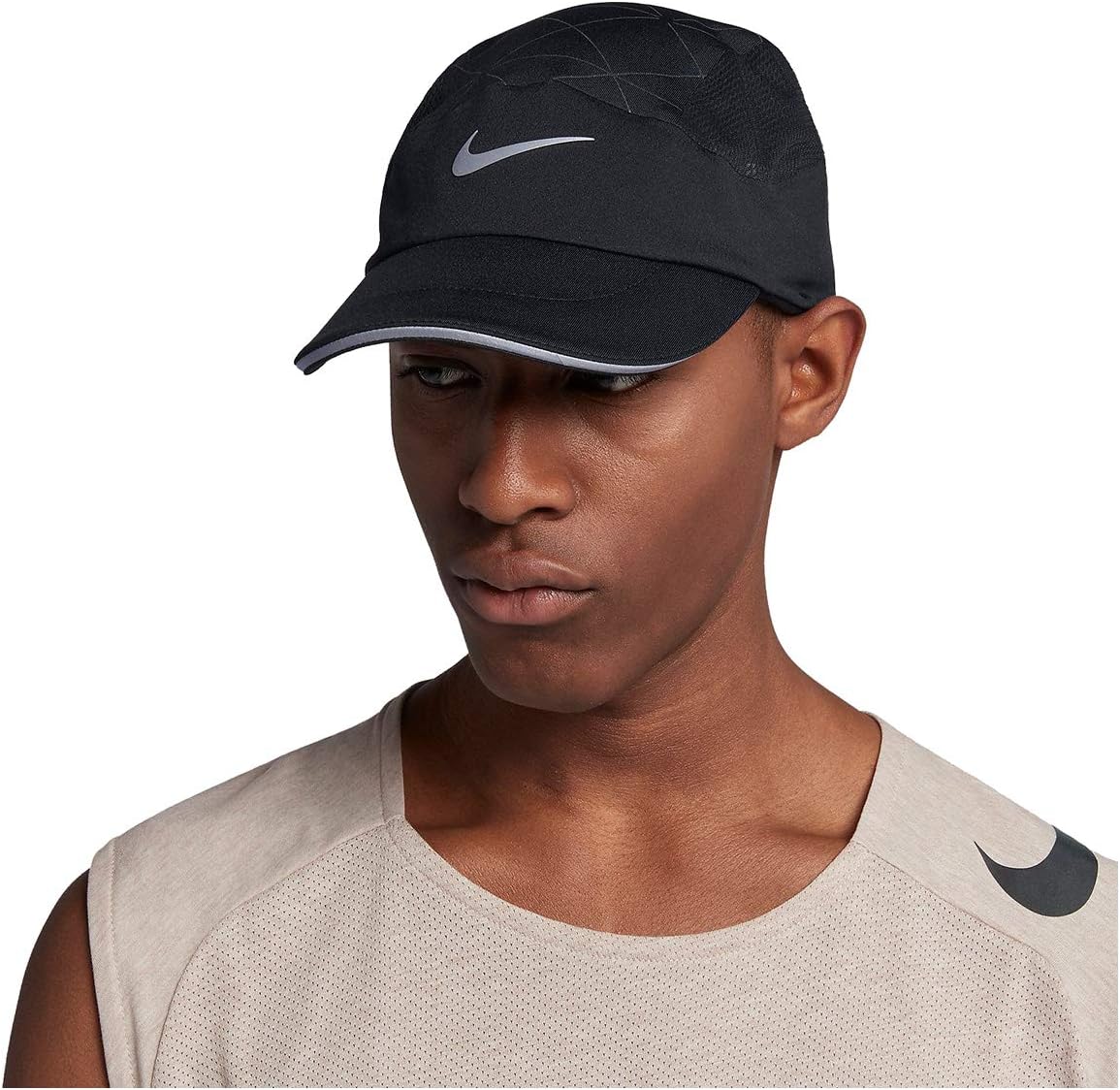
1 Nike AeroBill Tailwind Elite
The Nike AeroBill Tailwind is arguably the most popular running cap on the market, and for good reason. It uses Nike's AeroBill technology, combining a quick-drying Dri-FIT outer fabric with perforated side mesh panels that provide excellent ventilation without compromising the cap's structure. The result is a cap that breathes very well on hot days but doesn't lose its shape with continued use.
The interior sweatband is among the best on the market: it absorbs without saturating quickly and distributes moisture evenly. The 7 cm curved brim provides solid sun protection without being excessively long. The rear closure is Velcro with multiple adjustment positions. Available colors range from white to black through neon tones with reflective details. This is the cap we recommend as a first purchase for any runner without a running cap.
Check price on Amazon
2 Salomon XA Cap
Salomon has dominated trail running gear for decades and their XA Cap is the benchmark for mountain caps. It features a shorter and stiffer brim than road caps, preventing the brim from interfering when looking upward on steep climbs. The fabric is recycled polyester with AdvancedSkin quick-dry treatment that wicks moisture very efficiently.
What we love most about the Salomon XA Cap is its fit. The rear elastic strap adjustment system adapts perfectly to the head and doesn't move even on the most technical descents. The side mesh is 360 degrees, meaning ventilation is complete even on the climbs where you generate the most heat. It's also one of the easiest caps to fold and store in a trail vest pocket. If you run on trails, this is your cap.
Check price on Amazon
3 Buff Pack Run Cap
The Buff Pack Run Cap is the cap that weighs practically nothing. At barely 35-45 grams depending on the model, it's the lightest option in this ranking and one of the lightest on the market. Its greatest advantage is packability: it can be folded down to the size of a fist and stored in any pocket without any bulk. It's made with a 4-way stretch fabric that adapts to any head size without needing an adjustable rear closure.
The brim is flexible and foldable, which contributes to its packability but means it's not as rigid as more structured caps. In heavy rain, the flexible brim may lose some shape, though in light rain it works perfectly. Many models include Coolnet UV+ technology with UPF 50+ protection, making it an excellent option for running under the sun. It's the perfect cap for minimalist runners, for always carrying in your pack as an emergency option, and for races where every gram counts.
Check price on Amazon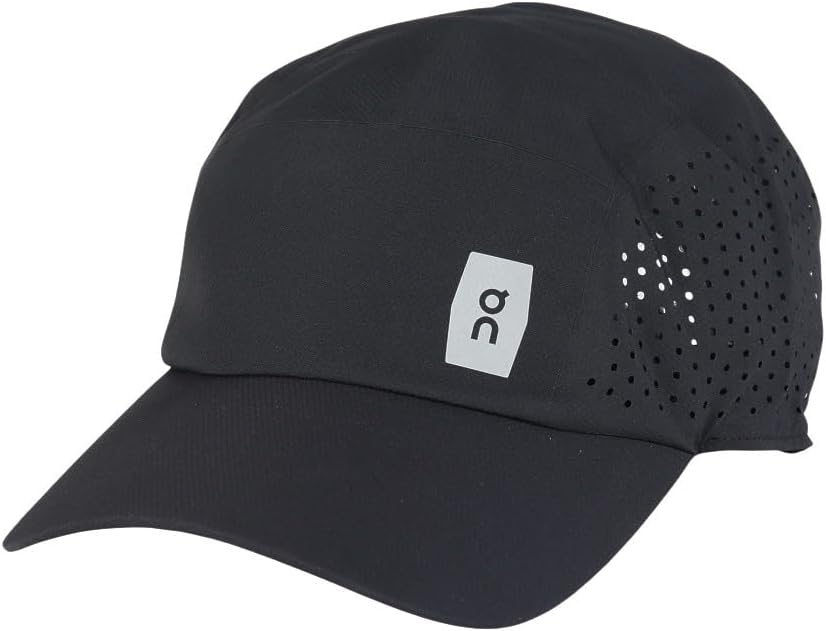
4 On Lightweight Cap
On Running has brought its minimalist and functional design philosophy to its accessories, and the Lightweight Cap is a perfect example. It's a cap with a clean and elegant look that doesn't appear sporty at first glance, making it versatile for everyday use as well. But don't be fooled by the aesthetics: it's built with high-end technical fabrics that manage moisture and temperature outstandingly.
Ventilation is achieved through laser perforations in the side panels instead of conventional mesh, giving it that clean look with real functionality. The interior sweatband is soft and doesn't irritate even on runs longer than two hours. The rear adjustment system is a minimalist clip with several positions. It's the most expensive cap in the mid-range of the ranking, but the build quality and finish justify the price difference. If you value aesthetics as much as performance, this is your cap.
Check price on Amazon
5 CIELE Athletics GOCap SC
CIELE Athletics is a Canadian brand that has earned a cult following among runners for its exceptionally high-quality caps. The GOCap SC (Standard Curve) is their best-selling model and arguably the best-built running cap on the market. Every detail is designed for performance: the COOLwick fabric is extremely light with surprisingly fast drying, the interior sweatband is the most absorbent we've tested, and the curved brim has the perfect rigidity.
What sets CIELE apart is the attention to detail. The reflective logo uses high-visibility 3M technology, the rear closure is elastic with a buckle that doesn't snag hair, and the colors and designs are exclusive limited-edition runs that turn each cap into almost a collector's piece. UPF 40+ protection is certified. It's the most expensive cap in our ranking, but if you run daily and want the best possible experience on your head, the GOCap won't disappoint.
Check price on Amazon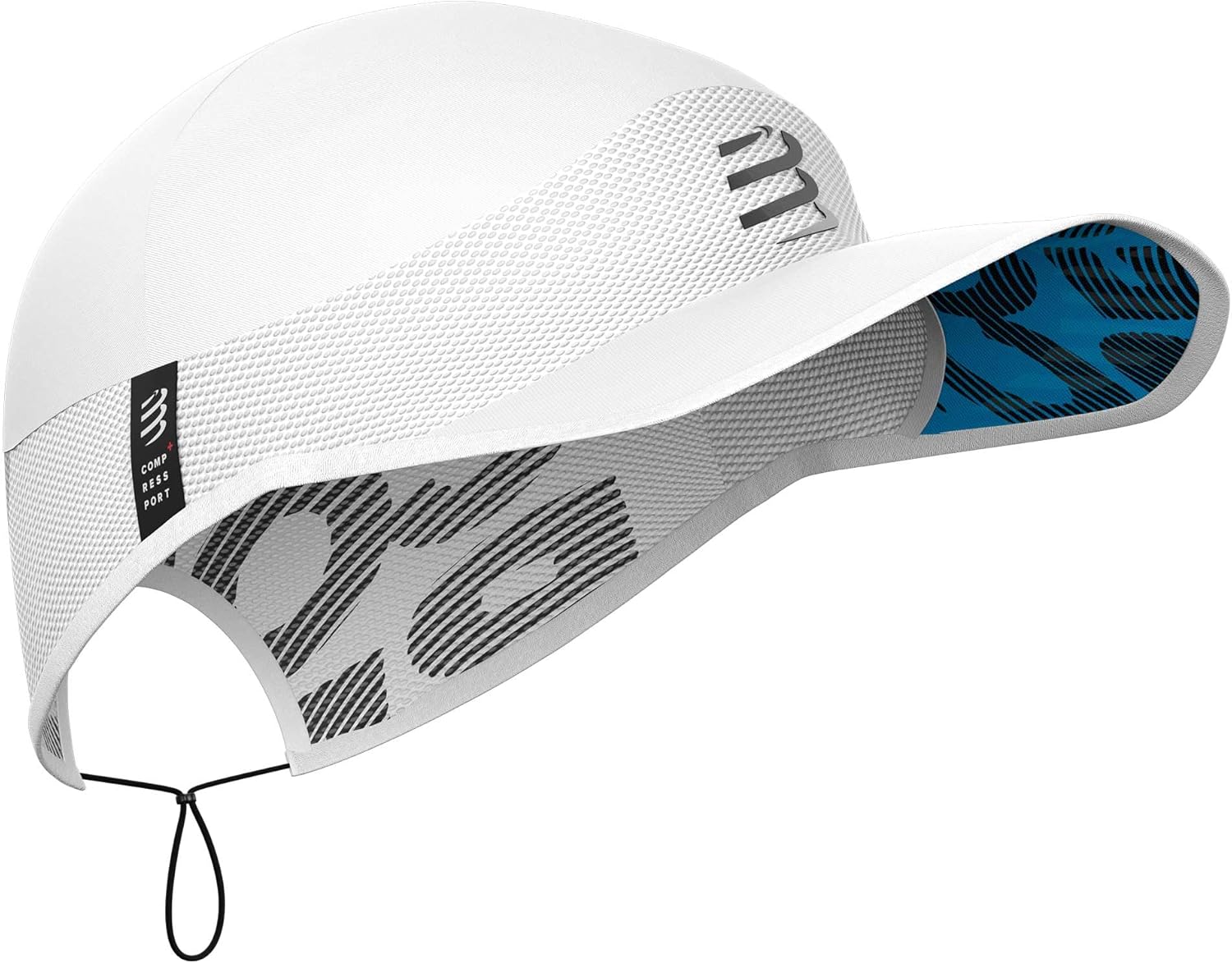
6 Compressport Pro Racing Cap
Compressport is a Swiss brand specializing in compression and performance textiles for endurance sports. Their Pro Racing Cap is designed specifically for races and ultra-distances, where the cap needs to perform perfectly for hours without adjustments or discomfort. It uses an ultralight fabric with 3D Thermo technology that regulates temperature based on ambient heat: it ventilates more when it's hot and retains some warmth when the temperature drops.
The Pro Racing Cap includes wider reflective strips than most competitors, making it ideal for races that start or finish in low light. Its packability is good though not at the level of the Buff Pack Run. Where it truly shines is in races lasting more than 4 hours: its fit doesn't shift, the sweatband doesn't saturate as quickly as other caps, and the 3D Thermo fabric maintains a comfortable temperature even when alternating between sun and shade on mountain trails.
Check price on Amazon7 Decathlon Kalenji Run
The Kalenji Run cap from Decathlon proves you don't need to spend a lot to get a functional running cap. For just 10 euros you get a lightweight cap with quick-dry polyester fabric, mesh panels for ventilation, and an interior sweatband that does its job. It doesn't have the technologies or finishes of caps three times its price, but for beginner runners or as a backup cap, it's unbeatable on price.
The limitations are evident in direct comparison: the rear mesh is less extensive, the sweatband saturates sooner, the fabric takes longer to dry, and the brim loses shape more easily after many washes. But this is all relative: for workouts of up to an hour in normal conditions, the Kalenji Run works perfectly. And compared to any non-sport cap at a similar price point, the difference in favor of the Kalenji is massive. It's the entry point to the world of technical running caps without risking your wallet.
See Kalenji caps on Amazon8 Halo Headband Sport Visor
The Halo Sport Visor isn't a cap but a visor, yet its patented sweat management system earns it a spot in this ranking. Halo Headband uses a Sweat Seal rubber front band that acts as a channel, directing sweat toward the sides of the face instead of letting it drip into the eyes. It's a simple but incredibly effective system, especially for runners who sweat heavily from the forehead.
Being a visor, it offers the maximum possible ventilation for the top of the head, making it ideal for the hottest days when you need to dissipate as much heat as possible. The downside is that it doesn't protect the scalp from sun or rain. The visor itself is rigid and maintains its shape even when wet. The rear adjustment is Velcro and can be finely tuned. If your main problem while running is sweat dripping into your eyes and you want maximum ventilation, the Halo Sport Visor is the most effective solution we've found.
See Halo visors on AmazonShop running caps on Amazon
Find the best running caps and visors with fast shipping and free returns.
See deals on AmazonQuick comparison table
Here's a visual summary of the 8 caps and visors in our ranking so you can compare the most important features at a glance.
| Model | Type | Price | Weight | Ventilation | UPF | Packable | Reflective |
|---|---|---|---|---|---|---|---|
| Nike AeroBill Tailwind | Cap | ~28 EUR | ~55 g | High | 40+ | Medium | Logo |
| Salomon XA Cap | Cap | ~25 EUR | ~50 g | High | 30+ | High | Logo |
| Buff Pack Run Cap | Cap | ~25 EUR | ~40 g | Very high | 50+ | Excellent | Logo |
| On Lightweight Cap | Cap | ~35 EUR | ~52 g | Medium-high | 40+ | Medium | Details |
| CIELE GOCap SC | Cap | ~40 EUR | ~58 g | High | 40+ | Medium | 3M Logo |
| Compressport Pro Racing | Cap | ~30 EUR | ~45 g | Very high | 40+ | High | Strips |
| Decathlon Kalenji Run | Cap | ~10 EUR | ~60 g | Medium | 15+ | Low | Logo |
| Halo Sport Visor | Visor | ~22 EUR | ~48 g | Maximum | N/A | Low | No |
UV protection and UPF rating: what you need to know
The UPF (Ultraviolet Protection Factor) rating measures a fabric's ability to block ultraviolet radiation. It works similarly to SPF in sunscreens, but applied to textiles. A UPF 30 means the fabric allows only 1/30 of UV radiation to pass through, blocking approximately 96.7% of UV rays. A UPF 50+ blocks more than 98%. For outdoor running, a UPF 40+ is considered excellent protection.
UPF protection classification
- UPF 15-24 (Good protection): Blocks 93.3-95.9% of UV radiation. Sufficient for short workouts or cloudy days, but insufficient for long runs under direct sun.
- UPF 25-39 (Very good protection): Blocks 96-97.4% of UV radiation. Adequate for most workouts and races under normal conditions.
- UPF 40-50+ (Excellent protection): Blocks more than 97.5% of UV radiation. The best option for runners who regularly train under direct sun, sensitive skin types, and high-radiation climates.
It's important to know that fabric color influences UPF protection. Dark colors (black, navy blue, dark red) absorb more UV radiation than light colors, offering greater protection. However, dark colors also absorb more visible heat, which can raise the cap's temperature. The ideal solution is a light-colored fabric with certified UPF treatment, which reflects heat but blocks UV radiation thanks to the fabric's chemical treatment, not the color.
Sweat management technologies
Sweat management is arguably the most important function of a running cap in everyday use. While sun protection is critical, sweat dripping into your eyes is a nuisance that occurs during every workout, regardless of climate. Running brands have developed different technologies to address this problem, and understanding how each works will help you choose the most suitable cap for your sweat level.
Quick-wicking fabrics
Most running caps use synthetic fabrics (polyester, polyamide or nylon) with treatments that wick moisture from the inner surface (in contact with your skin) to the outer surface, where it evaporates. Nike calls it Dri-FIT, Salomon calls it AdvancedSkin, and CIELE calls it COOLwick, but the principle is the same: move sweat quickly so it doesn't accumulate. Efficiency varies between brands: in our tests, CIELE's COOLwick and Nike's Dri-FIT dry the fastest.
Interior sweatbands
The cap's interior band is the first line of defense against sweat. Basic caps have a simple polyester band that absorbs but saturates quickly. Technical caps like the Nike AeroBill Tailwind or CIELE GOCap use multi-layer bands with an absorbent inner layer and an outer distribution layer that spreads moisture across the entire band, increasing the evaporation surface and delaying saturation.
Channeling systems
The Halo Sport Visor takes a different approach: instead of absorbing sweat, it redirects it. Its Sweat Seal band is a silicone or rubber strip integrated into the front interior that acts as a channel, directing sweat toward the sides of the face where it can drip without affecting the eyes. It's the most effective system for runners who sweat excessively from the forehead, as it doesn't depend on the fabric's absorption capacity.
If you want to learn more about choosing the right technical clothing for every weather condition, our running clothing guide covers all gear from head to toe.
When to wear a cap: sun, rain and cold
The cap isn't just for summer. It's an accessory that has utility in virtually all weather conditions, though its main function changes with the season and weather.
Running with a cap in the sun
This is the most obvious situation and where the cap has the greatest impact. Under direct sun, a cap with UPF 40+ significantly reduces UV radiation reaching the scalp and forehead, and the brim's shade protects the eyes and upper face. Choose light colors (white, light gray, pale yellow) that reflect more heat and look for models with maximum ventilation. The Buff Pack Run Cap with Coolnet UV+ is ideal for extreme heat days thanks to its lightness and UPF 50+ protection.
Running with a cap in the rain
Many runners don't think about a cap when it rains, but it's one of the best accessories for running in the rain. The brim acts as a small canopy that keeps raindrops out of your eyes and glasses, improving visibility enormously. You don't need a waterproof cap: a normal running cap with a rigid brim does this job perfectly. For heavy rain, choose caps with a brim of 7 cm or more and some rigidity so it doesn't sag under the weight of water. The Nike AeroBill Tailwind is excellent for rain thanks to its curved and rigid brim.
Running with a cap in winter
In winter, the head is one of the main routes of body heat loss. A running cap with solid panels (less mesh than a summer model) retains some of that heat without overheating you. It doesn't replace a thermal beanie in extreme cold, but for days between 5-12 degrees it's perfect: it partially covers the ears, protects from wind and morning dew. If you want to know all the gear for running in winter, don't miss our guide on how to run in winter where we detail layers, materials and thermal accessories.
Cap color and temperature: myths and realities
There's an eternal debate among runners about whether the color of the cap really matters. The short answer is yes, but less than you think. Let's clarify the concepts with real data.
What physics says
Dark colors absorb more radiation from the visible spectrum and convert it into heat. A black cap in the sun can reach a surface temperature significantly higher than a white one under the same conditions. However, the fabric of a running cap is very thin and light, so the total amount of heat it transmits to your head is relatively small compared to the direct solar radiation that a cap blocks. Put another way: any cap, regardless of color, protects you from heat more than wearing no cap at all.
The practical recommendation
- Summer and intense heat (30+ degrees): Choose light colors (white, pearl gray, pale yellow). The temperature difference between a white and black cap is noticeable in extreme heat conditions with prolonged direct sun exposure.
- Spring and autumn (15-25 degrees): Color is irrelevant from a thermal standpoint. Choose whatever color you like or whichever offers the best visibility if running on roads.
- Winter and cloudy days: Dark colors absorb slightly more solar heat, which is beneficial when you want to keep your head warm. Bright colors (orange, neon yellow) improve visibility on dark days.
Trail caps vs road caps
Although you can use any cap for running on any surface, there are design differences between trail-oriented caps and those designed for road running that are worth knowing if you specialize in either discipline.
Trail cap characteristics
- Shorter brim (5-6 cm): On trail with elevation, a long brim obstructs upward vision on climbs. Trail caps like the Salomon XA Cap have shorter brims that let you see the trail without tilting your head excessively.
- Firmer fit: Technical descents, wind on ridge lines, and abrupt movements to dodge obstacles require a cap that doesn't shift. Trail caps have tighter adjustment systems and often elastic closures instead of Velcro.
- Greater packability: On trail, the cap often goes in and out of the pack depending on conditions. Models like the Buff Pack Run Cap fold down to fist-size and fit in any trail vest pocket.
- Durable materials: Contact with branches, rock abrasion and mountain conditions demand more durable fabrics. Trail caps typically use higher-density polyester that better resists abrasion.
Road cap characteristics
- Longer brim (6.5-7.5 cm): On roads you don't need to look upward frequently, so a longer brim provides more shade and better protection from sun and rain.
- Greater ventilation: Road caps tend to have more extensive mesh panels because the heat reflected off pavement makes ventilation a priority.
- More polished aesthetics: Road caps like the On Lightweight Cap or CIELE GOCap have more urban designs you can also wear off the run without looking like you just came from an expedition.
- Reflective elements: When running in urban areas with traffic, reflective elements are more important than on trail. Caps like the Compressport Pro Racing Cap include wider reflective strips for maximum visibility.
How to wash your running cap correctly
Running caps accumulate sweat, salt and bacteria with every use, and washing them correctly is essential for both hygiene and durability. Improper washing can deform the brim, degrade technical fabrics and reduce UPF protection. Here's the correct method step by step.
Hand washing (recommended method)
- Soak: Fill a basin with cold or lukewarm water (never hot) and add a small amount of mild soap or liquid detergent for delicates. Submerge the cap for 15-20 minutes to loosen sweat and salt stains.
- Gentle scrubbing: With your fingers or a soft-bristle brush, scrub the dirtiest areas: the interior sweatband, the front of the brim, and the forehead contact zones. Don't use excessive force or bleach.
- Rinsing: Rinse with cold water until no soap residue remains. Make sure to rinse the interior band thoroughly.
- Drying: Never use a dryer. Place the cap over a round object (a ball, an inverted bowl, a container) so it maintains its shape while air drying. Avoid direct sunlight during drying to protect the colors and UPF protection.
Washing frequency
Ideally, wash the cap after each intense use or at least once a week if you use it daily. If you only do short 30-40 minute workouts, you can space washes to every 2-3 uses. The clearest indicator that you need to wash the cap is smell: when the cap starts to smell even when dry, it's time to wash it.
How to choose the perfect cap for your type of running
With so many options on the market, choosing the right cap can be confusing. Here's a quick guide based on your runner profile and the conditions you typically train in.
By your training type
- Beginner or casual runner (3-4 days/week, 30-60 min): The Decathlon Kalenji Run (10 EUR) or the Salomon XA Cap (25 EUR) are ideal options. You don't need to invest heavily in your first running cap, and both offer the basic features you need.
- Intermediate runner (4-5 days/week, 45-90 min): The Nike AeroBill Tailwind (28 EUR) or the Buff Pack Run Cap (25 EUR) are the sweet spot between price and performance. The sweat management and ventilation of these caps are noticeable in workouts longer than an hour.
- Advanced runner or racer: The CIELE GOCap (40 EUR) or Compressport Pro Racing Cap (30 EUR) offer the most advanced materials and technologies for long sessions and races where comfort over hours is the priority.
- Trail runner: The Salomon XA Cap (25 EUR) is the benchmark. If you're looking for something lighter and more packable, the Buff Pack Run Cap is the perfect alternative.
By your sweat level
- Normal sweating: Any cap in this ranking will serve you well. Prioritize ventilation and fit comfort.
- Heavy sweating: Look for caps with multi-layer sweatbands like the Nike AeroBill Tailwind or CIELE GOCap. If your main problem is sweat dripping into your eyes, the Halo Sport Visor with its Sweat Seal system is the most effective solution.
By your typical climate
- Hot and sunny climate: Prioritize maximum ventilation and high UPF protection. Buff Pack Run Cap (UPF 50+) in light colors is the best option. For more details on hot-weather gear, check our running clothing section.
- Rainy climate: You need a rigid brim that won't sag with water. Nike AeroBill Tailwind or CIELE GOCap are excellent.
- Cold climate: A cap with fewer mesh panels that retains some heat. The On Lightweight Cap or Nike AeroBill Tailwind in versions without side mesh are good choices.
Common mistakes when choosing a running cap
After years of testing caps and talking with runners, these are the mistakes we see most frequently. Avoiding them will save you money and frustration.
Using a conventional cotton cap
This is the most common mistake among beginner runners. Cotton caps absorb sweat and become heavy, don't breathe, take forever to dry, and can cause chafing. A 10-euro polyester or polyamide running cap is infinitely better than a 20-euro cotton cap for running. Technical synthetic fabric is the foundation: without it, nothing else works.
Choosing the wrong size
A cap that's too tight causes headaches and forehead marks. A cap that's too loose shifts with every step and can blow away in the wind. Most running caps are one-size with rear adjustment, but the adjustment range varies between brands. If you have an especially large or small head, try the cap before buying or choose models with a wide adjustment range like the Buff Pack Run Cap (stretch fabric that adapts to all sizes).
Not washing it frequently
Accumulated sweat deteriorates fabrics, breeds bacteria and bad odors, and can cause skin irritation on the forehead. Wash your cap at least once a week if you use it daily. It's a habit that extends the cap's lifespan and significantly improves hygiene.
Ignoring reflective elements
If you run at dawn, dusk or at night, the reflective elements on your cap are an extra layer of safety that can make all the difference. Choose caps with large reflective logos or, even better, 360-degree reflective strips like the Compressport Pro Racing Cap.
Buying solely for aesthetics
A good-looking cap that doesn't ventilate, saturates with sweat in 20 minutes, or weighs 90 grams won't make you run better no matter how well it matches your outfit. Always prioritize functionality over aesthetics. The good news is that in 2026, many technical running caps are also aesthetically attractive: the On Lightweight Cap and CIELE GOCap are perfect examples that performance and design can go hand in hand.
Find running caps at the best price
We compare prices daily so you can find the best deals on running caps and visors.
See deals on AmazonFrequently asked questions about running caps
Do I need to wear a cap for running?
It's not strictly mandatory, but highly recommended. A cap protects from the sun by reducing the risk of sunstroke and scalp burns, keeps sweat out of your eyes, shields from light rain and helps regulate body temperature. In summer with direct sun exposure, a cap with UPF 40 or higher protection can significantly reduce the perceived temperature on your head, improving both performance and comfort. For runners with short hair or baldness, the cap goes from recommended to nearly essential for scalp sun protection.
Cap or visor for running in summer?
It depends on your priorities. A visor protects the eyes from the sun and allows maximum ventilation by leaving the top of the head exposed, ideal for runners who generate a lot of heat. A cap offers full scalp protection against UV rays, better rain protection and keeps the head drier thanks to fabric absorption. If you have short hair or a shaved head, a cap is better for sun protection. If you have long hair and prioritize ventilation, a visor may be more comfortable. If in doubt, our recommendation is to start with a cap: it's more versatile and scalp sun protection is more important than it seems.
What UPF protection should a running cap have?
Ideally a cap with UPF 40 or higher, which blocks more than 97.5% of ultraviolet radiation. UPF 50+ is the maximum and blocks more than 98%. For short workouts at dawn or dusk, any cap offers sufficient protection. But for long runs under midday sun, especially in summer, a cap with UPF certification is a worthwhile health investment. Light colors reflect more visible solar radiation than dark ones, but UV protection depends on the fabric and its treatment, not the color.
How to wash a running cap without deforming it?
Hand wash with cold or lukewarm water and a small amount of mild soap or liquid detergent for delicates. Soak the cap for 15-20 minutes, gently scrub the areas with sweat stains (especially the inner band) and rinse well. Never put it in a conventional washing machine or dryer. To dry, place it over a round object like a ball or inverted container to maintain its shape. Some ultralight caps like the Buff Pack Run can be machine washed on a delicate cycle inside a mesh bag, but always air dry.
How much should a running cap weigh?
A good running cap weighs between 40 and 70 grams. Ultralight models like the Buff Pack Run Cap weigh around 35-45 grams and are virtually unnoticeable on the head. More structured caps with better sun protection weigh between 55 and 75 grams. Weight only truly matters in races or very long runs where every gram of gear is felt. For normal 30-90 minute workouts, fit comfort and sweat management are more important than saving 10 or 15 grams.
Are running caps suitable for trail running?
It depends on the model. Trail caps typically have shorter and stiffer brims so they don't interfere when looking up on climbs, better rear adjustment so they don't blow off in windy and hilly areas, and more durable materials resistant to branches and abrasion. Models like the Salomon XA Cap are specifically designed for trail and offer those characteristics. Road running caps like the Nike AeroBill Tailwind work on easy trails and forest tracks, but on technical trail with steep terrain and vegetation, a trail-specific cap offers better performance and comfort.
Is it worth spending over 30 euros on a running cap?
For most runners, no. A cap in the 20-30 euro range from brands like Buff, Salomon or Nike offers everything you need: sun protection, good ventilation, sweat management and light weight. Premium caps over 35 euros from brands like CIELE Athletics or On Running offer exclusive designs, slightly superior technical fabrics and better long-term durability, but the functional difference during a workout is minimal. The exception is if you run ultra-distances or races lasting more than 4-5 hours where sustained comfort justifies investing more in premium materials that don't irritate or degrade after hours of continuous use.