7 Benefits of Group Running (Backed by Science)
Running with others is not just more fun. Science shows it makes you more consistent, faster and happier.
Running with others is not just more fun. Science shows it makes you more consistent, faster and happier.
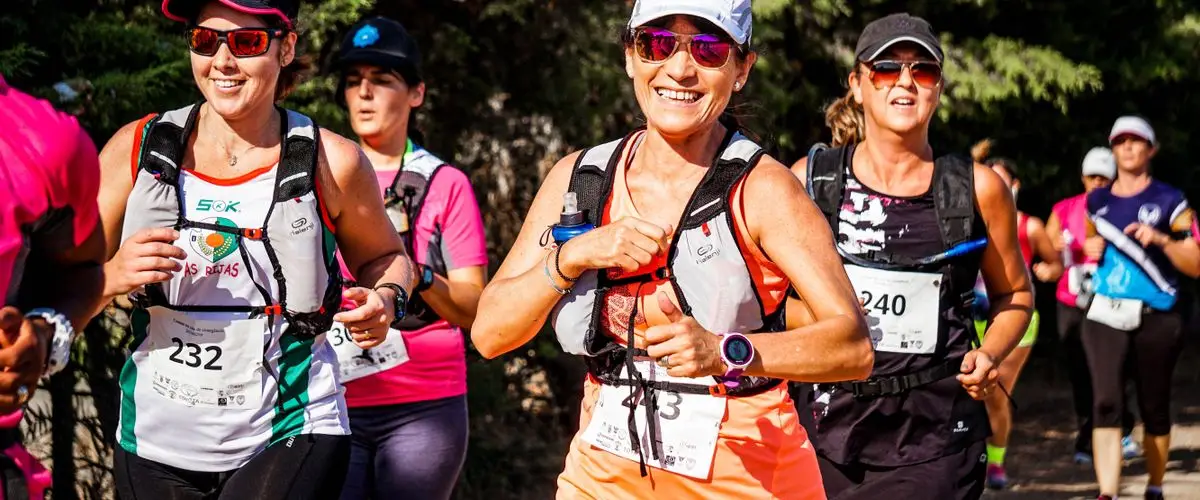
Running has always been seen as an individual sport. You, your shoes and the road. But in recent years, social running has become a global movement. And that is no coincidence: science backs up what group runners already know.
When you run with others, something changes. Not just in your performance, but in your brain, your motivation and your overall well-being. Here are the 7 most important benefits, backed by scientific studies.
A study from the University of Aberdeen found that having an exercise partner increases the amount of physical activity we do. The data is compelling: people who exercise in a group are 95% more likely to stick with their routine than those who go it alone.
The reason is simple: when someone is waiting for you, you show up. It is much harder to cancel a meetup with real people than to hit snooze on your 7:00 AM alarm. Social commitment is the most powerful driver of consistency.
The Kohler effect, documented in sports psychology, shows that people perform better when exercising alongside someone slightly fitter than they are. In running, this translates to hitting paces you would never reach on your own.
It is not about competing. It is a natural, subconscious push. You adapt to the group's pace without forcing it, and over time, what used to be your maximum effort becomes your comfortable pace.
Research from the University of Oxford showed that exercising in a group elevates endorphin production beyond what is generated individually. The conversation, laughter and social distraction make the effort feel lighter.
Many group runners report that the kilometers fly by when they run with company. A 10 km run while chatting feels like 6 km alone in silence.
Running already reduces anxiety and depression on its own. But when you combine it with social interaction, the effect multiplies. A meta-analysis published in the British Journal of Sports Medicine concluded that group exercise has significantly greater mental health benefits than exercising alone.
The combination of exercise endorphins plus the hormones of social connection (oxytocin, serotonin) creates an effect that runners call the group high: a sense of well-being that lasts for hours after the run.
Running in a group is objectively safer. This is especially important for those who run early in the morning, after dark or through less-traveled areas. For women runners, who according to surveys report feeling unsafe running alone in 60% of cases, the group provides a fundamental layer of protection.
Additionally, if someone has a physical issue during the run (dizziness, sprain, dehydration while running), there are people nearby who can help immediately.
In a running group, there is always someone who knows more than you about running form, sports nutrition, injury prevention or training planning. This shared knowledge accelerates your progress for free.
From how to properly lace your shoes to runner nutrition guide before a half marathon, conversations during the run are an endless source of practical learning.
Running together creates genuine bonds. There is something about sharing physical effort that breaks down the usual social barriers. At a running meetup, ages, professions and backgrounds mix, united by a common passion.
Many runners report that their best adult friendships were born in a running group. The post-run beers, trips to races and celebrations of personal goals create a social fabric that goes far beyond sport.
The perfect group is one that fits you: your level, your schedule and your area. Not all groups are the same, and that is a good thing. Here are the factors to consider:
Find your running group
1,100+ runners already train together. Free on iOS.
CorrerJuntos lets you filter by all of these criteria and find free meetups in several cities in Spain. Try the meetups map to find partners compatible with your pace and schedule. It is the easiest way to make the leap from solo running to social running.
Especially if you are a beginner. Running groups are, for the most part, incredibly welcoming to newcomers. Nobody is going to judge you for your pace or distance. On the contrary: experienced runners enjoy helping those who are just starting out.
If you are worried about not being able to keep up, look for meetups labeled as beginner or easy pace. And remember: everyone was a beginner once. The fastest person in the group also had their first day. If you need a guide to get started, check out our complete beginner's guide.
Find your running group. Free meetups for all levels in your city.
Join 1,100+ runners
Routes, training plans and tips to run better. No spam.
We respect your privacy. Unsubscribe anytime.