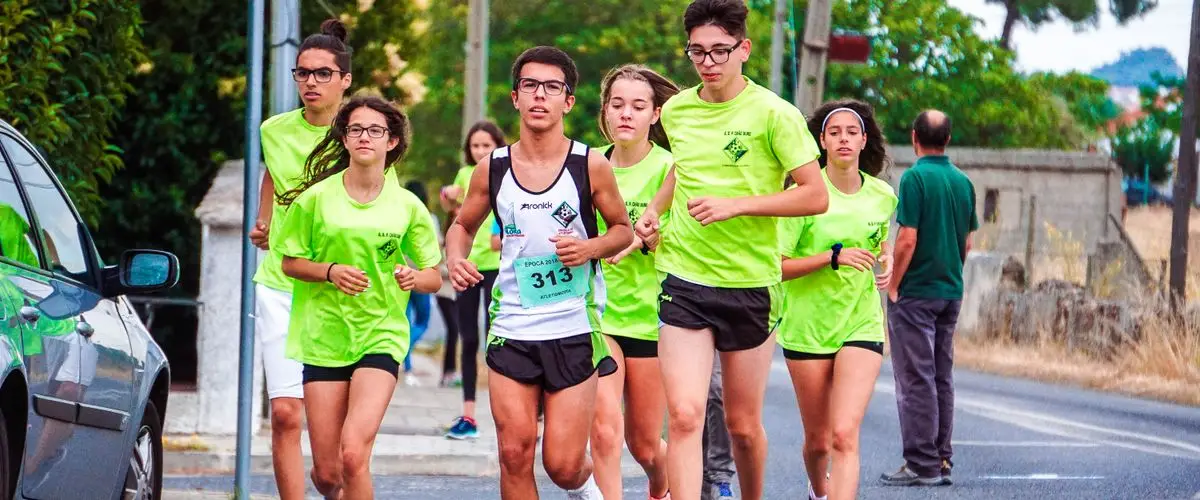
You have been thinking about it for weeks. Maybe you saw a running group in the park and wondered what it would be like to join. Maybe you downloaded an app like CorrerJuntos and browsed meetups near you. Maybe a friend invited you and you keep saying you will go next week (World Athletics).
The truth is, your first running meetup can feel intimidating. Will you be the slowest? Will everyone already know each other? Will they judge your kit? These fears are universal, completely normal, and almost always wrong. Running groups exist precisely to welcome new people, and the vast majority of runners are far more encouraging than you expect.
This guide covers everything you need to know so you can show up confident, have a great run, and want to come back.
What to expect at your first meetup
Every running group has its own personality, but most follow a similar rhythm. Knowing the pattern helps reduce the unknown factor that makes first-timers nervous.
Before the run
Groups typically gather at a designated meeting point 5-10 minutes before the scheduled start. There will usually be brief introductions, especially if the organizer notices new faces. Someone will explain the planned route, distance, and expected pace. Larger groups often split into sub-groups by pace.
This is your moment to introduce yourself. A simple "Hi, it is my first time with this group" works perfectly. Organizers love hearing this because it gives them the chance to make you feel welcome and pair you with the right people.
During the run
The run itself is typically more social than you imagine. Most group runs are done at a conversational pace, especially on weekday evenings and weekend social runs. People chat, laugh, and the kilometers pass faster than they ever do solo. If the group splits by pace, stay with the group that matches your comfortable speed. Do not join the faster group to impress anyone.
Good groups practice a no-drop policy, meaning nobody gets left behind. If you are struggling, say something. Experienced group runners are used to adjusting pace and will be happy to slow down or walk a section with you. There is zero shame in this.
After the run
Many groups have a post-run tradition: coffee, stretching together, or simply chatting for a few minutes before heading home. This social time after the run is where the real connections happen. Even if you are tired, stick around for ten minutes. It transforms the experience from a workout into a community moment.
What to bring
You do not need special gear for a group run. Here is a practical checklist:
- Running shoes: Whatever pair you normally run in. They do not need to be new or expensive. Proper running shoes are the only essential piece of gear.
- Comfortable clothing: Dress for the weather. Moisture-wicking tops and shorts or tights work well. Avoid cotton if possible, as it gets heavy with sweat.
- Charged phone: For safety, navigation, and in case you need to contact anyone. Some groups use apps to track the route in real time.
- Water: A small handheld bottle or hydration vest for runs longer than 30 minutes, especially in warm weather.
- ID and a small amount of cash or card: Just in case. Many post-run coffee stops are a group tradition.
What you do NOT need: A GPS running watch guide, matching kit, energy gels, sunglasses, or any specific brand of anything. Nobody is judging your gear. They are happy you showed up.
Find Runners Near You
Download CorrerJuntos and find your ideal running group today.
How to choose the right group
Not every group will be right for you, and that is perfectly fine. The key is finding one where the pace, vibe, and schedule match your needs. Here are the factors to consider.
Pace and level
This is the most important factor. Ask the organizer about typical paces before showing up. If you run a 7:00 per kilometer pace, a group that averages 5:30 is not a good fit regardless of how friendly they are. Apps like CorrerJuntos let you filter meetups by level, which eliminates this guesswork entirely.
Group size
Small groups of 3-8 people offer more intimate, conversational runs. Larger groups of 15 or more have more energy but can feel impersonal. Both have merit. If you are an introvert or feeling nervous, start with a smaller group where it is easier to get to know people.
Schedule and location
The best group in the world is useless if it meets at a time or place that does not work for you. Choose something convenient. Consistency matters more than perfection. A mediocre group that you attend every week beats an amazing group that you only manage to join once a month.
Atmosphere
Some groups are highly competitive and race-focused. Others are purely social. Some are training-oriented with structured workouts. Check the group's social media or app profile to get a sense of the vibe before committing (ACSM). Ask the organizer directly: what is the typical run like?
Running group etiquette
There are no rigid rules in most running groups, but there is an unspoken etiquette that helps everyone have a good experience. Here are the norms that matter.
- Be punctual: Arriving on time (or a few minutes early) shows respect for the organizer and the other runners. If you are going to be late, message ahead if possible.
- Run at the agreed pace: If the run is described as easy-paced, do not surge ahead. If it is a tempo run, commit to the effort. Going rogue disrupts the group dynamic.
- Do not wear headphones: Group runs are social. Wearing headphones signals that you do not want to talk, which defeats the purpose. Save the podcasts for solo runs.
- Be aware of space: Run two or three abreast maximum on paths. On narrow sections, go single file. Be conscious of other park users, cyclists, and pedestrians.
- Look out for others: If you notice someone struggling, slow down and check on them. If you are the strongest runner, consider hanging back with the slowest at least once. This is how community is built.
- Say thank you: Thank the organizer at the end. Organizing group runs takes real effort and is almost always unpaid. Acknowledgment means more than you think.
Breaking the ice
Runners are naturally social people, but if starting conversations feels daunting, here are some reliable icebreakers that work in any running group.
- "How long have you been running with this group?" This opens a natural conversation about the group's history and personalities.
- "Any races coming up?" Runners love talking about upcoming races. It is the running equivalent of asking about weekend plans.
- "What shoes are those?" Shoe talk is universal among runners. It is never awkward and always generates opinions.
- "Do you have a favorite route around here?" This shows genuine interest and gives you practical local knowledge.
- "I am training for my first [5K/10K/half]. Any tips?" Asking for advice flatters experienced runners and opens a mentoring dynamic that benefits everyone.
The easiest icebreaker of all is simply running next to someone at the same pace and letting conversation happen naturally. After a few hundred meters of shared effort, talking becomes effortless. This is one of the unique benefits of group running (WHO).
Common mistakes to avoid
Most first-meetup mistakes are born from good intentions. Here are the ones to watch out for:
- Starting too fast: Adrenaline and the desire to keep up can push you out too hard. Deliberately start slower than you think you should. You can always speed up later.
- Joining the wrong pace group: Ego is the enemy here. Be honest about your current fitness. Running comfortably with the slower group is infinitely better than struggling at the back of the faster one.
- Giving up after one visit: Your first time will feel awkward. Everyone else seems to know each other. The banter feels like an inside joke you are not part of yet. This is normal. Go back at least three times before deciding a group is not for you.
- Overthinking your gear: Nobody is looking at your shoes, your watch, or your brand of shorts. They are looking at your smile and your willingness to show up.
- Not introducing yourself: Do not lurk at the edges hoping someone approaches you. Walk up to the organizer, say hi, mention it is your first time. That one sentence changes your entire experience.
- Skipping the social after: Rushing off immediately after the run means missing the best part. Even five minutes of post-run chat transforms strangers into acquaintances and acquaintances into friends.
After the meetup: what comes next
You survived your first running meetup. Now what? Here is how to turn a one-time experience into a lasting habit.
Commit to a second visit
Before you leave, confirm when the next meetup is and tell someone you will be there. The social commitment makes it much harder to skip next time. This is the accountability mechanism that makes group running more effective than solo training for consistency.
Connect digitally
Follow the group on social media, join their WhatsApp or Telegram group if they have one, and add people on Strava or CorrerJuntos. Digital connections reinforce real-world ones and keep you in the loop for upcoming meetups, route changes, and social events.
Try multiple groups
If the first group did not feel right, do not conclude that group running is not for you. The problem might be the specific group, not the concept. Try at least two or three different groups before making a judgment. Each has its own chemistry, and you will know when you find the right fit.
Consider organizing your own
If you cannot find a group that fits your schedule, pace, and vibe, create one. You only need one other person to start. Post a meetup on CorrerJuntos, pick a park, set a time, and see who shows up. The best running groups start small and grow organically. Read our guide on finding people to run with for more strategies.
Frequently asked questions
What should I wear to my first running meetup?
Wear whatever you normally run in. There is no dress code. Comfortable running shoes, weather-appropriate clothing, and a charged phone are all you need. Nobody is judging your gear.
What pace should I run at during a group meetup?
Run at a conversational pace. If you can hold a conversation without gasping, you are at the right effort. Most group runs are social and deliberately slower than workout pace. Do not try to impress anyone by running faster than comfortable.
What if I am slower than everyone else?
This worry is very common and rarely plays out in reality. Most groups have runners at all levels and organize sub-groups by pace. Good groups never leave anyone behind. Contact the organizer beforehand to ask about typical paces if you are concerned.
How do I find the right running group for me?
Look for groups that match your pace, schedule, and atmosphere. Try multiple groups before committing. Use apps like CorrerJuntos to filter by level and location. Ask about typical distances and paces before showing up.
Should I go alone to my first running meetup?
Yes, going alone is completely fine and very common. Most people at any running meetup arrived solo at some point. Message the organizer beforehand to introduce yourself and they will make a point of welcoming you when you arrive.