📋 Transparency: This article contains affiliate links to Amazon. If you purchase through them, we receive a small commission at no extra cost to you. This helps us keep CorrerJuntos free. We only recommend products we have tested or thoroughly analyzed.
Carbon plate running shoes have revolutionized competitive running. Since Kipchoge broke the 2-hour marathon barrier in Nike prototypes, every brand has developed their own version with super-reactive foams and rigid plates that improve running economy by 2% to 4% (World Athletics).
In 2026 there are more options than ever: from the iconic Vaporfly to the radical Adios Pro Evo. We've analyzed the 10 best carbon plate shoes on the market to help you choose the one that best fits your level, distance, and budget.
What is a carbon plate and how does it work
- The plate: A rigid carbon fiber sheet embedded in the midsole that acts as a lever, returning energy with each stride and favoring heel-to-toe transition.
- The foam: As important as the plate. The best shoes use super-light, reactive foams (ZoomX, Lightstrike Pro, PEBA) that store and return energy.
- The stack: The midsole height. More stack = more cushioning and more lever effect, but World Athletics limits it to 40mm for official competition.
The 10 best carbon plate shoes in 2026

1. Nike Vaporfly 4 - Most popular
~$275Best for: marathon, half marathon, sub-3:30 marathon runners
- ✓ The most proven racing shoe in the world
- ✓ ZoomX with exceptional bounce
- ✓ 190g, excellent stack-to-weight ratio
- ✗ Premium price ($275)
- ✗ Limited durability (300-400km)
- ✗ Unstable on tight corners
The Vaporfly is the shoe that changed competitive running. Since its first version, it has broken more records than any other shoe in history. Version 4 perfects the formula: ZoomX foam with a full carbon plate, at just 190 grams.
The bounce is immediate and the propulsion feel with each stride is real: you notice the plate pushing you forward. For marathon and half marathon at competitive paces, it remains the reference. The downside is durability: at 300-400km it loses its properties.

2. Adidas Adizero Adios Pro 4 - Best for marathon
~$275Best for: marathon, personal records, elite amateur runners
- ✓ 5 carbon rods for maximum propulsion
- ✓ Ultralight Lightstrike Pro
- ✓ Unique energyRods system
- ✗ Very firm feel, not for everyone
- ✗ Requires fast pace to benefit
- ✗ Peculiar transition
The Adios Pro 4 uses a unique system: instead of a continuous plate, it features 5 carbon rods (energyRods) that mimic the metatarsals of the foot. The result is a more natural propulsion than a rigid plate, and the Lightstrike Pro foam is one of the lightest on the market.
It's the shoe Adidas has used to break world records. It requires pace to benefit: below 4:30/km the rod system comes alive. For slower runners it can feel stiff and unrewarding. If you race marathon and want to go sub-3:15, it's one of the best options (WHO).

3. Hoka Cielo X1 2 - Most cushioned
~$275Best for: marathon with comfort, medium distance, runners who prioritize protection
- ✓ Hoka-style cushioning with carbon plate
- ✓ More stable than Vaporfly
- ✓ Comfortable from the first kilometer
- ✗ Heavier than competition (228g)
- ✗ Less reactive than Vaporfly
- ✗ Not the fastest for short times
If you want a carbon plate but the Vaporfly feels unstable or uncomfortable, the Cielo X1 2 is your shoe. Hoka has combined their maximalist cushioning with a full carbon plate and reactive PEBA foam (Runner's World).
It's the most comfortable carbon plate shoe on the market: generous cushioning, wide base and smooth transition. Not the fastest for a 10K, but for marathon where you need comfort in the final 10km, the Cielo shines. Perfect for runners competing between 3:00 and 4:00 in the marathon.

4. ASICS Metaspeed Sky Tokyo - Most universal
~$300Best for: all race distances with a plate, long-stride runners
- ✓ Only 170g, ultralight
- ✓ Works well across all distances
- ✓ FF Turbo Plus very reactive
- ✗ High price ($300)
- ✗ Narrow last
- ✗ Less cushioning than Vaporfly
The Metaspeed Sky Tokyo weighs just 170 grams and is one of the lightest racing shoes on the market. ASICS designed the Sky for long-stride runners: the plate and FF Turbo Plus foam favor a wide, efficient stride.
It works surprisingly well across all distances, from 5K to marathon. It's less bulky than the Vaporfly, which makes it more agile in pace changes and more stable on corners. If you want a carbon plate shoe that doesn't feel like a platform, the Metaspeed Sky is excellent.
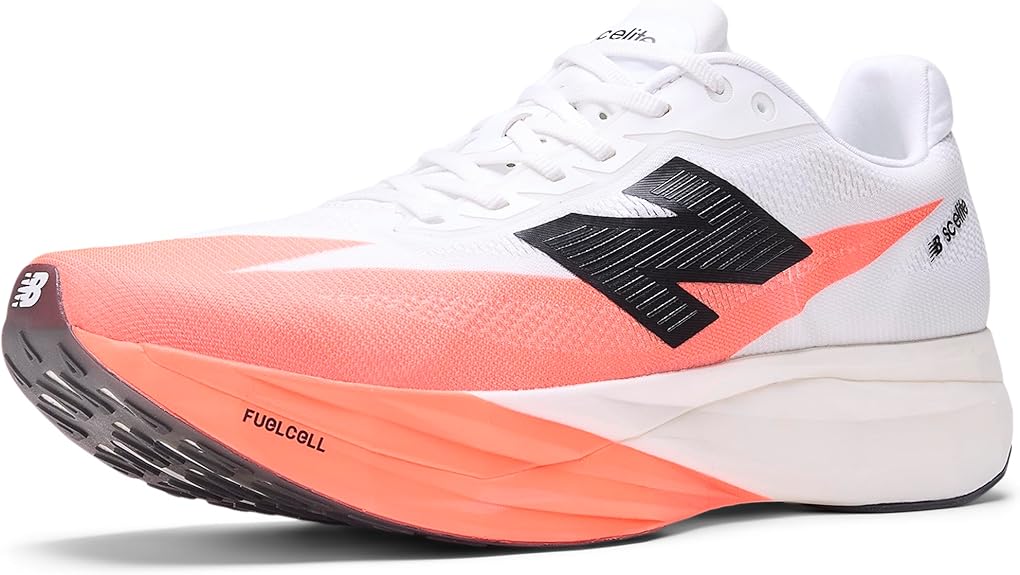
5. New Balance SC Elite v5 - Best propulsion
~$310Best for: half marathon, marathon, runners seeking maximum propulsion
- ✓ Exceptional propulsion, very reactive
- ✓ FuelCell Elite premium foam
- ✓ Good stability for a carbon plate shoe
- ✗ High price ($310)
- ✗ Average durability
- ✗ Slightly heavy vs direct competition
The SC Elite v5 is New Balance's most reactive shoe. The combination of FuelCell Elite foam with a carbon plate generates brutal propulsion: with each toe-off you feel the shoe launching you forward.
It's more stable than the Vaporfly thanks to a wider base, making it a good option for runners who don't feel secure on unstable platforms. For half marathon and marathon at competitive paces, the SC Elite is among the top 3-4 on the market.
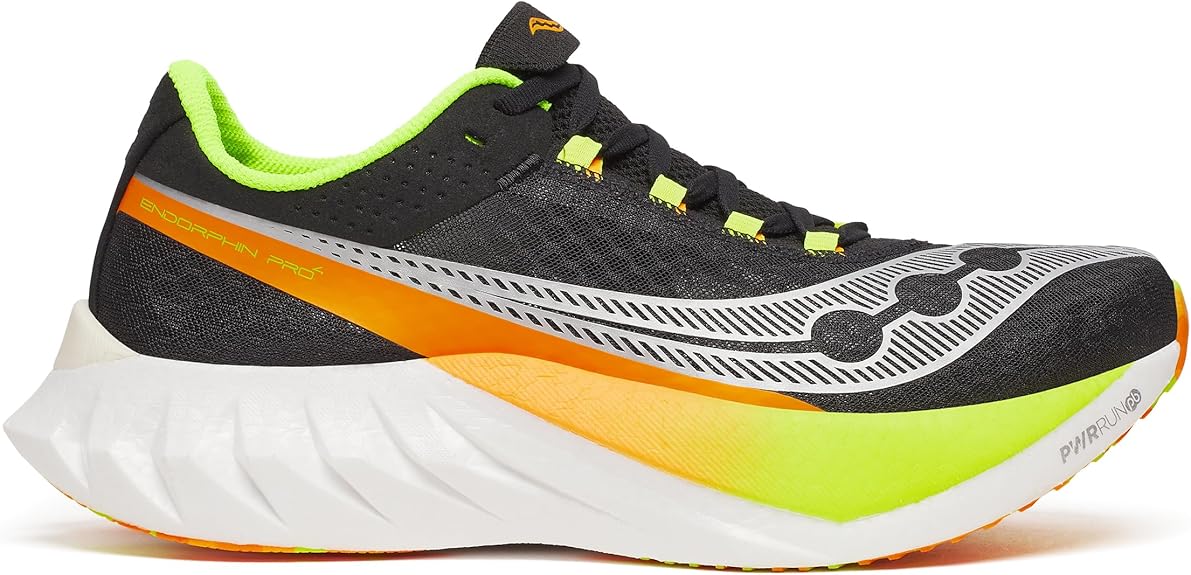
6. Saucony Endorphin Pro 4 - Best transition
~$250Best for: marathon, half marathon, runners who value smooth transition
- ✓ Exceptional heel-to-toe transition
- ✓ More affordable than competition
- ✓ PWRRUN PB reactive and durable
- ✗ Less flashy than Vaporfly
- ✗ Slightly heavier (212g)
- ✗ Conservative design
The Endorphin Pro 4 is the sensible choice in the carbon plate market: it performs almost as well as the Vaporfly but costs $25 less and lasts a bit longer. The PWRRUN PB foam is reactive without being unstable, and the heel-to-toe transition is the smoothest on this list.
It's the shoe we recommend for anyone who wants a high-performance carbon plate without the extreme price of Nike or ASICS. For marathon and half marathon it works excellently, and durability is slightly above average (400-500km).
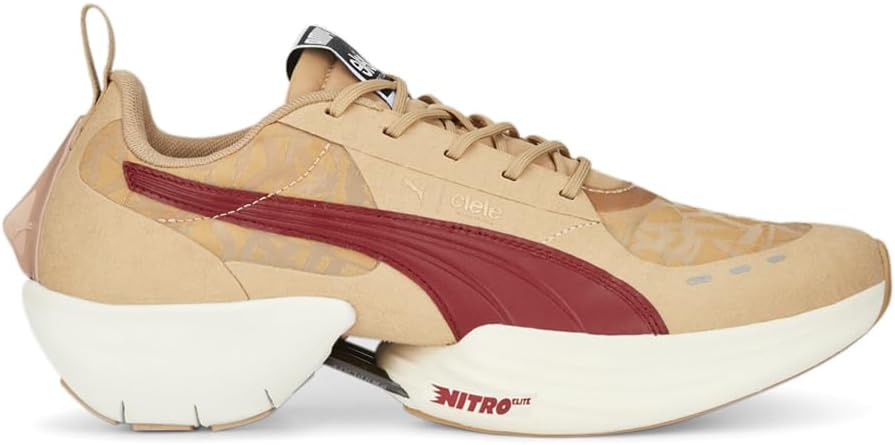
7. Puma Fast-R Nitro Elite 3 - Lightest affordable
~$300Best for: 5K to half marathon, fast runners, short-medium distances
- ✓ Only 170g, ultralight
- ✓ NITRO Elite very reactive
- ✓ Great for short and medium distances
- ✗ Less cushioning for marathon
- ✗ Narrow last
- ✗ Less proven than Nike/Adidas
Puma has burst onto the racing scene with force. The Fast-R Nitro Elite 3 weighs just 170 grams and the NITRO Elite foam delivers impressive bounce. It's a shoe designed for pure speed at distances from 5K to half marathon.
For marathon it may fall short on cushioning if you go over 3 hours, but for shorter races where lightness trumps protection, it's brutal. Puma has proven it can compete with Nike and Adidas at the highest level.

8. Hoka Rocket X3 - Most versatile
~$275Best for: quality workouts + racing, dual rotation, versatility
- ✓ Works for training and racing
- ✓ More durable than pure racing shoes
- ✓ Good value
- ✗ Not the fastest for pure racing
- ✗ Compromise in everything, excellence in nothing
- ✗ Slightly heavy for pure racing
The Rocket X3 is the most versatile carbon plate shoe on this list. Unlike the others, it's not just for racing: you can use it for quality workouts (intervals, tempo runs) and also for races, without feeling like you're wearing down a $275 shoe.
The PEBA foam with carbon plate combination offers enough reactivity for racing, but the cushioning and durability allow you to train in it too. If you can only afford one carbon plate shoe and want to use it for everything, the Rocket X3 is your best bet (ACSM).

9. Brooks Hyperion Elite 5 - Most balanced
~$300Best for: marathon, runners seeking speed-comfort balance
- ✓ Perfect balance between speed and comfort
- ✓ DNA Flash reactive and stable
- ✓ 195g, competitive weight
- ✗ Less explosive than Vaporfly
- ✗ Less prestigious brand for racing
- ✗ Hard to find in stores
Brooks isn't usually the first brand you think of for racing, but the Hyperion Elite 5 deserves attention. The DNA Flash foam combines lightness with stability, and the carbon plate provides propulsion without the instability of more aggressive platforms.
It's the most balanced carbon plate shoe: not the fastest or the most comfortable, but it does both very well. For marathon runners who want to improve times without sacrificing stability, the Hyperion Elite is an excellent and somewhat underrated option.

10. Adidas Adios Pro Evo 2 - Most radical (elite)
~$550Best for: elite runners, personal records, single target races
- ✓ Only 125g, lightest on the market
- ✓ Designed for world records
- ✓ Feels like wearing nothing
- ✗ $550 price tag
- ✗ Lasts only 1-2 races
- ✗ Only for very fast runners (sub-3:00)
The Adios Pro Evo 2 is the most radical and extreme shoe on this list. At just 125 grams, it's the lightest running shoe ever created. Adidas designed it for one thing: breaking world records. And it has succeeded.
But everything has a cost: $550 and durability of 1-2 races. It's not a training shoe, not even for all your races. It's for that target race where you want to give everything. If you're a sub-3:00 marathon runner and want the purest carbon plate experience, the Evo 2 is untouchable. For 95% of runners, the other 9 shoes on this list are a better investment.
Quick comparison table
| Model | Weight | Drop | Price | Best for |
|---|---|---|---|---|
| Nike Vaporfly 4 | 190g | 8mm | ~$275 | Most popular, marathon |
| Adidas Adios Pro 4 | 200g | 6mm | ~$275 | Marathon, elite amateur |
| Hoka Cielo X1 2 | 228g | 8mm | ~$275 | Cushioning + carbon |
| ASICS Metaspeed Sky | 170g | 5mm | ~$300 | Universal, ultralight |
| NB SC Elite v5 | 214g | 8mm | ~$310 | Maximum propulsion |
| Saucony Endorphin Pro 4 | 212g | 8mm | ~$250 | Transition, value |
| Puma Fast-R Elite 3 | 170g | 8mm | ~$300 | 5K-half, lightweight |
| Hoka Rocket X3 | 227g | 7mm | ~$275 | Versatile, training+racing |
| Brooks Hyperion Elite 5 | 195g | 8mm | ~$300 | Balanced |
| Adidas Pro Evo 2 | 125g | 3mm | ~$550 | Elite, records |
Quick summary: which to buy
- My first carbon plate shoe: Saucony Endorphin Pro 4 or Hoka Cielo X1 2
- Marathon sub-3:30: Nike Vaporfly 4 or Adidas Adios Pro 4
- Fast half marathon: ASICS Metaspeed Sky or Puma Fast-R Elite 3
- One shoe for everything: Hoka Rocket X3
- Maximum propulsion: New Balance SC Elite v5
- Unlimited budget, elite: Adidas Adios Pro Evo 2
Frequently asked questions about carbon plate shoes
Are carbon plate shoes only for elite runners?
No. Any runner who races can benefit from a carbon plate, regardless of pace. The 2-4% improvement applies at all levels: if you run a 4-hour marathon, you could run 3:52-3:55. That said, the price ($250-310) and limited durability (300-400km) mean they're only worth it if you race regularly.
Find your running with a group
1,100+ runners already train together. Free on iOS.
How long do carbon plate shoes last?
Between 300 and 400 kilometers for most models. The foam loses reactivity before the plate, which technically doesn't break. Some runners reserve them exclusively for racing: this way a pair can last 2-3 seasons. The exception is the Adidas Pro Evo 2, which lasts only 1-2 races.
Can I train in carbon plate shoes?
You can, but it's not the smartest choice. Training in carbon plate shoes quickly wears down expensive, limited-durability shoes. Better to save them for races and use daily trainers for everyday running. The Hoka Rocket X3 is the exception: it's designed for both training and racing.
Can carbon plates cause injuries?
There's no evidence that carbon plates cause injuries. However, the increased midsole stiffness can change your foot strike pattern, which requires adaptation. We recommend using carbon plate shoes gradually: first in quality workouts, then in races. If you have Achilles tendon issues, consult your physio first.
What's the difference between carbon and nylon plates?
Carbon fiber is stiffer and lighter than nylon. Shoes with nylon plates (like the Saucony Endorphin Speed) offer some lever effect but less propulsion than carbon. Nylon plate shoes are more affordable and durable, and are a good middle ground between conventional shoes and pure racing shoes.
Is it worth spending $275+ on racing shoes?
If you race regularly and want to improve your times, yes. The 2-4% improvement in running economy is scientifically proven. For a 3:30 marathon runner, that's 4-8 minutes. If you only run for health or fun without racing, that money is better spent on good daily trainers.