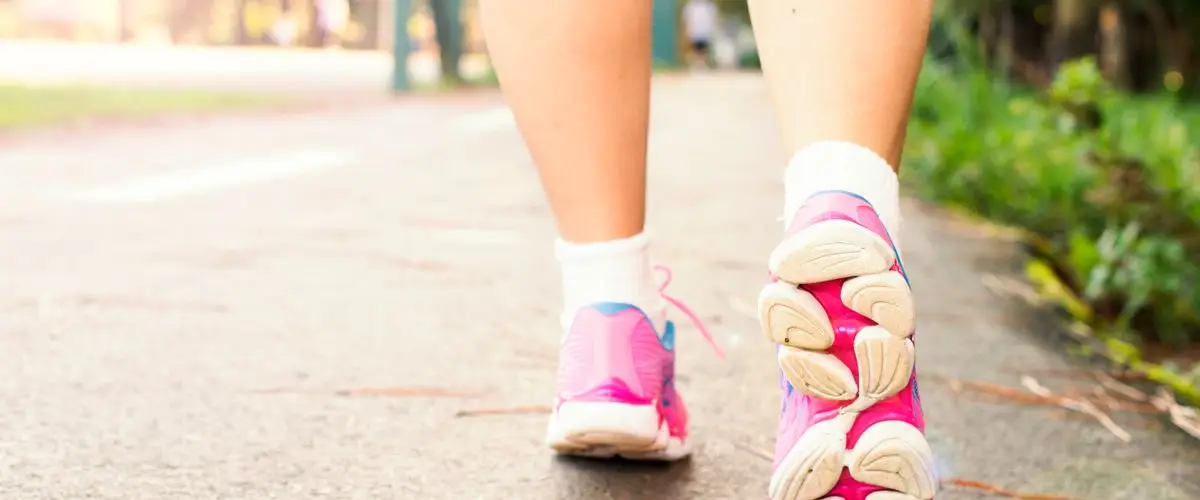
Choosing road running shoes is the most important gear decision you make as a runner. The right pair protects your joints, improves your performance and makes running more comfortable. The wrong pair can lead to injuries, blisters and aches that keep you off the road (World Athletics).
In 2026 the choice is overwhelming: every brand has 15-20 models and all of them claim to be revolutionary. This guide cuts to the chase: 10 tested shoes, organized by runner type, with pros, cons and real-world prices.
How to choose: what to look for based on your level
- Beginner (0-20 km/week): Generous cushioning, stability, comfort from day one. You don't need lightweight or reactive shoes. Prioritize protection.
- Intermediate (20-50 km/week): Good balance between cushioning and responsiveness. Durability matters because you're stacking up kilometers. Versatile shoes that work for easy runs and tempo sessions alike.
- Advanced (50+ km/week): Shoe rotation (one pair for easy runs, another for speed work/racing). You're looking for responsiveness, light weight and a shoe that returns energy with every stride.
The 10 best road running shoes in 2026

1. Hoka Clifton 9 - Best all-rounder
~140 EURBest for: all levels, daily runs, runners who prioritize comfort
The Clifton 9 is Hoka's best-selling shoe for a reason: it is incredibly comfortable, light for the amount of cushioning it offers and works for any type of runner. The compressed EVA midsole absorbs impact without feeling mushy or unstable (Runner's World).
This is the shoe we recommend to anyone who asks us "which one should I buy?" It works for beginners who need protection and for advanced runners who want a cushy easy day shoe. The outsole lasts over 700 km. Hard to find anything better at this price.
Purchase link temporarily removed. Destination pending verification.

2. Nike Pegasus 41 - The classic that never fails
~130 EURBest for: intermediate runners, easy runs and tempos, first pair of running shoes
The Nike Pegasus has been the benchmark running shoe for over 40 versions. Version 41 combines React foam with Zoom Air units in the heel and forefoot for a ride that feels both responsive and cushioned at the same time.
It is the most versatile shoe on this list: it handles easy runs, tempo sessions and your first 10K race with ease. The Flyknit upper adapts well to the foot and the Waffle outsole offers good grip on wet asphalt. A classic for good reason.

3. ASICS Gel-Nimbus 26 - Maximum cushioning
~180 EURBest for: heavier runners, long runs, anyone seeking maximum protection
The Nimbus is the benchmark for maximum cushioning from ASICS. Version 26 uses FF Blast Plus Eco foam throughout the midsole plus Gel inserts in the heel and forefoot. The result is a soft, well-protected ride on every kilometer.
This is the shoe we recommend for runners over 80-85 kg or anyone doing long runs of 20+ km where cushioning makes the difference between enjoying and suffering. The knit upper is very comfortable and well-ventilated.

4. New Balance Fresh Foam X 1080v14 - Premium comfort
~170 EURBest for: wide feet, daily runs, runners who prioritize comfort
The New Balance 1080 is one of the most comfortable shoes you can put on. The Fresh Foam X midsole is soft yet delivers enough energy return to avoid feeling dead. The upper has extra width, making it perfect for wide feet.
The outsole provides good grip and durability. It is a premium shoe in every sense: materials, finish and ride feel. If you find the Nimbus too soft, the 1080 offers a touch more firmness while maintaining generous cushioning.

5. Brooks Ghost 16 - Total reliability
~135 EURBest for: beginners, smooth transitions, daily runs
The Brooks Ghost is the shoe most often prescribed by specialty running shops to new runners, and for good reason. The DNA Loft v2 foam offers balanced cushioning that is neither too soft nor too firm. The heel-to-toe transition is smooth and natural.
It is a "no surprises" shoe: from day one you know exactly what it will deliver. Excellent durability (800+ km easily), good grip and an upper that breathes well. If you want something reliable and fuss-free, the Ghost is your shoe.
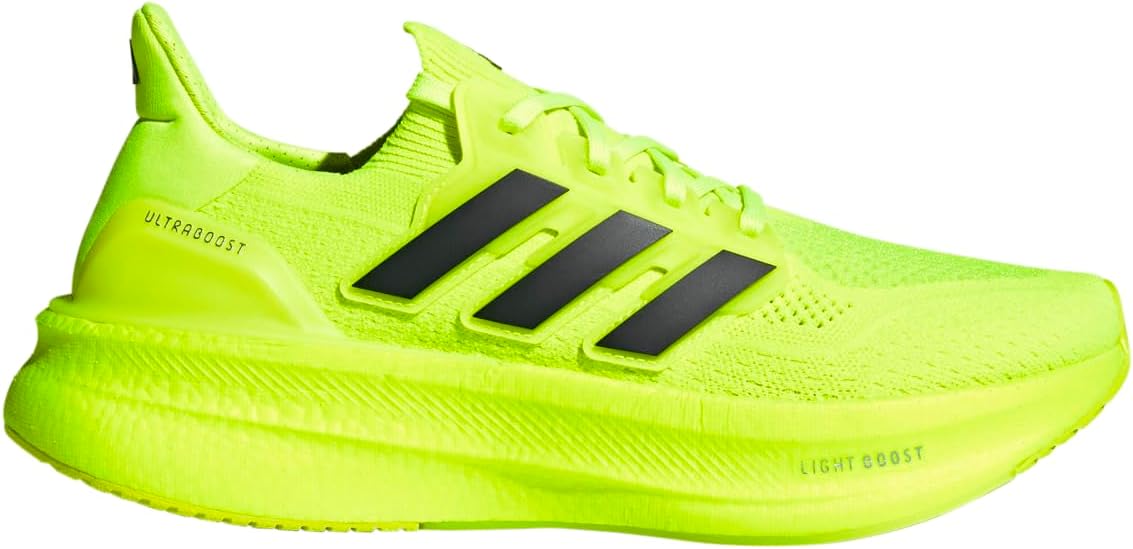
6. Adidas Ultraboost Light - Style meets performance
~180 EURBest for: mixed running/casual use, urban runners, design-conscious runners
The Ultraboost Light combines Adidas's iconic Boost cushioning with a lightweight Primeknit+ upper. It is the shoe that works best for someone who wants to run and then wear it with jeans. The midsole is responsive and comfortable for runs up to 15 km.
It is not the most technical shoe on this list, but for a recreational runner who runs 3-4 times a week and values design, it is hard to beat. The Continental rubber outsole offers excellent wet-weather grip.

7. Saucony Ride 17 - The most balanced
~140 EURBest for: intermediate runners, daily training, anyone who wants an all-in-one shoe
The Saucony Ride is one of the most underrated shoes on the market. The PWRRUN+ foam strikes a perfect balance between cushioning and responsiveness: not too soft for easy runs, not too firm when you want to pick up the pace.
The 8 mm drop is a sweet spot that suits almost every foot strike. Durability is excellent and the price is very competitive for what it delivers. If you're unsure what to buy and want a shoe that does everything well, the Ride 17 is a safe bet.

8. Hoka Bondi 8 - Maximum Hoka cushioning
~160 EURBest for: heavier runners, active recovery, runners with knee issues
The Bondi 8 is the Clifton's big sibling: more cushioning, more protection, more midsole volume. It is Hoka's most padded shoe and one of the most cushioned on the entire market. Every step feels like walking on a cloud.
It is heavier than the Clifton and less agile, but for easy runs, active recovery days or runners with joint problems, it is superb. Check out our Clifton 9 vs Bondi 8 comparison to decide between the two.

9. Nike Vomero 18 - Nike's premium daily trainer
~160 EURBest for: intermediate-to-advanced runners, long runs, anyone who wants ZoomX
The Vomero 18 is a step up from the Pegasus: it uses ZoomX foam (the same as the Vaporfly, Nike's racing shoe) on a wider, more stable platform. The result is a premium shoe with superior bounce and reactivity.
For long runs at a moderate-to-fast pace, the Vomero is fantastic. It is not as versatile as the Pegasus (too soft for short intervals), but for its intended purpose it is among the best on the market. If your budget stretches to it, it is worth the upgrade over the Pegasus.

10. ASICS GT-2000 12 - Best stability shoe
~140 EURBest for: overpronators, runners who need extra support, beginners
If you overpronate or simply want a shoe with extra support that doesn't feel rigid, the GT-2000 12 is the best option in 2026. The Litetruss technology on the medial side gently corrects overpronation without feeling like an orthopedic device (ASICS).
The FF Blast Plus cushioning is comfortable and responsive. It is a shoe that works for any distance, from 5K to marathon. Highly recommended if you have a history of ankle or knee injuries and your physiotherapist has suggested some medial support.
Quick comparison table
| Model | Weight | Drop | Price | Best for |
|---|---|---|---|---|
| Hoka Clifton 9 | 248 g | 5 mm | ~140 EUR | All-rounder, all levels |
| Nike Pegasus 41 | 266 g | 10 mm | ~130 EUR | Versatility, first pair |
| ASICS Nimbus 26 | 290 g | 8 mm | ~180 EUR | Maximum cushioning |
| NB 1080v14 | 280 g | 6 mm | ~170 EUR | Wide feet, comfort |
| Brooks Ghost 16 | 278 g | 12 mm | ~135 EUR | Beginners, reliability |
| Adidas Ultraboost | 285 g | 10 mm | ~180 EUR | Running + casual |
| Saucony Ride 17 | 272 g | 8 mm | ~140 EUR | All-round balance |
| Hoka Bondi 8 | 307 g | 4 mm | ~160 EUR | Maximum cushioning |
| Nike Vomero 18 | 275 g | 10 mm | ~160 EUR | Premium long runs |
| ASICS GT-2000 12 | 280 g | 8 mm | ~140 EUR | Overpronators, stability |
Quick summary: which one to buy
- I'm new to running, first shoe ever: Hoka Clifton 9 or Brooks Ghost 16
- I want something versatile and affordable: Nike Pegasus 41 or Saucony Ride 17
- I weigh over 80 kg: ASICS Gel-Nimbus 26 or Hoka Bondi 8
- I have wide feet: New Balance 1080v14
- I'm an overpronator: ASICS GT-2000 12
- I want premium and price is no issue: Nike Vomero 18
If you're a beginner and want a more focused guide, read our article on running shoes for beginners. For all models with updated prices, visit our running shoes section. You may also be interested in our technical running clothing guide and the complete running clothing section to round out your gear.
Find your running with a group
1,100+ runners already train together. Free on iOS.
👟 More running shoe guides
Frequently asked questions about running shoes
How often should you replace running shoes?
The general rule is every 600-800 kilometers, although it depends on the model, your weight, your running form and the surface. Signs it's time to replace them: the midsole loses its bounce, the outsole is worn unevenly or you start noticing aches that weren't there before.
Do I need different shoes for training and racing?
If you run fewer than 4 times a week or don't race, a single pair of daily trainers (like the ones on this list) is enough. If you race and want to improve your times, adding a lightweight racing shoe can make a difference, but it's not essential (ACSM).
What is the difference between road and trail running shoes?
Road running shoes have a smooth outsole optimized for grip on hard surfaces and a midsole with plenty of cushioning. Trail shoes have lugs on the outsole for dirt and rocks, rock protection and tend to be more rigid. Using road shoes on mountain trails is slippery and dangerous.
How much do good running shoes cost?
Good road running shoes cost between 120 and 180 euros at retail price. Mid-range models like the Nike Pegasus or the Saucony Ride are around 130-140 euros. Premium options like the ASICS Nimbus or Nike Vomero go up to 160-180 euros. Waiting for sales or buying the previous version can save you 30-40% without sacrificing quality.
Can I run in walking shoes?
It's not recommended. Walking shoes (casual or lifestyle) don't have the cushioning, support or structure needed to absorb the repeated impact of running. Running in them increases the risk of injuries to your knees, ankles and back. If you're starting to run, invest in a basic pair of running shoes; your body will thank you.
What is drop in running shoes?
Drop is the height difference between the heel and the forefoot of the shoe, measured in millimeters. A high drop (10-12 mm) suits heel strikers, while a low drop (0-6 mm) is preferred by midfoot or forefoot strikers. Most popular running shoes have a drop of 6-10 mm, which works well for the majority of runners.
Are racing shoes worth it?
It depends on your level and goals. Racing shoes with a carbon plate (like the Nike Vaporfly or Adidas Adizero Adios Pro) improve performance by 2-4%, but they cost 250+ euros and only last 300-400 km. If you race and want to lower your times, they can be worth the investment. If you only run for enjoyment or health, they're not necessary (WHO).