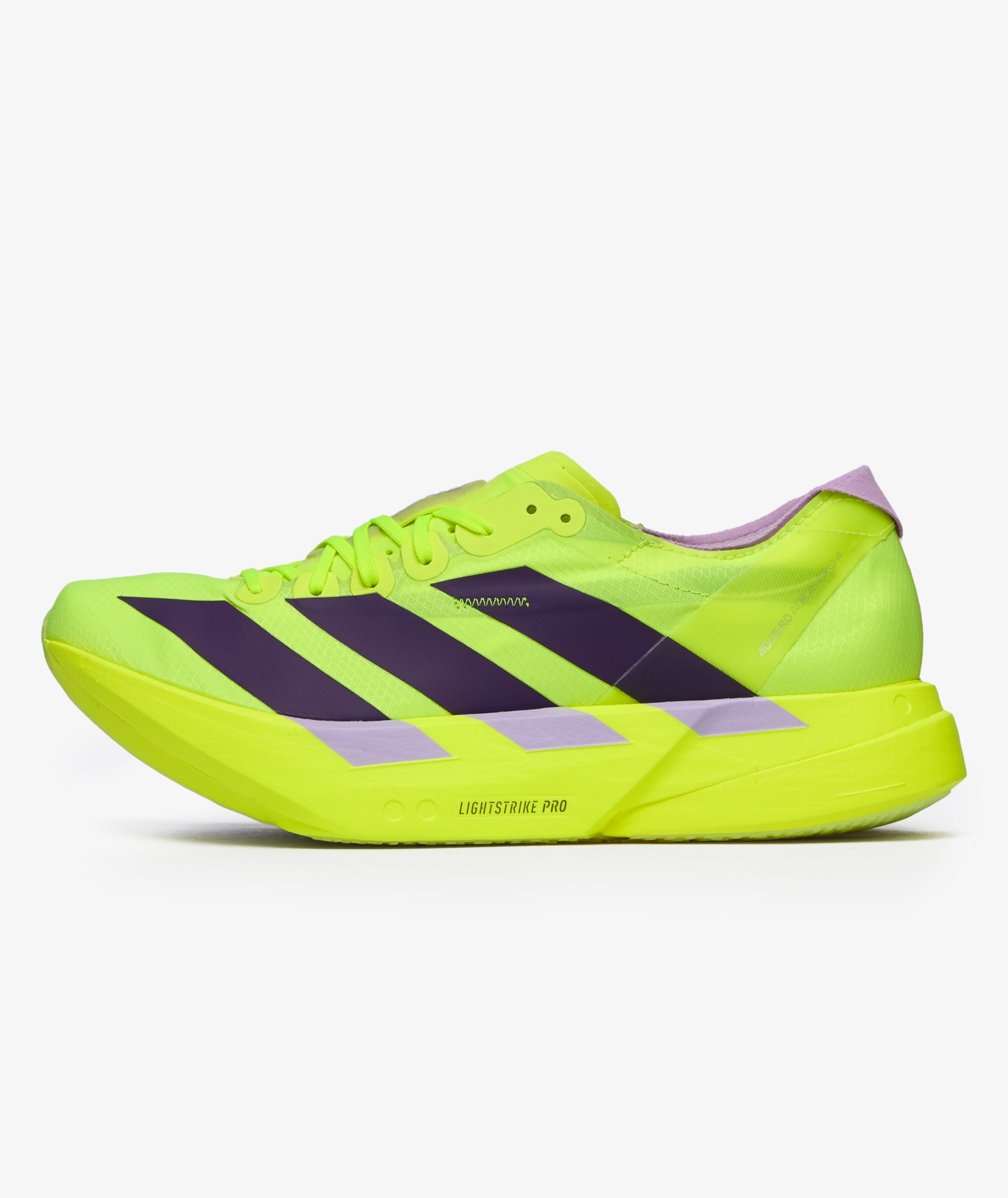
Best Half Marathon Shoes 2026 [Tested by Runners]
We analyzed the top racing and training shoes for 21K on real courses. Here are our picks for every budget and goal time.
We analyzed the top racing and training shoes for 21K on real courses. Here are our picks for every budget and goal time.
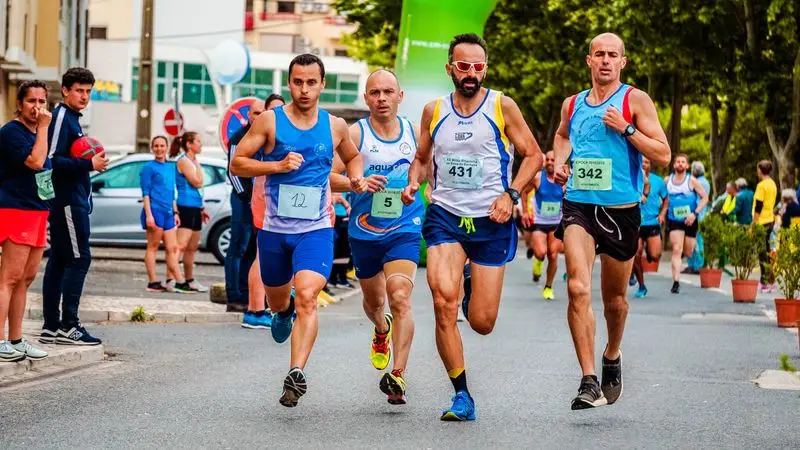
A half marathon sits in a unique sweet spot: long enough that cushioning and comfort matter significantly, but short enough that speed and responsiveness still play a major role. The ideal shoe balances these competing demands based on your goal time and racing experience.
For sub-1:30 runners, a lightweight carbon-plated racer provides measurable advantages. For 1:30 to 2:00 runners, a responsive training shoe or tempo shoe hits the sweet spot of speed and protection. For runners finishing over 2 hours, comfort and cushioning should take priority over marginal speed gains. The shoe that keeps you running strong at kilometer 18 is worth more than one that feels fast at kilometer 3 but leaves your feet aching by kilometer 15.
Before choosing a race shoe, make sure you understand the fundamentals. Our running shoe buyer's guide covers everything from pronation to fit. The shoe drop guide is also relevant since racing shoes tend toward lower drops.
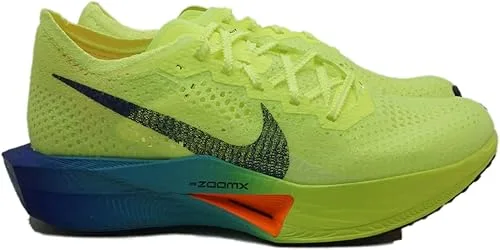
The shoe that started the super shoe revolution. ZoomX foam delivers exceptional energy return, while the full-length carbon plate creates a snappy, propulsive feel. At 196g, it is extremely light. The fit runs narrow, so runners with wider feet may need to size up. Best suited for sub-1:45 runners who want maximum racing advantage. Drop: 8mm. Price: around 260 dollars. Durability: approximately 250-300 miles.
Check price on Amazon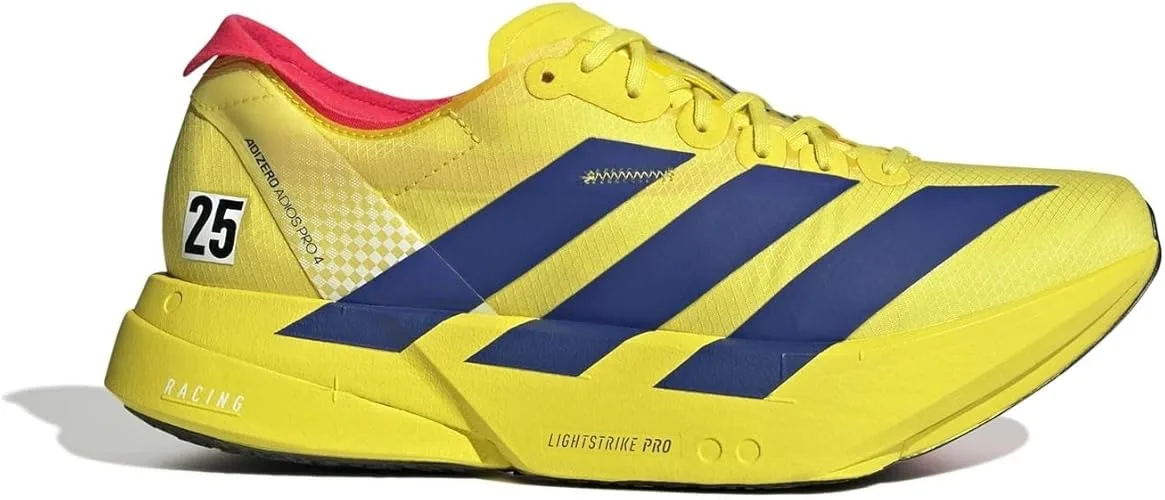
Adidas answered the Vaporfly with Lightstrike Pro foam and a carbon-fiber EnergyRod system. The ride is slightly more stable than the Vaporfly, making it a better choice for runners who find the Nike too tippy. It handles well on wet roads thanks to the Continental rubber outsole. Drop: 7mm. Weight: 215g. Price: around 250 dollars. Best for: runners who want carbon-plate performance with added stability.
Check price on AmazonThe most accessible carbon-plated racer in terms of both price and ride feel. PWRRUN PB foam is responsive without being harsh, and the SPEEDROLL rocker creates a smooth, forward-rolling stride. The wider toe box fits more foot shapes than the Vaporfly. Drop: 8mm. Weight: 210g. Price: around 225 dollars. Best for: runners wanting a forgiving carbon-plated shoe for their first racing experience.
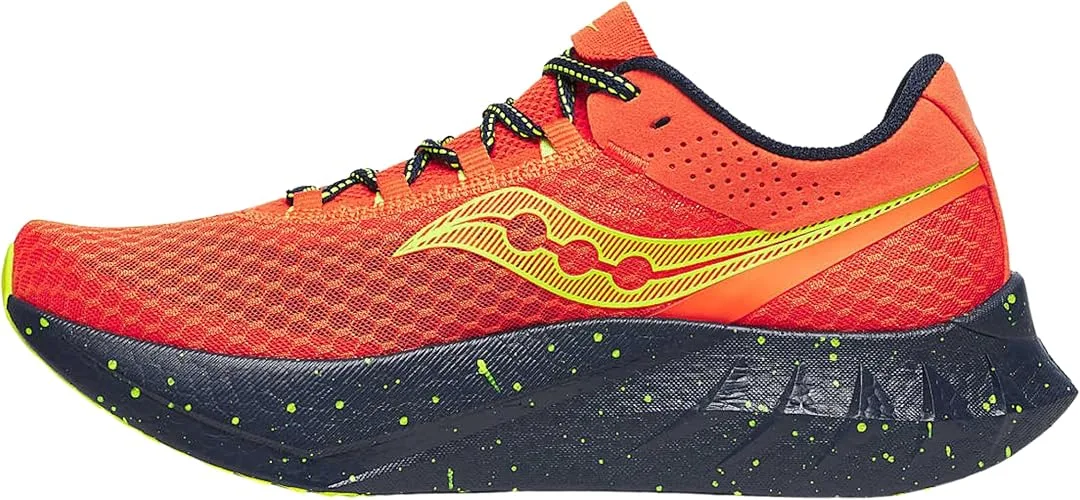
The Speed replaces the carbon plate with a nylon plate, giving a propulsive feel without the premium price. It is versatile enough for tempo runs, race-pace training, and race day itself. The ride is livelier than a daily trainer but more forgiving than a full race shoe. This is arguably the best value in the running shoe market right now. Drop: 8mm. Weight: 225g. Price: around 170 dollars.
Check price on AmazonFind your running with a group
1,100+ runners already train together. Free on iOS.
Not a racing shoe, but a supremely reliable option for half marathon runners who prioritize comfort over speed. Thousands of runners have completed half marathons in the Pegasus, and the latest version's React foam handles the distance well. If you train in it, you know exactly what to expect on race day. Drop: 10mm. Weight: 280g. Price: around 130 dollars. See our full neutral shoes guide for alternatives.
The cardinal rule for first-time half marathon runners is this: race in a shoe you have already put at least 100 km of training in. Race day is not the time to discover a hotspot on your arch or a toe box that is slightly too narrow. Your training shoe, the one your feet know and trust, is your best bet for a successful first race. Check how long your shoes last to make sure they still have life left for race day.
If you want to race in a dedicated shoe, introduce it into your training at least 6 weeks before race day. Run your tempo sessions and race-pace workouts in it. By race day, you should have completed at least 4-5 runs, including one long run of 15+ km, in the race shoe. This gives your feet and legs time to adapt to the different cushioning, drop, and weight.
Lock your laces properly before the start. The runner's loop (threading laces through the top eyelet to create a heel lock) prevents foot slippage and keeps your heel secure over the full distance. Make sure laces are snug but not tight enough to restrict blood flow. A common mistake is over-tightening laces at the start line when adrenaline is high and feet are not yet swollen. For general shoe selection advice, our best road shoes guide covers all bases.
If race day brings rain, accept that your feet will get wet. Vaseline between the toes and on known friction points reduces blister risk. Avoid waterproof shoes for racing; they trap water inside once it enters, making the problem worse. Breathable mesh uppers allow drainage and dry faster during the run.
After the race, remove insoles, loosen laces, and let shoes air dry at room temperature. If they are muddy or soaked, stuff them with newspaper. Do not put them in the dryer. Your race shoes still have life in them for training, even if you want a fresh pair for your next race. Consider rotating them into your regular training rotation for speed work.

Not necessarily. Carbon-plated shoes provide 2-4% performance gains, but for recreational runners finishing over 2 hours, a well-cushioned daily trainer often provides better comfort and value.
Choose a well-cushioned daily trainer you have already trained in. Comfort and familiarity matter more than marginal speed gains from new racing shoes.
If targeting a specific time goal, yes. Train in durable daily trainers and save lighter, responsive racing shoes for race day and key workouts.
Carbon-plated shoes can improve running economy by 2-4%, translating to roughly 2-4 minutes over a half marathon. The benefit varies by individual and diminishes at slower paces.
Complete at least 3-4 runs of 8-15 km in your race shoes before race day. Two to three weeks before the race is ideal for the first test run.
For sub-1:45 runners, lighter shoes make sense. For 2+ hour runners, extra cushioning from a slightly heavier shoe may prevent late-race fatigue and provide better overall performance.
Find running groups training for your next half marathon. Free, no commitment.
Join 1,100+ runners
Routes, training plans and tips to run better. No spam.
We respect your privacy. Unsubscribe anytime.