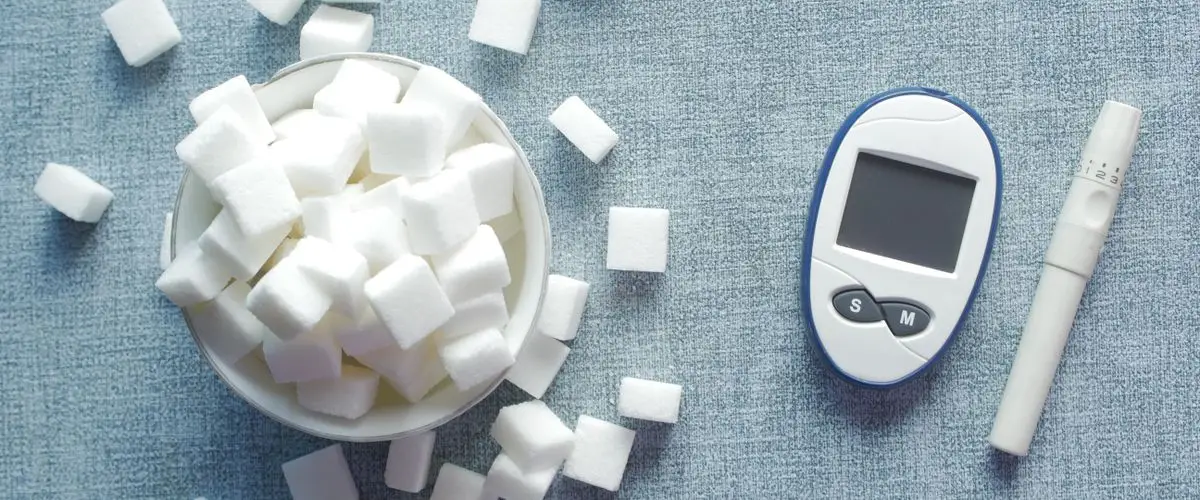
Diabetes affects more than 530 million adults worldwide, and that number keeps growing. But a diabetes diagnosis—whether type 1 or type 2—does not mean giving up running. Quite the opposite: running is one of the most powerful tools for improving glycemic control, with proven mental health benefits as well, reducing insulin resistance, and enhancing quality of life.
This guide is designed for runners with diabetes who want to train safely and effectively. We cover everything from the basic science to practical glucose management protocols before, during, and after running, adapted training plans, and CGM technology integrated with GPS watches.
Important: this guide is informational and does not replace medical advice. Always consult your endocrinologist before starting or modifying an exercise program.
Running and diabetes: what the science says
The relationship between aerobic exercise and diabetes is supported by decades of scientific research. The American Diabetes Association (ADA) recommends at least 150 minutes per week of moderate-to-vigorous physical activity for adults with diabetes, and running meets that criterion excellently (Colberg SR et al., Diabetes Care, 2016).

The specific benefits of running for people with diabetes include:
- HbA1c reduction: Studies show an average decrease of 0.5–0.7% with structured regular exercise, comparable to the effect of many oral medications (Boulé NG et al., JAMA, 2001).
- Improved insulin sensitivity: A single running session can improve muscle glucose uptake for 24–48 hours. The effect is cumulative with regular training.
- Reduced cardiovascular risk: Diabetes multiplies cardiovascular disease risk by 2–4 times. Aerobic exercise lowers blood pressure, improves lipid profiles, and strengthens the heart.
- Weight management: Insulin resistance is directly linked to excess visceral fat. Running is one of the highest calorie-burning exercises per minute. Learn what to eat before running to optimize your sessions.
- Psychological benefits: Diabetes carries a significant emotional burden. Running releases endorphins, reduces stress, and improves self-esteem. Consider finding a running group for extra motivation and accountability.
Dr. Antonio Fernández, a sports endocrinologist in Barcelona, puts it this way: “Running is probably the best medicine for type 2 diabetes. My patients who run 3 times a week reduce their HbA1c more than with any oral medication alone.”
Key differences: Type 1 vs Type 2
Although both types of diabetes affect glucose metabolism, the considerations for running are very different. Understanding these differences is fundamental for safe training.
| Aspect | Type 1 Diabetes | Type 2 Diabetes |
|---|---|---|
| Cause | Autoimmune: the pancreas produces no insulin | Insulin resistance + progressive deficit |
| Base treatment | Injected insulin or insulin pump | Diet, exercise, oral medications and/or insulin |
| Main risk while running | Severe hypoglycemia | Hypoglycemia (if taking sulfonylureas or insulin) |
| Medication adjustment | Reduce basal/bolus insulin before running | Consult doctor about medication adjustments |
| Running benefit | Better glycemic control, dose reduction | Can reduce or eliminate oral medication |
| Monitoring | CGM essential, check every 20–30 min | CGM recommended, capillary glucose before/after |
| Competition | Possible at elite level (Olympic athletes with T1D exist) | Possible at any level |
Type 1 diabetes requires active insulin management before, during, and after each running session. The risk of hypoglycemia is real and potentially serious. However, with proper planning and solid injury prevention, type 1 runners compete in marathons, ultra-trails, and even Ironman triathlons.
Type 2 diabetes benefits enormously from aerobic exercise. In many cases, a consistent running program can reduce the need for medication. The risk of hypoglycemia is lower unless the patient takes sulfonylureas or insulin.
Blood glucose before running
The pre-run period is critical for safety. An expert consensus published in The Lancet Diabetes & Endocrinology establishes the following recommendations for runners with type 1 diabetes (Riddell MC et al., 2017):
Safe glucose ranges for training
- 100–180 mg/dL (5.6–10 mmol/L): Optimal range. You can start running without adjustments.
- 180–250 mg/dL (10–13.9 mmol/L): Acceptable for moderate exercise. Do not take additional carbohydrates. Monitor frequently.
- <100 mg/dL (<5.6 mmol/L): Too low. Take 15–20 g of fast-acting carbs (glucose gel, juice) and wait 15 minutes. Check again before heading out.
- >250 mg/dL (>13.9 mmol/L): Too high. Check for ketones (especially in type 1). If ketones are present, do not exercise. If no ketones, light exercise with monitoring.
Continuous glucose monitoring (CGM)
A CGM sensor (such as Dexcom G7 or FreeStyle Libre 3) is the most valuable tool for a runner with diabetes. It allows you to:
- See your glucose in real time during the run (on your watch or phone).
- Identify trends: if glucose is dropping rapidly, you can act before it becomes dangerous.
- Set configurable alarms for hypo (<70 mg/dL) and hyperglycemia (>250 mg/dL).
- Review retrospective data to fine-tune your training protocol.
Pre-run insulin adjustments (Type 1)
General recommendations (always personalize with your endocrinologist) include:
- Insulin pump: Reduce basal rate by 50–80% between 60–90 minutes before running. Some runners disconnect the pump during short runs (<45 min).
- Injected insulin: Reduce rapid-acting insulin dose at the pre-run meal by 25–75%, depending on exercise duration and intensity.
- Basal insulin: Consider reducing by 20% on long training days.
During the run: glucose management
Once you are running, glucose management is a constant balancing act between energy expenditure, circulating insulin, and the hormonal response to exercise.

Emergency kit to always carry
- Glucose gels: At least 2–3 fast-acting gels (15 g carbs each). Carry them in an accessible belt or pocket.
- Dextrose tablets: Compact alternative to gels. 4 tablets = 16 g carbohydrates.
- Phone with CGM: To monitor glucose in real time.
- Medical ID: Bracelet or pendant indicating you have diabetes and your type.
- Sports drink: With electrolytes and 6–8% carbohydrate concentration for longer runs. See our complete hydration guide for more details.
Signs of hypoglycemia while running
Recognizing hypoglycemia symptoms while running can save your life:
- Sudden tremor or leg weakness.
- Excessive cold sweating (different from exercise sweat).
- Confusion, difficulty thinking clearly.
- Blurred or double vision.
- Dizziness or feeling faint.
- Tingling in lips or tongue.
Nutrition strategy during the run
For runs longer than 45–60 minutes, runners with diabetes need a carbohydrate replenishment strategy:
- Type 1: 30–60 g of carbohydrates per hour, adjusted based on CGM trends. Energy gels are a convenient option. If glucose is stable or dropping, consume carbs every 20–30 minutes.
- Type 2 (no insulin): Generally no supplementation needed for runs under 90 minutes. For longer runs, follow standard running nutrition guidelines (30–60 g/h).
- Type 2 (with insulin or sulfonylureas): Similar to type 1. Monitor frequently and keep carbohydrates available.
After running: recovery
The post-exercise phase is critical and often underestimated by runners with diabetes. Proper post-workout recovery nutrition makes a real difference. Exercise has a delayed effect on blood glucose that can last up to 24–48 hours.
Delayed exercise effect
After running, muscles continue to take up glucose to replenish spent glycogen. This can cause late-onset hypoglycemia, especially:
- Between 4–8 hours after intense workouts.
- During the night following a long run or competition.
- The next day if the workout was particularly demanding. Watch for signs of overtraining as well.
Post-workout nutrition for diabetic runners
The 30–60 minute recovery window after a run is important:
- Carbohydrates: 1–1.2 g/kg body weight to replenish glycogen. Choose medium glycemic index carbs: rice, whole grain pasta, fruit, oatmeal.
- Protein: 20–30 g for muscle repair. Chicken, tuna, eggs, whey protein.
- Hydration: Replace lost fluids. Water with electrolytes is preferable.
- Monitoring: Check glucose at 30, 60, and 120 minutes post-exercise. Record the data to adjust future sessions.
Adapted training plan
The American College of Sports Medicine (ACSM) guidelines recommend for adults with diabetes: 150 minutes per week of moderate aerobic exercise (or 75 minutes vigorous), spread across at least 3 days, with no more than 2 consecutive rest days.
Beginner progression
If you are new to running, gradual progression is even more important than for non-diabetic runners. Our guide on how to start running from scratch covers the fundamentals. Start by alternating walking and running:
| Week | Monday | Wednesday | Friday | Sunday |
|---|---|---|---|---|
| 1–2 | 20 min: 2 min walk / 1 min jog | 20 min: 2 min walk / 1 min jog | Rest or 30 min walk | 25 min brisk walk |
| 3–4 | 25 min: 2 min walk / 2 min jog | 25 min: 2 min walk / 2 min jog | 20 min strength (squats, planks) | 30 min brisk walk |
| 5–6 | 30 min: 1 min walk / 3 min jog | 30 min: 1 min walk / 3 min jog | 25 min strength | 35 min: 1 min walk / 4 min jog |
| 7–8 | 30 min: 1 min walk / 5 min run | 30 min easy continuous jog | 25 min strength | 35 min continuous jog |
Our easy-pace group runs (6:30–7:00/km) at CorrerJuntos are ideal for runners who need to maintain stable blood glucose during activity. The conversational pace allows you to monitor how you feel without the stress of high intensity.
Additional recommendations
- Frequency: 3–5 days per week. More frequency = greater glycemic stability over time.
- Time of day: Many diabetic runners find that morning runs (before or after breakfast) offer more predictable blood sugars. Experiment and log your results.
- Combine with strength: 2 weekly strength training sessions further improve insulin sensitivity. Squats, deadlifts, and core exercises are ideal.
- Do not skip days: Insulin sensitivity improves cumulatively. More than 2 consecutive rest days reduce the effect. Include stretching on rest days to maintain mobility.
Races and competitions with diabetes
Racing with diabetes is entirely possible, but requires additional logistical preparation.
Pre-race preparation
- Emergency kit: Glucose gels (minimum 4), emergency glucagon, phone with CGM, visible medical ID.
- Notify the race team: Inform the organizers that you have diabetes. Most races have medical teams ready, but they need to know.
- Plan B: Identify aid stations in advance. Carry your own nutrition in addition to what the race provides.
- Informed running partner: If possible, run with someone who knows about your condition and how to act in case of hypoglycemia. Use CorrerJuntos to find running groups near you.
Race-day insulin adjustments (Type 1)
- Day before: Reduce basal insulin by 10–20% if using a pump. Ensure glycogen stores are full with a dinner rich in complex carbohydrates.
- Breakfast: 2–3 hours before the race. Reduce insulin bolus by 50%. Choose slow-release carbohydrates: oatmeal, whole grain bread, banana.
- During the race: Pump at 30–50% of normal basal rate. Monitor CGM every 15–20 minutes. Take 15–30 g carbs if glucose drops below 120 mg/dL or trend is downward.
- Post-race: Pay special attention to the next 12–24 hours. Reduce overnight basal by 15–20%.
Technology: CGM + GPS watches
Technology has revolutionized running with diabetes. The integration of continuous glucose monitors with GPS sports watches allows unprecedented control (Ajjan RA, Diabetes Technol Ther, 2017).
Continuous glucose monitors (CGM)
- Dexcom G7: Readings every 5 minutes. Compatible with Apple Watch (direct wrist reading). Configurable hypo/hyper alerts. MARD accuracy: 8.2%.
- FreeStyle Libre 3: Readings every minute. Smallest sensor on the market. Compatible with smartphones. Requires scanning or open app for continuous data.
- Medtronic Guardian 4: Integrated with MiniMed 780G insulin pump. Automatic suspension upon hypo prediction.
Integration with GPS watches
- Apple Watch: Dexcom G7 displays glucose directly on the watch face. Glucose complications alongside pace, distance, heart rate, and cadence.
- Garmin: Connect IQ “Dexcom” app available for Forerunner, Fenix, and Venu series. Glucose data field during activity.
- COROS: No native CGM integration yet, but you can carry your phone with alerts enabled.
Check our guide to the best GPS running watches for compatible models. The combination of CGM + GPS watch gives you a complete dashboard: you see your pace, heart rate, distance, and glucose on the same wrist. This lets you make informed real-time decisions without stopping.
Myths about diabetes and running
| Myth | Reality |
|---|---|
| “Diabetics cannot run long distances” | False. There are type 1 diabetic runners who complete ultramarathons and Ironman triathlons with proper planning. |
| “Exercise always lowers blood sugar” | Not always. High-intensity exercise (sprints, intervals) can temporarily raise blood glucose due to catecholamine and cortisol release. |
| “If I take diabetes pills, I do not need to check glucose when running” | It depends on the medication. Sulfonylureas can cause exercise-induced hypoglycemia. Metformin alone carries low risk, but monitoring is still recommended. |
| “Fasted running is dangerous with diabetes” | It depends on type and medication. Many type 2 runners (without insulin) run fasted safely with monitoring. For type 1, it requires specific adjustments and experience. |
| “You need a special diet to run with diabetes” | Nutrition for diabetic runners follows the same principles as for any runner, with additional attention to carbohydrate timing and monitoring. |
| “If I have neuropathy, I cannot run” | Depends on the degree. Mild neuropathy does not prevent running, but requires proper footwear, frequent foot checks, and podiatrist consultation. Severe neuropathy may require low-impact activities. |
Find your running group
1,100+ runners already train together. Free on iOS.
Frequently asked questions
Can I run with type 1 diabetes?
Yes. Many elite athletes compete with type 1 diabetes, including marathon and triathlon. The key is rigorous insulin management, continuous glucose monitoring, and an adapted nutrition plan. Work with your endocrinologist to define your personal protocol.
When is the best time of day to run with diabetes?
It depends on your medication and individual glucose patterns. Many type 2 runners prefer mornings, when blood sugars are more predictable. For type 1, avoid peak rapid-acting insulin hours (1-3 hours after injection). Experiment and log your data.
What blood sugar level should I have before starting a run?
The safe range is between 100 and 250 mg/dL. Below 100, take 15-20 g of fast-acting carbs and wait. Above 250, check for ketones (especially type 1). The optimal performance range is 120-180 mg/dL.
Can I run a marathon with diabetes?
Absolutely yes. It requires meticulous planning of insulin, nutrition, and monitoring. Practice your complete strategy during long training runs beforehand. Carry an emergency kit, identify aid stations in advance, and communicate your condition to the race organizers.
Can running cure type 2 diabetes?
Running does not 'cure' diabetes, but regular aerobic exercise can lead to type 2 diabetes remission in some cases, especially combined with weight loss. Studies show HbA1c reductions of 0.5-0.7% with structured exercise, and some patients manage to discontinue oral medication under medical supervision.
What shoes are best for running with diabetes?
For runners with diabetes, especially those with mild peripheral neuropathy, prioritize: generous cushioning, pressure-point-free fit, breathable materials, and proper sizing (leave half a centimeter extra). Models like ASICS Gel-Nimbus, Brooks Glycerin, or HOKA Clifton are good choices. Check your feet after every run.
Do I need a continuous glucose monitor (CGM) to run?
For type 1, a CGM is practically essential for safe running. For type 2, it is highly recommended, especially if you take medication that can cause hypoglycemia. Devices like Dexcom G7 or FreeStyle Libre 3 integrate with GPS watches to display glucose on your wrist.
Can I run if I have diabetic neuropathy?
It depends on the severity. With mild neuropathy, you can run using well-cushioned shoes and checking your feet after every session. With moderate-to-severe neuropathy, consult your doctor; low-impact activities (cycling, swimming) may be more appropriate.
Conclusion
Diabetes is not a barrier to running. It is, in fact, one of the most powerful reasons to do it. The scientific evidence is clear: regular aerobic exercise improves glycemic control, reduces cardiovascular risk, and enhances quality of life in both types of diabetes.
The key is planning. Know your numbers, always carry fast-acting glucose, use CGM technology to your advantage, and communicate your condition to those who run with you. With these principles, you can train and compete at any level.
If you are just starting, do it gradually: walk, jog, run. Even those running at older age see remarkable improvements in glycemic control. Log your blood sugars before and after each session. Within a few weeks, you will see how your body responds more and more predictably to exercise.
Remember: always consult your endocrinologist before starting or modifying your training program. This guide is informational and does not replace personalized medical advice.