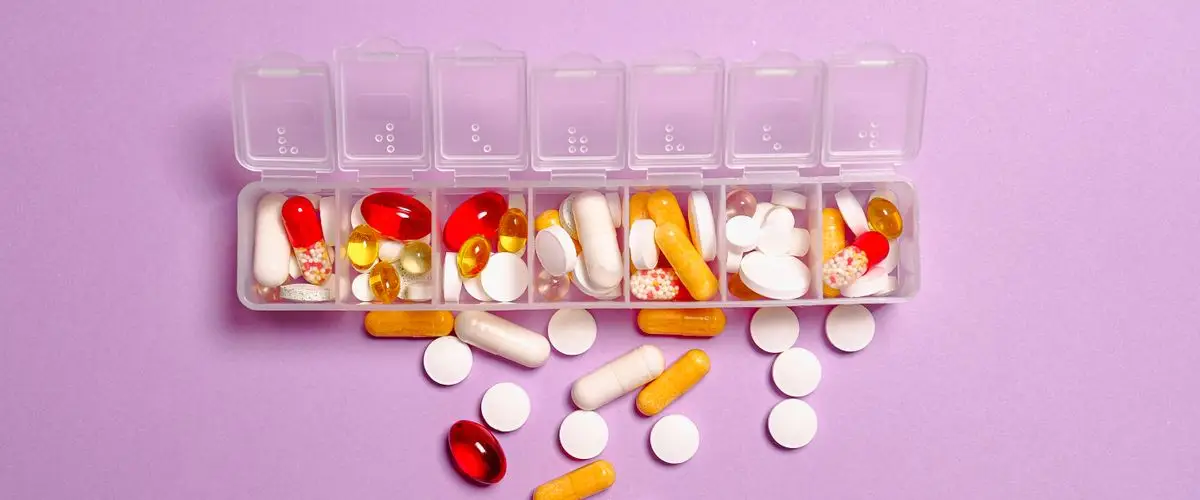
Every time you head out for a run, your muscles sustain micro-tears, your joints absorb repeated impacts and your body triggers a natural inflammatory response. That inflammation is necessary to adapt and grow stronger. The problem arises when inflammation becomes chronic: endless recoveries, persistent joint soreness, accumulated fatigue and performance that stagnates no matter how much you train (World Athletics) (ACSM).
The solution is not in a bottle of ibuprofen. It is on your plate. Anti-inflammatory foods contain bioactive compounds (polyphenols, anthocyanins, omega-3 fatty acids, curcuminoids) that modulate the inflammatory response naturally, without the side effects of drugs. In this guide we present the 15 best anti-inflammatory foods for runners, a practical meal plan and the scientific evidence behind each recommendation. If you want to dive deeper into general runner nutrition guide, check out our complete nutrition guide for runners.
1. Inflammation and running: friend and foe
Before talking about foods, it is essential to understand what role inflammation plays in running. Not all inflammation is bad. In fact, the acute inflammatory response is an indispensable mechanism for training adaptation.
Acute inflammation: your ally
When you run, especially during high-intensity sessions or long runs, you generate muscular micro-damage. Your body responds by sending immune cells (neutrophils, macrophages) to the damaged area. These cells clear out damaged tissue and initiate the repair and remodeling process. It is this acute inflammatory process that allows your muscles to rebuild stronger, your cardiovascular system to adapt and your aerobic capacity to improve. Without acute inflammation, there is no training adaptation.
This acute response is self-limiting: it lasts between 24 and 72 hours and resolves naturally once the tissue has been repaired. This is why your legs feel heavy the day after an interval session or a demanding long run.
Chronic inflammation: your silent enemy
The problem appears when inflammation does not resolve properly and becomes chronic. This can happen due to overtraining (not respecting recovery times), a poor diet high in ultra-processed foods, lack of sleep, sustained psychological stress, or a combination of all these factors. Low-grade chronic inflammation manifests as persistent fatigue, joint discomfort that never fully goes away, frequent respiratory infections, performance plateaus and an increased risk of overuse injuries.
As a runner, your goal is to allow the acute inflammation needed for adaptation while preventing it from becoming chronic. And that is where nutrition plays a decisive role.
Why pharmaceutical anti-inflammatories are not the answer
Many runners routinely reach for ibuprofen after training. This is a mistake for several reasons. NSAIDs (non-steroidal anti-inflammatory drugs) block the COX-2 enzyme, which is necessary for the natural resolution of inflammation and for muscular adaptation. Recent studies show that taking ibuprofen after training can reduce muscle protein synthesis, delay tendon and ligament healing, damage the gastric mucosa and compromise kidney function, especially when dehydrated after exercise. Ibuprofen has its place as a targeted medication for acute injuries under medical supervision, but not as a post-training routine. Anti-inflammatory foods offer a far smarter alternative: they modulate inflammation without completely blocking it, allowing training adaptation to proceed. To round out your recovery strategy, don't forget about post-run stretches (PubMed).
2. The 15 best anti-inflammatory foods for runners
We selected these 15 foods based on three criteria: scientific evidence of their anti-inflammatory properties, specific relevance for runners (muscle recovery, joint health, performance) and ease of incorporation into your daily diet. We have organized them into four categories to make it easier to integrate them into your eating habits (WHO).
Anti-inflammatory fruits
1. Blueberries
Blueberries are one of the fruits with the highest concentration of anthocyanins, the pigments responsible for their deep blue color and some of the most powerful antioxidants in existence. Anthocyanins inhibit the expression of pro-inflammatory cytokines (TNF-alpha, IL-6) and activate the anti-inflammatory pathways mediated by NF-kB.
For runners, blueberries are particularly interesting because several studies have shown that regular consumption (200-300 g) before and after intense exercise significantly reduces delayed onset muscle soreness (DOMS) and accelerates strength recovery. Additionally, their high vitamin C content contributes to collagen synthesis, which is essential for tendon and ligament health.
How to include them: A generous handful (150-200 g) at breakfast with oatmeal or yogurt, or as a post-workout snack. Frozen blueberries retain virtually all their properties and are more affordable.
2. Tart cherries
Tart cherries (Montmorency and Balaton varieties) are probably the anti-inflammatory food with the strongest scientific evidence specifically for endurance athletes. They contain high concentrations of anthocyanins and natural melatonin. Multiple clinical trials have demonstrated that they reduce post-exercise inflammation markers, decrease muscle soreness, accelerate strength recovery and improve sleep quality thanks to their melatonin content.
The most studied and practical format is concentrated tart cherry juice, which we recommend further on in the supplements section.
How to include them: 30 ml of tart cherry concentrate diluted in water twice a day, or a handful of fresh cherries when they are in season (June-July). Especially useful during weeks of peak training load.
3. Pomegranate
Pomegranate is rich in punicalagins and ellagic acid, two polyphenols with potent anti-inflammatory and antioxidant effects. Research shows that pomegranate juice reduces exercise-induced oxidative muscle damage and can improve blood flow thanks to its nitrate content, which promotes the delivery of oxygen and nutrients to recovering muscles.
For runners, pomegranate has an additional benefit: its compounds promote joint cartilage health by inhibiting matrix metalloproteinases (MMPs), enzymes that degrade cartilage. This makes it an especially interesting food for protecting knees and ankles from the wear associated with the repeated impact of running.
How to include it: A glass of 100% natural pomegranate juice (200 ml) per day, or fresh seeds as a topping on salads and yogurt. Avoid pomegranate juices with added sugars.
4. Pineapple
Pineapple contains bromelain, a proteolytic enzyme with proven anti-inflammatory and analgesic properties. Bromelain works by reducing the production of pro-inflammatory prostaglandins and modulating leukocyte activation. Several studies in the sports field have documented that bromelain supplementation reduces swelling, pain and recovery time after intense exercise.
Besides bromelain, pineapple provides manganese (an essential mineral for bone and cartilage formation) and vitamin C. The highest concentration of bromelain is found in the core or central stalk of the pineapple, which many people discard.
How to include it: 2-3 slices of fresh pineapple as a dessert or snack. If you blend it, include part of the central core to maximize the bromelain content. Avoid canned pineapple in syrup due to its high added sugar content.
Anti-inflammatory vegetables
5. Spinach
Spinach is an exceptional source of anti-inflammatory nutrients: nitrates, carotenoids (lutein, zeaxanthin), vitamins A, C and K, magnesium and folic acid. The nitrates in spinach are converted into nitric oxide in the body, improving vasodilation and blood flow to muscles, which benefits both performance and recovery.
The vitamin K in spinach is crucial for bone health, an aspect many runners overlook. Additionally, its magnesium content contributes to muscle relaxation, sleep quality and cramp reduction. For a more detailed guide on how to integrate spinach and other foods into your nutrition plan as a runner, visit our nutrition guide for runners.
How to include it: A large handful of baby spinach in salads, green smoothies or as a sauteed side dish. Cooked spinach concentrates the nutrients (one cooked serving equals several raw servings). Alternate between raw and cooked spinach to diversify your nutrient intake.
6. Broccoli
Broccoli contains sulforaphane, an isothiocyanate compound that activates the Nrf2 pathway, one of the main regulators of the body's antioxidant and anti-inflammatory defense. Sulforaphane stimulates the production of endogenous antioxidant enzymes (glutathione peroxidase, superoxide dismutase) and reduces the expression of pro-inflammatory genes.
For runners, broccoli has a very complete nutritional profile: vitamin C (more than oranges by weight), vitamin K, folate, potassium and fiber. Its content of bioavailable calcium (better absorbed than that from milk in some studies) makes it especially valuable for runners' bone health.
How to include it: Steamed or lightly sauteed (3-4 minutes). Overcooking destroys the sulforaphane. Raw or sprouted broccoli has the highest concentration of sulforaphane. Pair it with a drizzle of olive oil to improve the absorption of fat-soluble nutrients.
7. Beetroot
Beetroot is the star food for sports performance thanks to its high content of inorganic nitrates. These nitrates are converted into nitric oxide, which improves muscular efficiency, reduces the oxygen cost of exercise and increases tolerance to effort. But beyond improving performance, beetroot has potent anti-inflammatory properties thanks to betalains, the pigments responsible for its deep red color.
Betalains inhibit the activity of the COX-2 enzyme (the same mechanism as ibuprofen, but without its side effects) and reduce the production of pro-inflammatory cytokines. Several studies have demonstrated that regular beetroot consumption reduces inflammation and oxidative stress markers post-exercise.
How to include it: Roasted, boiled, in salads or as juice. To maximize the performance effect, consume 300-500 ml of beetroot juice 2-3 hours before training. For the anti-inflammatory effect, include beetroot in your diet 3-4 times per week.
Healthy anti-inflammatory fats
8. Salmon
Salmon (especially wild-caught) is the most complete dietary source of long-chain omega-3 fatty acids: EPA (eicosapentaenoic acid) and DHA (docosahexaenoic acid). Omega-3s are precursors to resolvins and protectins, molecules that actively participate in the resolution of inflammation. This means they not only reduce inflammation but help the body resolve it efficiently.
A 150 g serving of wild salmon provides approximately 2-3 g of EPA+DHA. Studies show that athletes with adequate omega-3 levels experience less post-exercise muscle soreness, better immune function and faster recovery. Additionally, DHA is fundamental for brain health, concentration and mood, factors that directly influence motivation and perceived exertion.
How to include it: 2-3 servings of salmon per week (150-200 g per serving). Baked, grilled or in salads. Other oily fish rich in omega-3: sardines, mackerel, trout and herring. If you want to learn more about omega-3 supplementation, check out our guide to the best supplements for runners.
9. Walnuts
Walnuts are the richest plant source of alpha-linolenic acid (ALA), a short-chain omega-3 fatty acid. Although ALA converts to EPA and DHA with low efficiency (only 5-10%), walnuts also contain ellagic acid, polyphenols and vitamin E, which collectively contribute to reducing systemic inflammation.
A Harvard University study showed that regular walnut consumption (a handful per day, about 30 g) significantly reduces inflammation markers (IL-6, TNF-alpha, C-reactive protein) compared to diets without nuts. For runners, walnuts have the added benefit of providing magnesium (muscle relaxation), zinc (immune system) and natural melatonin (sleep quality).
How to include them: A handful (30 g, about 7-8 walnuts) as a snack between meals, chopped over oatmeal or salads, or as walnut butter. Eat them unroasted and unsalted to maximize their properties.
10. Extra virgin olive oil
Extra virgin olive oil (EVOO) is one of the pillars of the Mediterranean diet and contains oleocanthal, a phenolic compound with anti-inflammatory properties comparable to ibuprofen. Oleocanthal inhibits the same enzymes (COX-1 and COX-2) as NSAIDs, but much more gently and without gastrointestinal or renal side effects.
In addition to oleocanthal, EVOO provides oleic acid (omega-9, anti-inflammatory), hydroxytyrosol (a powerful antioxidant) and vitamin E. Studies show that people who consume EVOO regularly have significantly lower levels of systemic inflammation. For runners, EVOO is also an excellent source of calorie-dense energy (healthy calories) and improves the absorption of fat-soluble vitamins (A, D, E, K) from vegetables.
How to include it: 2-3 tablespoons daily drizzled raw over salads, toast, vegetables or pasta. Always choose extra virgin, first cold-pressed. For cooking at moderate temperatures, EVOO is safe and retains its properties. For high-temperature frying, opt for refined olive oil or coconut oil.
11. Avocado
Avocado is rich in monounsaturated fats, phytosterols, carotenoids and polyphenols that work synergistically to reduce inflammation. A study published in the Journal of Nutrition showed that eating half an avocado with a meal containing pro-inflammatory foods significantly reduced post-meal inflammation markers.
For runners, avocado provides potassium (more than bananas by weight), which is essential for muscle function and cramp prevention. It is also a concentrated source of healthy energy, ideal for runners who need to increase their caloric intake without resorting to ultra-processed foods. Its vitamin E content protects cell membranes from exercise-induced oxidative damage.
How to include it: Half an avocado per day on toast, in salads, smoothies or as a side. Its versatility allows it to be included in both meals and snacks. Homemade guacamole (avocado, tomato, onion, lime, cilantro) is a perfect anti-inflammatory snack.
Spices and other anti-inflammatory foods
12. Turmeric
Turmeric contains curcumin, one of the most studied natural anti-inflammatory compounds in the world. Curcumin inhibits multiple inflammatory pathways simultaneously (NF-kB, COX-2, LOX, iNOS), making it a broad-spectrum anti-inflammatory agent. The most recent meta-analyses confirm that curcumin significantly reduces C-reactive protein, IL-6 and TNF-alpha.
For runners, curcumin has specific benefits: it reduces delayed onset muscle soreness (DOMS), accelerates strength recovery, decreases muscle damage measured by creatine kinase (CK) and may protect joints by inhibiting cartilage degradation.
The big drawback of curcumin is its low bioavailability: it is very poorly absorbed on its own. Piperine (black pepper extract) increases its absorption by up to 2000%. For this reason, always combine turmeric with black pepper and a fat source (olive oil, coconut oil).
How to include it: One teaspoon of turmeric powder per day in rice dishes, soups, scrambled eggs or smoothies. Always with a pinch of black pepper. The popular "golden milk" (plant milk + turmeric + pepper + cinnamon + honey) is a pleasant way to take it in the evening. If you are looking for a more potent therapeutic effect, consider a curcumin supplement which we cover further on.
13. Ginger
Ginger contains gingerols and shogaols, compounds with well-documented anti-inflammatory, analgesic and anti-emetic properties. Gingerol, the main bioactive compound in fresh ginger, inhibits the synthesis of pro-inflammatory prostaglandins in a similar (though milder) way to NSAIDs.
Several studies in athletes have shown that consuming 2 g of ginger per day for at least 5 days reduces post-exercise muscle soreness by 20-25%. Additionally, ginger has gastroprotective properties (reduces nausea, improves gastric emptying) that make it especially useful for runners who experience digestive issues during exercise.
How to include it: Freshly grated ginger in teas, smoothies, soups or vegetable stir-fries. A 2-3 cm slice of fresh ginger in a cup of hot water with lemon makes a perfect anti-inflammatory infusion for the morning or after training. Powder form also works (1/2 teaspoon equals roughly 2 g of fresh ginger).
14. Green tea
Green tea is rich in catechins, a group of polyphenols with potent antioxidant and anti-inflammatory properties. The most abundant and studied catechin is EGCG (epigallocatechin gallate), which inhibits the NF-kB and MAPK pathways involved in the chronic inflammatory response.
For runners, green tea offers a triple benefit. First, its anti-inflammatory effect modulates the post-exercise response. Second, EGCG stimulates fat oxidation during aerobic exercise, which can benefit runners looking to optimize their body composition or improve metabolic efficiency during long efforts. Third, the combination of caffeine and L-theanine in green tea provides a calm alertness, without the jitters that coffee causes in some people.
How to include it: 2-3 cups of green tea per day. Steep at 70-80 degrees Celsius for 2-3 minutes (boiling water destroys some catechins and produces a bitter taste). Matcha tea (ground leaf) has a higher catechin concentration than regular green tea bags. Avoid adding milk, as casein can reduce catechin absorption.
15. Dark chocolate (70%+ cacao)
Cacao is one of the richest sources of flavanols, polyphenols with proven anti-inflammatory, antioxidant and vasodilating effects. Cacao flavanols increase nitric oxide production, improve endothelial function and reduce blood pressure. They also act on the NF-kB and COX-2 pathways, reducing the production of pro-inflammatory cytokines.
A study published in the European Journal of Nutrition found that regular consumption of dark chocolate (40 g/day, 70%+ cacao) for 2 weeks reduced C-reactive protein levels and improved oxidative stress markers in athletes.
For runners, dark chocolate is also a practical energy snack: it provides iron, magnesium, zinc, theobromine (a mild stimulant) and fiber. However, we are talking about chocolate with at least 70% cacao, not milk chocolate or commercial bars with high sugar content.
How to include it: 20-40 g of dark chocolate (70%+ cacao) per day as an after-meal or afternoon snack. It pairs well with walnuts or berries for a complete anti-inflammatory snack. Buy chocolate with simple ingredients: cacao paste, cacao butter and a minimal amount of sugar.
3. Weekly anti-inflammatory meal plan
Knowing which foods are anti-inflammatory is the first step; integrating them into your daily routine is what truly makes a difference. Here is a 3-day meal plan as a practical example to show you how easy it is to eat anti-inflammatory foods without overcomplicating things. If you want a more comprehensive eating guide, check out our article on runner diet: what to eat.
Find your running with a group
1,100+ runners already train together. Free on iOS.
Day 1 (intense training day)
- Breakfast: Oatmeal with blueberries (150 g), chopped walnuts (30 g), chia seeds and a drizzle of honey. Green tea.
- Mid-morning: Whole grain toast with avocado, tomato and extra virgin olive oil. Ginger tea.
- Lunch: Baked salmon with sauteed spinach and garlic and steamed broccoli. Brown rice. Dressed with EVOO and lemon.
- Afternoon snack (post-workout): Concentrated tart cherry smoothie with banana and whey protein. Handful of walnuts.
- Dinner: Roasted beetroot, quinoa, pomegranate and arugula salad with EVOO vinaigrette. Turmeric tea with black pepper.
Day 2 (easy run day)
- Breakfast: Natural yogurt with pomegranate, walnuts and a teaspoon of turmeric with black pepper. Coffee or green tea.
- Mid-morning: 2-3 slices of fresh pineapple. Handful of almonds.
- Lunch: Large baby spinach salad with avocado, smoked salmon, cherry tomatoes and sunflower seeds. EVOO and lemon dressing. Whole grain bread.
- Afternoon snack: 2 squares of dark chocolate (70%+) with a green matcha tea.
- Dinner: Broccoli and zucchini cream soup with freshly grated ginger. Spinach omelette. Seasonal fruit.
Day 3 (rest day)
- Breakfast: Whole grain toast with olive oil, crushed tomato and avocado. Natural pomegranate juice (200 ml).
- Mid-morning: Green smoothie: spinach, pineapple, fresh ginger, coconut water.
- Lunch: Grilled sardines with beetroot and orange salad. Baked potato with EVOO. Blueberries for dessert.
- Afternoon snack: Golden milk (oat milk + turmeric + black pepper + cinnamon + honey) with walnuts.
- Dinner: Vegetable stir-fry (broccoli, bell pepper, carrot) with tofu and ginger. Basmati rice. Relaxing herbal tea.
4. Natural anti-inflammatory supplements
Although food should always be the foundation, there are three natural anti-inflammatory supplements with sufficient scientific evidence to recommend for runners looking to optimize their recovery. For a broader view of sports supplementation, check out our guide to the best supplements for runners.
Concentrated tart cherry juice
The natural anti-inflammatory supplement with the strongest evidence specifically for runners. Multiple randomized controlled trials have demonstrated its benefits for post-exercise recovery. The most studied dose is 30 ml of concentrate (equivalent to about 90-100 tart cherries) diluted in water, twice a day.
The most effective protocol according to the research is to start 4-5 days before an intense event (race, competition, high-load training week) and continue 2-3 days afterward. Muscle damage markers (CK) and inflammation markers (IL-6, CRP) are significantly reduced with this protocol compared to placebo.
Besides its anti-inflammatory effects, tart cherry juice improves sleep quality thanks to its natural melatonin and tryptophan content, an added fundamental benefit for runner recovery.
Our recommendation:
- Concentrated tart cherry juice — Purchase link temporarily removed. Destination pending verification. - 100% natural Montmorency cherry concentrate. 30 ml diluted in water twice daily.
Omega-3 (fish oil EPA/DHA)
If you do not eat oily fish at least 2-3 times per week, omega-3 supplementation is probably the best investment you can make in your recovery. Long-chain omega-3s (EPA and DHA) are direct precursors of resolvins and protectins, molecules essential for the efficient resolution of inflammation.
The recommended dose for athletes is 2-3 g of combined EPA+DHA per day (do not confuse this with total grams of fish oil; read the label to see the actual EPA+DHA content per capsule). The effects are cumulative: 4-6 weeks of consistent supplementation are needed to saturate cell membranes and achieve the full anti-inflammatory benefit.
Look for supplements with IFOS (International Fish Oil Standards) certification, which guarantees purity, freshness and concentration. For vegan runners, algae-derived omega-3 supplements (which contain DHA and in some cases EPA) are a good alternative.
Our recommendation:
- Concentrated fish oil omega-3 - High EPA/DHA concentration per capsule. Purity certified. Take with food for better absorption.
Curcumin with piperine
As we mentioned, curcumin has exceptional anti-inflammatory properties, but its oral absorption is very low. Quality curcumin supplements include piperine (black pepper extract) that dramatically increases bioavailability. Other formulations use technologies such as phytosomes (Meriva) or nanoparticles (Theracurmin) to improve absorption.
The effective dose according to studies is 500-1000 mg of standardized curcumin per day, with piperine. Clinical trials show significant reductions in DOMS, inflammatory markers and joint pain in athletes. To learn about more sports supplementation options, check out our guide to supplements for runners.
Our recommendation:
- Curcumin with piperine - Extract standardized to 95% curcuminoids with black pepper extract. Take with a meal containing fat.
5. Foods that INCREASE inflammation
Just as important as incorporating anti-inflammatory foods is reducing those that promote chronic inflammation. There is no point eating blueberries and turmeric if the rest of your diet is made up of ultra-processed foods and refined sugar. These are the main inflammation promoters that every runner should minimize.
Ultra-processed foods
Ultra-processed foods (industrial pastries, packaged chips, pre-cooked meals, low-quality processed meats, commercial sauces) contain a perfect combination for generating inflammation: trans or low-quality fats, refined sugar, refined flour, additives, preservatives and excess sodium. Epidemiological studies consistently show that diets with a high percentage of ultra-processed foods are associated with elevated inflammatory markers, greater injury risk and poorer recovery. The goal is not to eliminate them completely (a runner needs to be practical), but to ensure they are not the foundation of your diet.
Excess refined sugar
Refined sugar (sucrose, high-fructose corn syrup, glucose) in high quantities activates pro-inflammatory NF-kB pathways and increases the production of AGEs (advanced glycation end products), compounds that damage tissues and promote chronic inflammation. This does not mean you should avoid all sugar. Carbohydrates are essential for running performance. The difference lies in the source: natural sugars from fruits, honey and whole grains come accompanied by fiber, vitamins and antioxidants that modulate their inflammatory impact. Refined sugar in soft drinks, pastries and industrial snacks arrives with no accompanying nutrients (Mayo Clinic).
Alcohol
Alcohol is a potent promoter of systemic inflammation. It increases intestinal permeability (a leaky gut allows bacterial toxins into the bloodstream, activating the inflammatory response), inhibits muscle protein synthesis, dehydrates, disrupts sleep cycles (reduces REM and deep sleep) and suppresses growth hormone production, which is fundamental for overnight muscle repair. For a runner aiming to recover well, alcohol is probably the worst possible habit. If you choose to drink, do so in moderation and never immediately after training. We also recommend complementing your recovery with appropriate recovery equipment.
Trans fats and hydrogenated fats
Artificial trans fats (found in hydrogenated margarines, industrial pastries, some snacks and fast food) are the most pro-inflammatory fats in existence. They raise LDL cholesterol, lower HDL, activate the inflammatory response and damage the vascular endothelium. Although their use is increasingly regulated in Europe, they are still present in many processed products. Read labels and avoid products containing "partially hydrogenated oil" in their ingredients.
Excess omega-6
Omega-6 fatty acids (linoleic acid) are essential and necessary, but the problem is the ratio relative to omega-3. The typical Western diet has an omega-6/omega-3 ratio of 15-20:1, when the ideal is 2-4:1. This imbalance favors the production of pro-inflammatory eicosanoids. The main sources of excess omega-6 are refined vegetable oils (sunflower, corn, soybean), fast food and fried foods. Replacing sunflower oil with extra virgin olive oil is one of the simplest and most effective changes you can make to improve your omega-6/omega-3 ratio.
| Pro-inflammatory | Anti-inflammatory alternative |
|---|---|
| Refined sunflower oil | Extra virgin olive oil |
| Industrial pastries | Whole grain bread with EVOO and nuts |
| Sugary soft drinks | Green tea, lemon water, pomegranate juice |
| Packaged chips | Walnuts, almonds, fresh fruit |
| Processed deli meats | Smoked salmon, hummus, avocado |
| Commercial sauces | Homemade dressings with EVOO, lemon and spices |
| Post-workout beer | Tart cherry juice, recovery shake |
6. Timing: when to eat to reduce inflammation
It is not only about what you eat, but when you eat it. The timing of anti-inflammatory foods can enhance or diminish their effects on recovery. Here are the key strategies to optimize when you eat.
The post-workout window (0-2 hours)
The first two hours after an intense or long training session are a key moment for recovery. During this period, acute inflammation is at its peak and your body is especially receptive to nutrients. A shake or snack combining carbohydrates (to replenish glycogen), protein (to repair muscle fibers) and anti-inflammatory foods is the ideal combination.
Example anti-inflammatory post-workout snack: Smoothie with plant milk + concentrated tart cherry juice + banana + spinach + whey protein + a teaspoon of turmeric with black pepper. Or more simply: natural yogurt with blueberries, walnuts and honey.
Your daily diet matters more than any single food
A common mistake is thinking that eating one anti-inflammatory superfood after training compensates for a poor daily diet. That is not how it works. Chronic inflammation is the cumulative result of what you eat every day, not of one isolated meal. The benefits of anti-inflammatory foods are dose-dependent and cumulative: you need daily consistency over weeks to see effects on inflammation markers.
Think of your anti-inflammatory diet the same way you think about your training plan: results come from regularity, not from a one-off effort. Including 3-5 anti-inflammatory foods every day, consistently, is infinitely more effective than gorging on blueberries and turmeric the day after a long run. For more complete nutritional planning, we recommend our nutrition guide for runners.
Before training: preparing the ground
Consuming nitrate-rich foods (beetroot, spinach) 2-3 hours before training provides a double benefit: it improves performance (greater muscular efficiency thanks to nitric oxide) and prepares the body with an antioxidant base that modulates the subsequent inflammatory response. A green smoothie with spinach and beetroot before an interval session or a long run is a simple and effective strategy.
At night: maximizing overnight repair
Nighttime is when your body carries out most of its muscle repair and elimination of inflammatory waste products. Eating anti-inflammatory foods at dinner enhances this process. Turmeric (golden milk), ginger (tea), salmon, tart cherries (natural melatonin) and dark chocolate (magnesium) are especially useful in the evening.
Avoid eating heavy or late meals, as difficult digestion worsens sleep quality, which is the most important recovery factor. A light but nutritious dinner, rich in moderate protein, vegetables and healthy fats, followed by a ginger tea or golden milk before bed, is an excellent nighttime anti-inflammatory strategy.
High-load days vs. rest days
On intense or long training days, prioritize anti-inflammatory foods with a more acute effect: tart cherry juice, blueberries, ginger. On rest days, focus on those with long-term cumulative effects: olive oil, walnuts, spinach, broccoli, oily fish. Do not reduce your intake of anti-inflammatory foods on rest days; residual inflammation from the previous day's training is still active and needs to be modulated.
Frequently asked questions
How many anti-inflammatory foods should I eat per day?
There is no magic number, but ideally you should include at least 3-5 anti-inflammatory foods in your daily diet. This is easier than it sounds: a handful of blueberries at breakfast, spinach at lunch, salmon or walnuts at dinner and a turmeric or green tea infusion between meals. The key is daily consistency, not loading up on a single day.
Can I take anti-inflammatory drugs (ibuprofen) after running instead of watching my diet?
This is not recommended. Regular use of NSAIDs like ibuprofen after training can interfere with muscular adaptation to exercise, damage the gastric mucosa and impair kidney function, especially when dehydrated after exercise. Anti-inflammatory foods offer similar benefits without these side effects and also provide essential nutrients for recovery. Save ibuprofen for occasional use under medical guidance, not as a post-workout routine.
Does tart cherry juice really work for recovery?
Yes, tart cherry juice has strong scientific evidence. Several controlled clinical trials have shown that it reduces post-exercise muscle soreness, lowers inflammation markers such as C-reactive protein and accelerates the recovery of muscular strength. The studied dose is 30 ml of concentrate (or 240 ml of juice) twice a day, starting 4-5 days before an intense event and continuing 2-3 days afterward.
Is turmeric better as a spice or as a supplement?
It depends on your goal. As a daily cooking spice, turmeric provides moderate benefits and is a natural way to include it in your diet. However, curcumin (the active compound) has very low bioavailability on its own. Curcumin supplements with piperine (black pepper extract) dramatically increase its absorption. If you are looking for a potent anti-inflammatory effect during periods of heavy training load, the supplement is more effective. For general daily maintenance, the spice combined with black pepper and a fat source is sufficient.
Is alcohol really that bad for inflammation in runners?
Yes. Alcohol increases systemic inflammation, interferes with muscle protein synthesis, dehydrates and worsens sleep quality by reducing deep sleep and REM stages. Even moderate amounts (2-3 beers) after a hard workout can significantly delay recovery. If you want to celebrate a race, try to wait at least 2-3 hours post-exercise, rehydrate and eat well before consuming alcohol, and keep the amount to an absolute minimum.
Do I still need an anti-inflammatory diet if I already take omega-3 supplements?
Yes. Omega-3 supplements are a complement, not a substitute for a complete anti-inflammatory diet. Anti-inflammatory foods provide hundreds of bioactive compounds (polyphenols, anthocyanins, flavonoids, nitrates, fiber) that a single supplement cannot replicate. Omega-3 supplements are useful if you do not eat enough oily fish, but the foundation should always be a diet rich in fruits, vegetables, healthy fats and spices.
How long does an anti-inflammatory diet take to affect my performance?
The acute effects of some foods (such as tart cherry juice or ginger) can be noticed within 24-48 hours in the form of reduced muscle soreness. However, the real benefits of a consistent anti-inflammatory diet become apparent after 2-4 weeks: better recovery between sessions, fewer joint aches, improved sleep quality and greater overall energy. At 2-3 months is when blood inflammation markers show significant changes. Patience and consistency are key.
Improve your nutrition by running with others
Share nutrition tips and discover what other runners eat. Join a free group run.
Join 1,100+ runners
Running tips in your inbox
Recipes, nutrition strategies and supplementation for runners. No spam.
Cancel anytime.