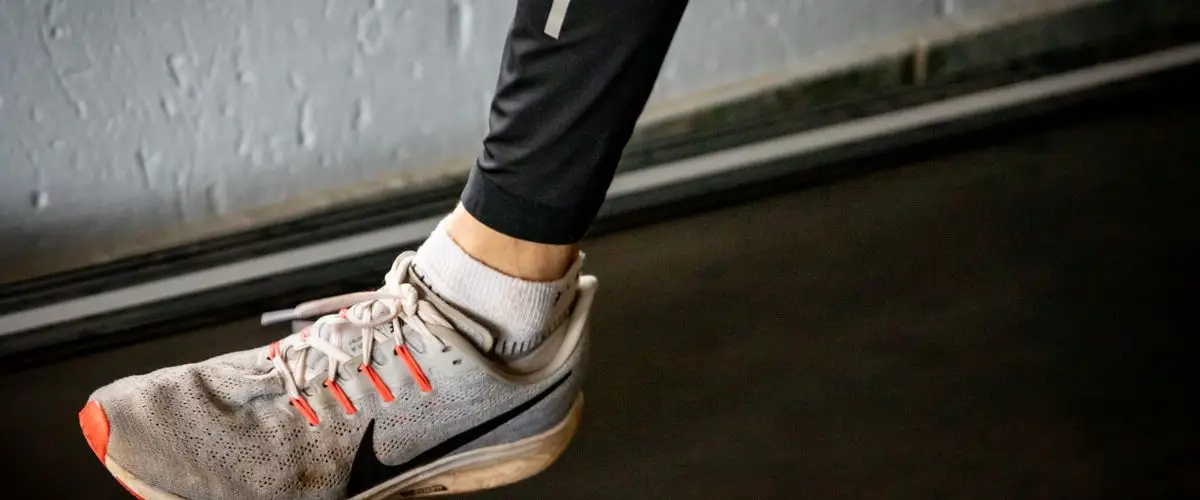
Running is for everyone. It doesn't matter how much you weigh, how old you are, or whether you've never laced up a pair of running shoes before. Running is one of the most democratic sports in existence and more and more people carrying extra weight are discovering they can enjoy it just as much as anyone else. The only thing that changes is that shoe selection matters a bit more (World Athletics).
When you run, each footstrike generates impact forces of between 2 and 3 times your body weight. If you weigh 60 kg, your joints absorb between 120 and 180 kg of force with every stride. If you weigh 90 kg, those forces climb to between 180 and 270 kg. That difference is enormous, and your shoe is your first line of defense for absorbing that impact and protecting your knees, ankles, hips and back.
This guide is designed for runners over 80 kg who are looking for shoes with the cushioning, support and durability needed to run with complete confidence. Whether you're just starting out or you've been running for years, you'll find the perfect model here. If you're looking for a general shoe guide, you can visit our running shoes section (Runner's World).
Why weight matters when choosing shoes
The physics don't lie: the more you weigh, the more force your body absorbs with each stride. In a 5-kilometer run at an easy pace, a runner takes roughly 4,000-5,000 strides. Multiply those strides by impact forces of 2-3 times your body weight and you'll understand why cushioning makes an enormous difference for a 90 kg runner compared to a 65 kg one.
But it's not just about impact. Body weight affects running shoes in three main ways you should understand before making your choice:
Joint protection: A heavier runner's joints bear greater mechanical load. The knees, ankles and hips need the shoe to absorb as much impact as possible before that energy reaches the joints. A shoe with minimal cushioning that works perfectly for a 65 kg runner may fall short for a 90 kg one, allowing too much direct impact to pass through to the joints.
Midsole compression: The midsole foam has a compression limit. A heavier runner compresses the foam more with each stride, which means the shoe loses its properties faster. Models with thin midsoles or ultralight foams designed for racing can reach full compression (what's called "bottoming out"), where they no longer cushion at all because the foam is completely flattened. That's why you need models with generous midsoles and high-density foams.
Accelerated wear: A heavier runner's shoes take more punishment than a lighter runner's. The outsole wears down sooner, the midsole loses its bounce sooner and the upper deforms sooner. Where a 70 kg runner might get 800 km from a pair of shoes, a 95 kg runner will likely notice diminished performance between 400 and 600 km. Choosing models with resistant outsoles and durable materials isn't a luxury; it's an economic and health necessity (WHO).
What to look for in shoes if you weigh over 80 kg
Not all running shoes work equally well for heavier runners. These are the four key factors you should prioritize above everything else:
Maximum cushioning
This is the number one factor. You need shoes with thick midsoles and high-quality foams that maintain their absorption properties kilometer after kilometer. Look for models classified as "maximum cushioning" or "maximalist" by the brands. The most recommended foams for heavier runners are ASICS' FF Blast Plus Eco (with additional Gel technology), Hoka's compressed EVA and Brooks' DNA Loft. These foams have high density, meaning they don't fully compress even under heavy loads.
Avoid shoes with thin midsoles (under 30 mm stack height) or with ultralight foams designed for racing. Those foams prioritize lightness and bounce, but don't have the density to withstand the repeated impact from a heavier runner over hundreds of kilometers.
Support and stability
Greater body weight tends to amplify any biomechanical imbalance. If your stride has some pronation (the foot rolls inward upon landing), a higher body weight makes that pronation more pronounced and potentially more harmful to your joints. That's why many heavier runners benefit from shoes with some form of medial support, even if they're not severe overpronators (ASICS).
If you don't know your gait type, we recommend getting a gait analysis at a specialist running store. But as a general rule: if you notice excessive wear on the inner side of your current shoes' outsole, you'll likely benefit from a stability model. The models we recommend in this guide include both neutral and stability options so you can choose based on your needs.
Outsole durability
The outsole is the part of the shoe that takes the most punishment with greater weight. Look for models with high-density rubber outsoles, especially in the highest-wear zones: the heel (if you heel strike) and the forefoot (during push-off). ASICS' AHAR+ rubber, Adidas' Continental rubber and Brooks' high-abrasion outsoles are particularly resistant.
Avoid models where the midsole foam is exposed on the outsole (without protective rubber), as those areas wear out very quickly with heavier runners. A model with full rubber outsole coverage will last significantly longer.
Wide fit
Many runners over 80 kg have wider feet than average. A shoe that pinches laterally isn't just uncomfortable; it can cause blisters, bunions and toenail problems. Brands like New Balance and Brooks offer wide fit options (wide and extra-wide) that provide more room in the forefoot area without compromising heel lockdown.
If you've never tried a wide-fit shoe, I encourage you to do so. Many runners discover they've been wearing shoes that are too narrow for years and that simply switching to a wide fit eliminates discomfort they thought was normal. If you want to dive deeper into choosing the perfect shoe for your level, visit our running shoes guide.
The 7 best shoes for heavier runners in 2026
We selected these 7 models after analyzing dozens of shoes, prioritizing generous cushioning, superior durability and options for different gait types and budgets. All perform exceptionally well for runners over 80 kg.
Find your running with a group
1,100+ runners already train together. Free on iOS.

1. ASICS Gel-Nimbus 26 - The best shoe for heavier runners
~180 EURBest for: neutral heavier runners, long runs, maximum joint protection
The ASICS Gel-Nimbus 26 is our number one recommendation for runners over 80 kg and there's a very clear reason: it combines FF Blast Plus Eco foam throughout the midsole with Gel technology inserts in both the heel and forefoot. That combination delivers exceptional impact absorption that doesn't degrade with use, which is crucial when the impact loads are higher than average.
The midsole is thick (41 mm at the heel) but doesn't feel unstable thanks to the wide base. The engineered mesh upper is breathable and comfortable from day one, with no break-in period needed. The AHAR Plus rubber outsole has superior durability, built to withstand the extra wear from heavier runners. If you're only going to own one pair of running shoes, these are the ones we recommend without question.

2. Hoka Bondi 8 - Maximum cushioning for heavier runners
~160 EURBest for: maximum protection, joint issues, runners who prioritize extreme comfort
If what you're after is the sensation of running on clouds with every stride, the Hoka Bondi 8 is your shoe. It's one of the most cushioned shoes on the market and works exceptionally well for heavier runners thanks to its high-volume midsole that won't bottom out even under heavy loads. Hoka's meta-rocker geometry facilitates transitions and reduces joint pressure by naturally guiding the foot from heel to toe.
The low 4 mm drop encourages a more natural footstrike, but the cushioning is so generous that even heel strikers feel well-protected. It's a bit heavier than the Clifton, but for a heavier runner that extra shoe weight is irrelevant compared to the additional protection it provides. Perfect for easy runs and active recovery. Read our Clifton 9 vs Bondi 8 comparison for more details.

3. Brooks Glycerin 21 - Softness and durability in one package
~160 EURBest for: daily runs for heavier runners, those seeking plushness without sacrificing durability
The Brooks Glycerin 21 is one of the softest shoes on the market thanks to its nitrogen-infused DNA Loft v3 foam, which creates a plush feel with enough energy return to avoid feeling dead. For heavier runners, the Glycerin stands out for its exceptionally smooth heel-to-toe transition and its ability to maintain performance over many kilometers.
The knit upper is soft with a very comfortable interior that minimizes friction, which matters for heavier runners who tend to generate more rubbing during their stride. The rubber outsole has excellent durability and the 10 mm drop is ideal for heel strikers, who represent the majority of heavier runners. If you enjoy the sensation of softness without feeling like you're sinking, the Glycerin is your model.

4. New Balance Fresh Foam X 1080v14 - Best option in wide fit
~170 EURBest for: wide feet, heavier runners who need more toe box space
If you have wide feet, the New Balance 1080v14 is probably the best shoe on the market for you. New Balance is the brand that does wide lasts best (available in D, 2E and 4E for men) and the 1080 in the wide version offers generous forefoot room without compromising heel lockdown. For many heavier runners with wide feet, there simply isn't anything better out there.
The Fresh Foam X midsole is one of the most versatile: neither too soft nor too firm, with a nice energy return that makes it pleasant for both easy runs and slightly faster paces. The outsole has good grip on both dry and wet pavement, and durability is very good for its category. The Hypoknit upper conforms to the foot without squeezing. A premium shoe in every sense.

5. ASICS GT-2000 12 - Stability for heavier overpronators
~140 EURBest for: heavier overpronators, runners who need extra support without stiffness
Excessive pronation is more common and more problematic in heavier runners. If your foot rolls too far inward upon landing, the ASICS GT-2000 12 is the shoe you need. The Litetruss system in the medial zone corrects overpronation progressively and gently, without making you feel like you're wearing an "orthopedic" or rigid shoe. It's a subtle but effective correction that protects your knees and ankles over the long run.
The FF Blast Plus cushioning is generous for a stability model (many stability shoes sacrifice cushioning; the GT-2000 doesn't). The AHAR Plus outsole is one of the most resistant on the market and holds up very well against the wear from heavier runners. Plus, at around 140 euros, it offers a value proposition that's hard to beat. Highly recommended if you're coming back from knee or ankle injuries.

6. Hoka Clifton 9 - Generous cushioning without excess weight
~140 EURBest for: heavier runners seeking lightness, varied paces, daily use
The Hoka Clifton 9 is the Bondi's lighter sibling and, while it has less cushioning, it still provides notable protection for runners in the 80-90 kg range. Its strong suit is weight: at just 248 grams, it's significantly more agile than the Bondi and allows for more varied paces without feeling like you're dragging your feet.
For heavier runners who already have some experience and want a more versatile shoe (one that works for easy runs as well as picking up the pace), the Clifton is an excellent choice. Hoka's meta-rocker geometry naturally guides the stride and reduces joint pressure. If you weigh more than 95 kg, the Bondi is probably the better option; between 80 and 95 kg, the Clifton works perfectly. You can check our full road shoe comparison for more options.
Purchase link temporarily removed. Destination pending verification.
7. Brooks Adrenaline GTS 24 - Comfortable stability for everyday running
~140 EURBest for: overpronators seeking comfort, heavier beginners, daily use
The Brooks Adrenaline GTS 24 uses the GuideRails system instead of the classic medial post to control pronation. This system works like guide rails that keep your foot within its natural range of motion without forcing it into a fixed position, which feels more comfortable and natural than traditional stability systems. For heavier runners who overpronate, it's a noticeable difference in comfort.
The DNA Loft v2 foam provides balanced cushioning that absorbs impact well without feeling excessively soft. The 12 mm drop is the highest on this list and strongly favors heel strikers, who will find a very comfortable transition. The outsole has good durability and the 140-euro price makes it a very accessible option. If you're looking for a comfortable and reliable stability shoe for daily training, the Adrenaline is a safe bet (ACSM).
Comparison table
| Model | Weight | Drop | Cushioning | Stability | Price |
|---|---|---|---|---|---|
| ASICS Nimbus 26 | 290 g | 8 mm | Maximum (Gel + FF Blast) | Neutral | ~180 EUR |
| Hoka Bondi 8 | 307 g | 4 mm | Maximum (maximalist EVA) | Neutral | ~160 EUR |
| Brooks Glycerin 21 | 290 g | 10 mm | High (DNA Loft v3) | Neutral | ~160 EUR |
| NB 1080v14 | 280 g | 6 mm | High (Fresh Foam X) | Neutral | ~170 EUR |
| ASICS GT-2000 12 | 280 g | 8 mm | High (FF Blast Plus) | Medial support | ~140 EUR |
| Hoka Clifton 9 | 248 g | 5 mm | Medium-High (EVA) | Neutral | ~140 EUR |
| Brooks Adrenaline GTS 24 | 285 g | 12 mm | Medium-High (DNA Loft v2) | GuideRails | ~140 EUR |
Tips for starting to run when overweight
If you're reading this guide and haven't started running yet, this section is for you. Running with extra weight is perfectly viable and safe if you approach it intelligently. Thousands of people who now run marathons started with a few extra kilos and a sensible plan. You can be one of them. If you want a comprehensive step-by-step guide, we recommend our article on how to start running from scratch.
Start slow, very slow. The most common mistake beginners make (with or without extra weight) is going out too fast. Your first goal isn't to run fast; it's to run without getting injured. Start at a pace where you can hold a conversation without getting winded. If that means going very slowly, that's perfect. Speed will come naturally with time and consistency.
Use the run-walk method. You don't need to run for 30 minutes straight from day one. The run-walk method alternates intervals of walking and easy jogging. For example: 2 minutes walking + 1 minute jogging, repeated for 20-30 minutes. Each week, gradually increase the running time and reduce the walking. In 8-12 weeks you'll be running 20-30 minutes continuously without any issues.
Listen to your body. There's a difference between muscle soreness (normal and expected) and joint pain (a warning sign). If you feel sharp pain in your knees, ankles, hips or lower back, stop and rest. Muscle soreness after the first few sessions is completely normal and fades in 2-3 days. If any pain persists for more than a week, see a professional.
Incorporate strength training. Strengthening your legs (especially quadriceps, hamstrings, glutes and core) is the best way to protect your joints while running. You don't need a gym: bodyweight squats, lunges, glute bridges and planks, 2-3 times a week for 15-20 minutes, make an enormous difference in injury prevention.
Don't neglect nutrition. Running with extra weight doesn't mean you should go on a restrictive diet. In fact, you need energy to train and recover. Eat a balanced diet, stay well hydrated and don't obsess over the scale. Running will naturally help improve your body composition if you're consistent. If you want to lose weight, a moderate (not extreme) caloric deficit combined with running is the most sustainable approach.
Don't compare yourself to others. Every body is different and everyone has their own pace. The lean runner who's faster than you has probably been running for years. What matters is your personal progress: if you ran one minute longer today than last week, that's a win. Running is a sport where you only compete against yourself, and that makes it perfect for anyone, regardless of weight.
Common mistakes of heavier runners
After years of helping runners of all profiles, these are the mistakes we see most frequently among heavier runners. Avoiding them will save you injuries, frustration and money. For more common running mistakes at any weight, check our guide on common running mistakes.
Wearing lightweight racing shoes or minimalist shoes
This is a very common mistake: seeing elite runners in ultralight carbon-plated shoes and thinking you should wear them too. Racing shoes are designed for lightweight runners (60-75 kg) running at very fast paces over specific distances. Their midsoles are thin, their foams prioritize bounce over protection, and their durability is limited (300-400 km).
A 90 kg runner wearing Nike Vaporflys will fully compress the ZoomX foam, neutralizing the carbon plate effect and ending up with no real protection against impact. On top of that, durability will drop from the typical 400 km to 200-250 km. The same goes for zero-drop minimalist shoes: they may work for some lightweight runners with refined technique, but for heavier runners the injury risk is simply too high.
Ignoring shoe wear
This mistake is especially costly for heavier runners. As we've explained, your shoes wear out faster. The problem is that midsole wear isn't always visible: the foam can have lost 40% of its cushioning ability while still looking new on the outside. The most reliable signal is how they feel: if you notice that the impact from each stride is greater than when the shoes were new, or if you start developing aches you didn't have before, the midsole is probably no longer doing its job.
Our recommendation for runners over 85 kg: track the kilometers on each pair (most GPS running watch guidees and running apps do this automatically) and consider replacing them between 400 and 600 km, without waiting for the shoes to fall apart. Your joints will thank you far more than your wallet will complain.
Not considering stability
Many heavier runners choose neutral shoes because the word "stability" sounds like it means a rigid, uncomfortable shoe. But modern support models (like the ASICS GT-2000 12 or Brooks Adrenaline GTS 24) are just as comfortable as their neutral counterparts, with added subtle medial support to prevent excessive pronation.
Body weight amplifies any imbalance in your gait. What in a 65 kg runner is mild pronation that causes no issues can translate, in a 95 kg runner, into inner knee pain, plantar fasciitis or posterior tibial tendinitis after a few months. If you don't know your gait type, invest in a biomechanical analysis at a specialist running store. It's free at most stores and could save you months of injuries. You can also check our guide on shoes for beginners for more level-based recommendations.
Frequently asked questions
At what weight are you considered a heavy runner?
There's no exact cutoff, but in the running industry a heavy runner is generally considered to be over 80-85 kg (176-187 lbs) for men and 70-75 kg (154-165 lbs) for women. Above that weight, impact forces are significantly greater and it's worth looking for shoes with reinforced cushioning and better durability. However, more than the number on the scale, what matters is how you feel in your current shoes: if you notice they compress too much or wear out too quickly, you need a model with more support regardless of what you weigh.
Do heavy runners need special shoes?
They don't need "special" shoes per se, but they do need models with more cushioning, better structural support and more resistant outsoles. Lightweight racing shoes or minimalist shoes don't provide sufficient protection to absorb the additional impact from greater body weight. The 7 shoes in this guide are designed to offer the extra protection and durability that a heavier runner needs.
What's better for a heavy runner, maximum cushioning or stability?
It depends on your gait type. If you're neutral (you don't overpronate), a maximum cushioning shoe like the ASICS Nimbus 26 or Hoka Bondi 8 is the best choice. If you're an overpronator (your foot rolls inward upon landing), you need stability: the ASICS GT-2000 12 or Brooks Adrenaline GTS 24 combine generous cushioning with medial support to correct pronation. If you're unsure about your gait, a free analysis at any specialist running store will settle the question in 5 minutes.
How often should a heavy runner replace their shoes?
A heavy runner wears out shoes faster than a lighter one. While the general rule is to replace every 600-800 km, a runner over 85 kg should consider changing between 400 and 600 km. Don't wait until the shoe is falling apart: the midsole loses cushioning capacity long before the shoe looks worn on the outside. Check regularly to see if the foam has lost its bounce or if you're feeling more impact than usual.
Can I run safely if I'm overweight?
Absolutely yes. Running while overweight is safe and beneficial as long as you start gradually, use appropriate shoes and listen to your body. The run-walk method (alternating intervals of walking and easy jogging) is perfect for getting started and allows your body to adapt gradually to the impact. Thousands of people carrying extra weight run regularly and enjoy the cardiovascular, metabolic and emotional benefits of running. If you have any pre-existing medical conditions, consult your doctor before starting.
What's the best budget option for heavy runners?
The ASICS GT-2000 12 and Hoka Clifton 9, both around 140 euros, offer excellent value for money. The GT-2000 is the best option if you need stability, and the Clifton 9 if you want neutral cushioning and lightness. Another smart strategy is to look for previous versions of premium models (like the Nimbus 25 or Bondi 7) at outlet stores or during sales, where you can find 30-40% discounts off the original price without any loss in quality.
I'm a heel striker and heavy, which shoe should I choose?
If you heel strike and weigh over 80 kg, you need a shoe with plenty of heel cushioning and a medium-to-high drop (8-12 mm). The ASICS Gel-Nimbus 26 is our top recommendation: its Gel technology in the heel is specifically designed to absorb heel strike impact, combined with FF Blast Plus foam throughout the midsole. The Brooks Glycerin 21 (with 10 mm drop) and the Brooks Adrenaline GTS 24 (12 mm drop) are also excellent choices for heavier heel strikers.