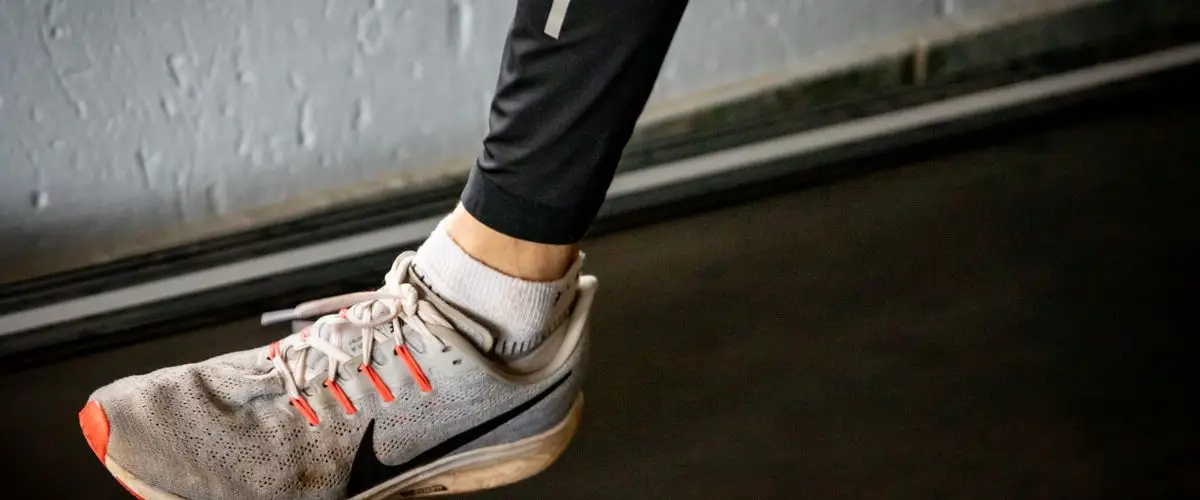
There's a widespread myth in the running world: that you need 150 or 180-euro shoes to run properly. It's false. The reality is that many of the best shoes on the market can be had for under 100 euros if you know where and when to look. Previous-season models from Nike, Brooks, Saucony or ASICS that cost 140 euros six months ago are now available for 75-90 euros with the same technology, the same materials and the same build quality (World Athletics).
In this guide we're going to do three things: first, explain how to find budget running shoes without sacrificing quality. Second, recommend 8 specific models you can buy right now for under 100 euros. And third, give you practical tips to save on every shoe purchase you make from now on. If you're a beginner, we also recommend our beginner's running guide where we explain everything you need to know before hitting the road.
How to find quality budget running shoes
Before getting into specific models, it's essential to understand how the running shoe market works. Major brands release a new version of each model every 12-18 months. When the new version drops, the previous one gets slashed in price dramatically: we're talking 30 to 50 percent discounts. And in the vast majority of cases, the differences between one version and the next are minimal. A color change here, an upper tweak there, perhaps a slight modification to the foam density. The core technology, the part that actually matters for your performance and protection, is virtually identical (Runner's World).
This is the first and most important rule for buying budget running shoes: always look for the previous-season model. A Nike Pegasus 40 at 85 euros is the exact same quality shoe it was when it cost 130 euros a year ago. Your body won't notice the difference, but your wallet certainly will.
The four strategies for buying on a budget
- Previous-season models: When a brand launches a new version (for example, Pegasus 42), the previous version (Pegasus 41) drops in price immediately. Retailers need to clear stock and discounts can reach 50%. It's the most reliable way to buy premium shoes at bargain prices.
- Sales seasons: January and July are the traditional sale months in Europe. Black Friday (late November), Amazon Prime Day (July and October) and Cyber Monday also offer significant discounts. If you're not in a hurry, waiting for one of these dates can easily save you 40-60 euros.
- Outlets and discount stores: Brands have their own outlets, both physical and online. Nike Factory, Adidas Outlet, ASICS Outlet and Brooks all have discounted sections on their websites. Amazon Warehouse sells shoes with damaged boxes or slightly used packaging with full returns at incredibly low prices.
- Price comparison tools: Tools like Idealo, Google Shopping or CamelCamelCamel (for Amazon) let you track the price history of any shoe and set up alerts when they drop below a price you set. It's the smartest way to buy: decide what you want, set your maximum price and wait.
If you want to see our full shoe selection for every budget, visit our running shoes section where we update prices weekly.
The 8 best running shoes under 100 EUR
We've selected 8 models you can buy right now for under 100 euros. All are proven quality shoes from recognized brands with enough cushioning to protect your joints and durability to last hundreds of kilometers. They're ranked by value for money, not by absolute price. For a broader selection by level, check our guide to running shoes for beginners.
1. Nike Pegasus 40 (previous season) - Best overall value

Best for: all levels, daily training runs, first running shoe
The Nike Pegasus needs no introduction. Over 40 versions in and still the best-selling running shoe in the world, the version 40 keeps everything that made it a classic: React foam throughout the midsole for soft cushioning, two Zoom Air units (one in the heel, one in the forefoot) for responsiveness and bounce, and a breathable mesh upper that fits nearly any foot shape.
As a previous-season model, it's now available for around 85 euros at major online stores. The differences from the Pegasus 41 are cosmetic: a change in the upper design and a minor tongue adjustment. The midsole, outsole and cushioning technology are identical. At 85 euros, the Pegasus 40 is arguably the best running shoe you can buy. Period.
It's a shoe that works for everything: easy runs, tempo workouts, your first 10K race and even a half marathon. The 10-millimeter drop makes it comfortable for heel strikers and the Waffle outsole holds up well on wet pavement. If you can only have one pair of running shoes, this is the one we recommend without hesitation.
2. Brooks Ghost 15 (previous season) - Most reliable for beginners

Best for: beginners, heavier runners, easy training runs
The Brooks Ghost is the shoe most recommended by specialty running stores for new runners, and for good reason. The DNA Loft foam provides cushioning that's neither too soft nor too firm: that sweet spot that protects you without making you feel unstable. The heel-to-toe transition is very smooth and natural, which is crucial when you're just starting out and your running form is still developing.
The Ghost 15 is one of the most durable shoes on the market: it easily lasts 800 kilometers before you'll notice any loss in cushioning. That means if you run 20 kilometers a week, it will last nearly a year. At 80 euros, the cost per kilometer is ridiculously low. The mesh upper has good ventilation and the fit is medium-wide, comfortable for most feet.
If you're getting into running and don't want to overthink your choice, the Ghost 15 is the safe bet. It won't win awards for design or lightness, but it will do its job day after day without complaints. It's the definition of reliability in shoe form. Also read our article on common running mistakes to avoid the most typical beginner pitfalls.
3. Saucony Ride 16 (previous season) - Best all-rounder

Best for: intermediate runners, daily training and tempo runs
The Saucony Ride is one of the most underrated shoes on the market. It doesn't have Nike's marketing budget or Brooks' mainstream popularity, but in terms of pure performance it's hard to beat at this price. The PWRRUN+ foam delivers a perfect blend of cushioning and responsiveness: soft enough for easy recovery runs, but with enough energy return to pick up the pace when you want to.
The 8-millimeter drop is a middle ground that works for virtually all foot strike types. The outsole grips well on both dry and wet surfaces and durability is excellent: over 700 kilometers without issues. The mesh upper is lightweight and breathable, with a medium fit that doesn't pinch but doesn't feel loose either.
The Ride 16 is the shoe we recommend to intermediate runners who want something that does everything well without overpaying. At 85 euros, it offers a value proposition that few shoes can match. If you want something versatile and don't mind stepping outside the biggest-name brands, this is your shoe.
4. ASICS Gel-Cumulus 28 - The affordable entry to ASICS premium

Best for: runners who want ASICS quality without paying Nimbus prices, daily runs, long-term protection
ASICS has been the go-to brand for cushioning for decades, and the Gel-Cumulus 28 is the most affordable way to access that technology without paying Nimbus prices. The midsole combines FF Blast PLUS ECO foam with Gel inserts in the heel, creating a progressive cushioning sensation: soft on initial impact but firm in transition so you don't lose energy.
It's a shoe built for daily runs at any distance. Unlike the Nimbus (the premium big sister), the Cumulus doesn't have quite as much max cushioning, but for most runners it's more than enough. The AHAR+ outsole is extremely resistant to wear, especially on abrasive pavement, and the upper has a comfortable fit from day one with no break-in period needed.
At 140 euros, the Gel-Cumulus 28 is no longer the pure bargain its predecessors were on sale, but it's still 40-60 euros cheaper than the Nimbus 26 with comparable technology. If you want ASICS reliability without the premium price tag of the top-tier line, this is the honest pick. For more about road running shoes, check our road shoe comparison.
5. Decathlon Kiprun KS900 Light - Best under 70 EUR

Best for: beginners, tight budgets, lighter runners
Decathlon has made a massive leap in quality in recent years with its Kiprun brand. The KS900 Light is proof that you don't need an American or Japanese brand to get solid running shoes. The VFOAM midsole delivers a surprisingly good energy return for its price: it feels reactive and bouncy, not flat and lifeless like Decathlon running shoes from five years ago.
At 245 grams, it's the lightest shoe on this list, making it pleasant for faster paces and speed sessions. The 6-millimeter drop puts it in a range that works for both heel strikers and midfoot runners. The outsole grips well on pavement and durability is acceptable, though it doesn't quite match Nike or ASICS: expect around 500-600 kilometers before noticing significant wear.
The advantage of the KS900 Light, aside from the price, is that you can try it on at any Decathlon store before buying. If your budget is tight or you're just starting out and not sure whether running is for you, it's a smart way to begin without spending 100 euros on shoes that might end up collecting dust in a closet.
6. Puma Velocity Nitro 2 - The surprise of the list

Best for: intermediate runners, varied workouts, urban runners
Puma isn't the first brand that comes to mind when you think of serious running, but the Velocity Nitro 2 has changed that perception. The nitrogen-infused NITRO Foam delivers lightweight and responsive cushioning that competes directly with premium foams from Nike and Saucony. It's not empty marketing: the shoe feels fast and bouncy from the very first kilometer.
The Pumagrip rubber outsole has excellent grip on all types of surfaces, including wet pavement, and durability is more than acceptable. The upper is comfortable and breathable, with a design that, frankly, is more attractive than most running shoes out there. If you care about aesthetics as well as performance, the Velocity Nitro 2 earns extra points.
At 75 euros it's a steal. Puma has kept pricing aggressive to gain market share in running, and that directly benefits runners looking for quality without overpaying. If you want something different from the usual suspects and don't mind going off the beaten path, give it a try (WHO).
7. Mizuno Wave Rider 27 - Smoothness and stability

Best for: runners seeking stability, neutral-to-mild overpronators
Mizuno has a technology unique in the market: the Wave Plate. It's a wavy plastic piece inserted in the midsole that distributes impact evenly and provides mechanical stability that other brands only achieve with dedicated stability shoes. The Wave Rider 27 combines this plate with MIZUNO ENERZY foam, creating a smooth yet controlled ride that's hard to find in other shoes at this price.
It's a shoe particularly recommended for runners who notice some instability in neutral shoes but don't need a full stability shoe. The Wave Plate adds support without the stiffness of traditional anti-pronation technologies. The result is a natural but guided stride, perfect for long runs where fatigue can alter your biomechanics (ASICS).
Mizuno's durability is legendary: the X10 rubber outsole in the heel zone resists wear like few others, and the midsole maintains its properties for over 800 kilometers. At 90 euros, the Wave Rider 27 is an investment that pays for itself kilometer by kilometer.
8. New Balance FuelCell Propel v4 - Fastest on a budget

Best for: speed-seekers, tempo workouts, interval sessions
If the other shoes on this list are built for comfortable daily runs, the FuelCell Propel v4 goes a step further: it's designed to push the pace. New Balance's FuelCell foam is one of the most responsive on the market, with an energy return that really kicks in at paces of 5:00-5:30 per kilometer and faster. It's not a carbon-plated race shoe, but it has enough snap to make your tempo and interval sessions feel genuinely quicker.
At 252 grams, it's one of the lightest shoes on the list, and the 6-millimeter drop encourages a more midfoot landing, which is more efficient for faster paces. The Ndurance rubber outsole offers good traction and acceptable durability, though being a lighter compound than on pure training models, expect around 500-600 kilometers of lifespan (ACSM).
The Propel v4 is the perfect shoe as a second pair for speed days if you already have a daily trainer, or as a single pair if you're an intermediate runner who runs 3-4 times a week and likes to feel the shoes pushing you forward. At 80 euros, it's the cheapest way to experience what it's like to run in a genuinely responsive shoe.
Quick comparison table
| Model | Weight | Drop | Price | Best for |
|---|---|---|---|---|
| Nike Pegasus 40 | 259 g | 10 mm | ~85 EUR | Versatility, first pair |
| Brooks Ghost 15 | 280 g | 12 mm | ~80 EUR | Beginners, reliability |
| Saucony Ride 16 | 272 g | 8 mm | ~85 EUR | All-round balance |
| ASICS Gel-Cumulus 28 | 280 g | 8 mm | ~140 EUR | Cushioning, durability |
| Kiprun KS900 Light | 245 g | 6 mm | ~70 EUR | Tight budget |
| Puma Velocity Nitro 2 | 270 g | 8 mm | ~75 EUR | Versatility, design |
| Mizuno Wave Rider 27 | 283 g | 12 mm | ~90 EUR | Stability, durability |
| NB FuelCell Propel v4 | 252 g | 6 mm | ~80 EUR | Speed, responsiveness |
Tips for saving on running shoes
Beyond choosing the right model, there are several strategies that will help you save money on every pair of running shoes you buy. These aren't magic tricks: they're smart shopping habits anyone can adopt.
Find your running with a group
1,100+ runners already train together. Free on iOS.
Sales seasons: when to buy
The sales calendar in Europe is fairly predictable and you can use it to your advantage. January and July sales are the two times of year when discounts are deepest, with 30 to 50 percent off shoes from the outgoing season. Black Friday (last Friday of November) and Cyber Monday (the following Monday) also offer interesting deals, though you need to watch out for fake discounts: some stores raise prices a few weeks before and then apply a discount that isn't really a discount at all.
Amazon Prime Days (usually in July and October) are another excellent opportunity, especially for brands like Nike, Brooks, ASICS and Saucony. And there's a moment many people miss: the brand season changeover, which usually falls around March-April and September-October. When a brand launches a new model, retailers clear the previous one at up to 50 percent off.
Previous-season models: the best strategy
We keep coming back to this point because it's the most effective strategy and the one fewest people take advantage of. When the Pegasus 42 comes out, the Pegasus 41 drops in price. When the Ghost 17 launches, the Ghost 16 gets cleared out. This cycle repeats with every model from every brand, every 12-18 months. The differences between consecutive versions are minimal in 90 percent of cases. Significant changes happen every 3-4 versions, not from one to the next.
The key is not to get hooked on always having the latest thing. If you're running in Pegasus 39s and they feel great, a pair of Pegasus 40s or 41s on sale will feel just as good. And you'll have saved 50-60 euros you can put toward a technical shirt, a hydration while running belt, or simply bank for your next shoe purchase.
Price comparison tools: how to use them
Price comparison tools are free services that track a product's price across multiple stores and show you where it's cheapest. For running shoes, the most useful ones are Idealo (compares prices across dozens of European online stores), Google Shopping (integrated into the search engine) and CamelCamelCamel (Amazon-specific, shows you price history and alerts you when prices drop).
The smartest way to use them is this: decide which shoe you want, check the current price on the comparison tools, set a target price (say, 80 euros) and configure an alert. When the price drops below that threshold, you get an email and buy. No impulse, no rush, no overpaying. It's the most rational and economical way to buy running shoes.
Online outlets: where to look
All the major brands have outlet sections on their official websites. Nike has its Sale section with permanent discounts. Adidas has its online Outlet. ASICS has the ASICS Outlet. Brooks, Saucony, New Balance and Mizuno do too. Beyond the brands, specialized running stores like RunRepeat and other local retailers also have outlet sections with discounted models.
Amazon Warehouse deserves a special mention: it sells products with damaged packaging or slight imperfections (a misplaced sticker, for example) at very reduced prices. The shoes themselves are brand new and come with the same Amazon return guarantee. We've purchased several pairs this way and in every case the shoes were perfect, only the box had a dent. Extra discounts of 10-30 percent on top of the already reduced price.
What do you lose with budget shoes?
Let's be honest: buying on a budget has enormous advantages, but it also involves certain compromises. We don't want to sell you the idea that 70-euro shoes are identical in every way to 180-euro ones. There are differences, and it's important you know about them to make an informed decision. To understand more about what to look for based on your level, visit our full running shoes guide.
- Latest-generation foams: Premium 2026 shoes use foams like Nike's ZoomX, ASICS' FF Turbo or New Balance's FuelCell Elite, which offer more energy return and less weight than standard foams. The budget shoes on this list use previous-generation foams (React, DNA Loft, PWRRUN+) that are perfectly functional but with about 10-15 percent less bounce and responsiveness.
- Upper materials: More expensive models tend to have more advanced engineered uppers: lighter meshes, better breathability and optimized reinforcement zones. Budget or previous-season models have functional but less refined uppers. In practice, you'll mostly notice the difference on very hot days or for distances over 20 kilometers.
- Carbon or nylon plate: No shoe under 100 euros comes with a carbon or nylon plate in the midsole. These plates improve running efficiency by 2 to 4 percent, which translates to about 1-3 minutes less in a marathon for a mid-level runner. If you're not racing or don't care about seconds, you don't need a plate.
- Weight: Budget shoes tend to weigh between 250 and 285 grams, while premium daily trainers come in at 220-250 grams. The 30-40 gram difference is noticeable in long races and speed workouts, but for regular runs it's irrelevant.
- Midsole longevity: More modern foams tend to maintain their properties for more kilometers. A shoe with a latest-gen foam can retain 80 percent of its original cushioning for 800 kilometers, while an older foam may start losing properties after 500-600 kilometers. Even so, the cost per kilometer still favors the budget model.
In summary: quality budget shoes (like the 8 on this list) sacrifice the last 10-15 percent of performance and technology in exchange for 40-50 percent savings on price. For 80 percent of runners, who run for health, fun or fitness, that 10-15 percent difference is imperceptible in practice. If you compete seriously and every second counts, it may be worth investing more. For everyone else, buying on a budget is the smart decision.
Frequently asked questions about budget running shoes
Are cheap running shoes bad?
Not necessarily. Many cheap running shoes are previous-season models from premium brands like Nike, Brooks or ASICS. They have the same technology and quality as when they cost 140-160 euros; they've simply been discounted to make room for the new model. What you should avoid are unbranded shoes under 30 euros sold at bargain stores or questionable marketplaces: they typically lack adequate cushioning and can cause injuries. If the price seems too good to be true, it probably is.
When is the best time to buy running shoes on sale?
The best times are: January (winter sales), July (summer sales), Black Friday (late November) and when brands launch a new model and clear out the previous version. For example, when the Pegasus 42 launches, the Pegasus 41 drops dramatically. Amazon Prime Days in July and October also tend to have strong running shoe deals. If you can be patient and don't need the shoes immediately, waiting for the right moment can easily save you 40-60 euros.
Is it worth buying previous-season shoes instead of the current model?
Absolutely yes. The differences between one version and the next are usually minimal: an upper tweak, a color change or a slight midsole modification. The core technology is virtually identical. A previous-season model at 40-50 percent off is a better investment than the new model at full price in the vast majority of cases. The exception is major updates that happen every 3-4 versions, where the platform change can be significant. But even then, the previous model remains a perfectly functional shoe.
Are Decathlon shoes good enough for running?
Yes, especially the mid-to-high-end Kiprun models. The Kiprun KS900 Light, for example, has a quality midsole with good energy return and weighs under 250 grams. For beginner and intermediate runners who run 3-4 times a week, Decathlon shoes in the 60-80 euro range are a perfectly valid and much more affordable option than traditional brands. Where Decathlon falls short is in the long-term durability of its foams and the variety of last shapes available. If you run more than 40 kilometers a week, specialized brands offer better kilometer-for-kilometer performance.
How do I find the best deals on running shoes?
Use price comparison tools like Idealo or Google Shopping to track prices. Set up alerts on CamelCamelCamel for models you're interested in on Amazon. Visit brand outlet sections online: Nike, Adidas, ASICS and Brooks all have permanent outlet sections on their websites. Check Amazon Warehouse for models with damaged packaging but brand-new shoes at extra discounts. Subscribe to newsletters from specialist running stores to receive exclusive discount codes. And follow running deals accounts on social media for real-time price drop alerts.
How much should I spend at minimum on decent running shoes?
Between 50 and 70 euros you can find running shoes with enough cushioning to run safely. Below 50 euros, the midsole material quality is usually insufficient to absorb the repeated impact of running, and injury risk increases significantly. Between 70 and 100 euros you can already get premium brand models on sale that are excellent for any level, like those we recommend in this guide. Spending over 100 euros is only worth it if you compete seriously or need very specific technologies like carbon plates or cutting-edge foams.
Is it better to buy running shoes online or in-store to save money?
Online you'll typically find better prices, more size availability and easier comparisons between stores. However, if you've never worn a specific model, trying it on in-store is highly recommended to check the fit and sizing. The ideal strategy, and the one we use ourselves, is to try in-store and then buy online if you find a better price. Many online stores offer free returns within 30 days, so the risk is minimal. Amazon, Zalando and official brand websites offer free returns. Just always check the return policy before purchasing.