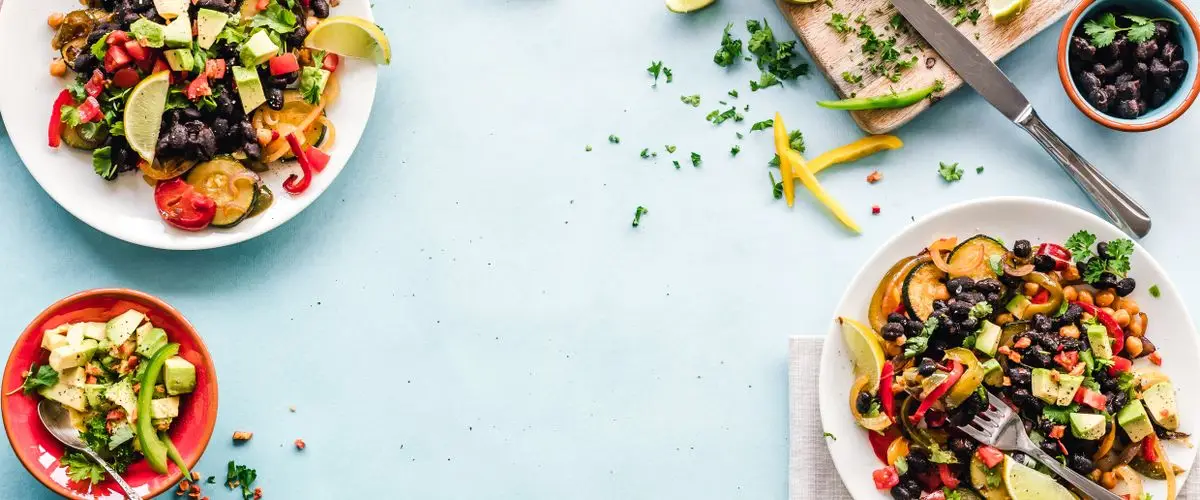
Nutrition is the invisible pillar of running performance. You can have the best training plan in the world, but if your diet does not keep up, your body will not perform, will not recover and will eventually get injured. The good news is that you do not need complicated diets or expensive supplements. You need the right foods at the right times.
In this article we have selected the 20 best foods for runners, organized into 4 categories: carbohydrates, proteins, healthy fats and superfoods. For each one we explain why it matters, when to eat it and how to incorporate it into your daily routine. If you are looking for a broader guide on runner nutrition, check our runner diet guide.
4 shelf-stable foods every runner should have at home: complex carbs, healthy fats, omega-3 seeds and the dark chocolate treat that's actually good for you. Affiliate links to Amazon Spain.
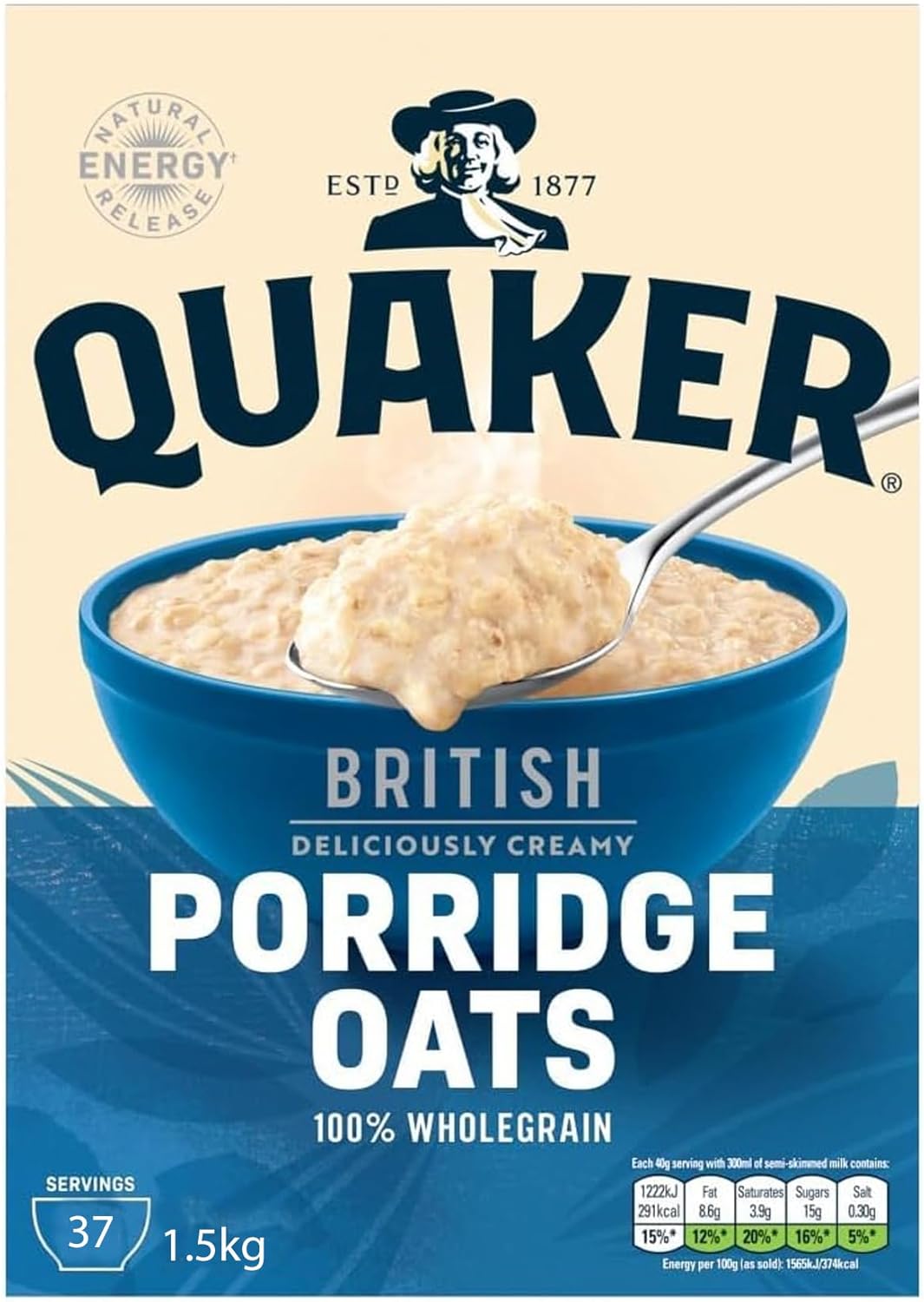
100% wholegrain · 37 servings · ~€15 — the slow-carb base for pre-run bowls.
View on Amazon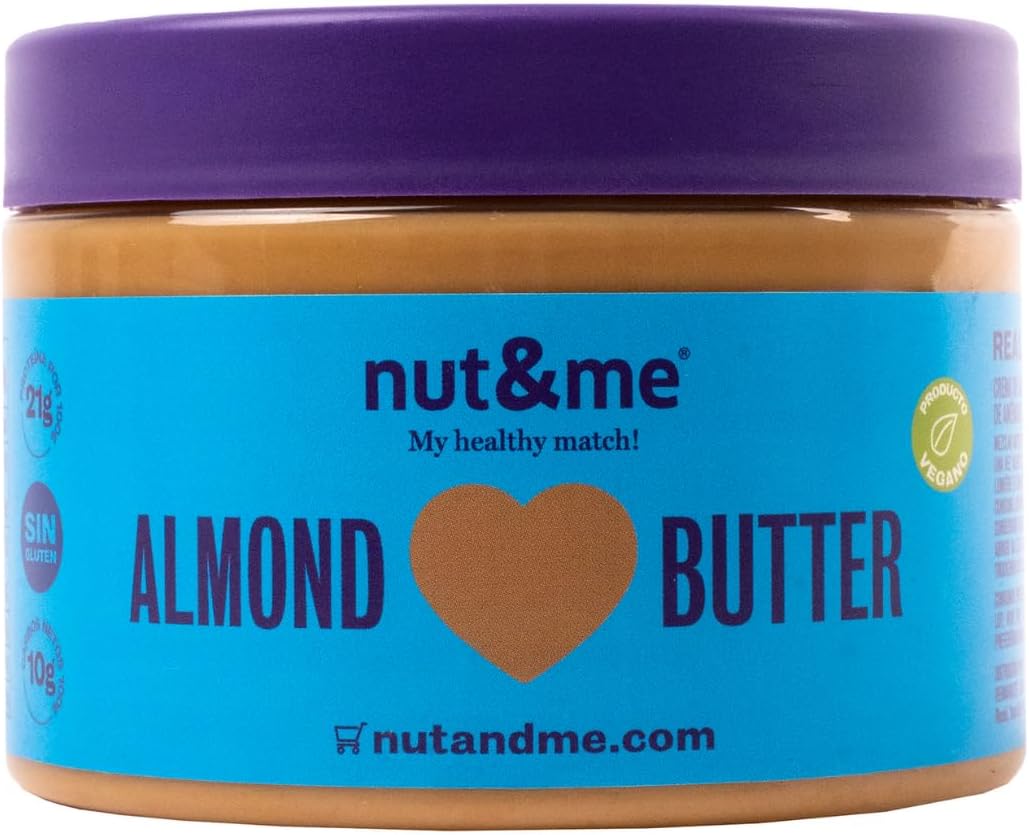
100% almonds · vegan · ~€10 — healthy fats + 21 g protein per 100 g.
View on Amazon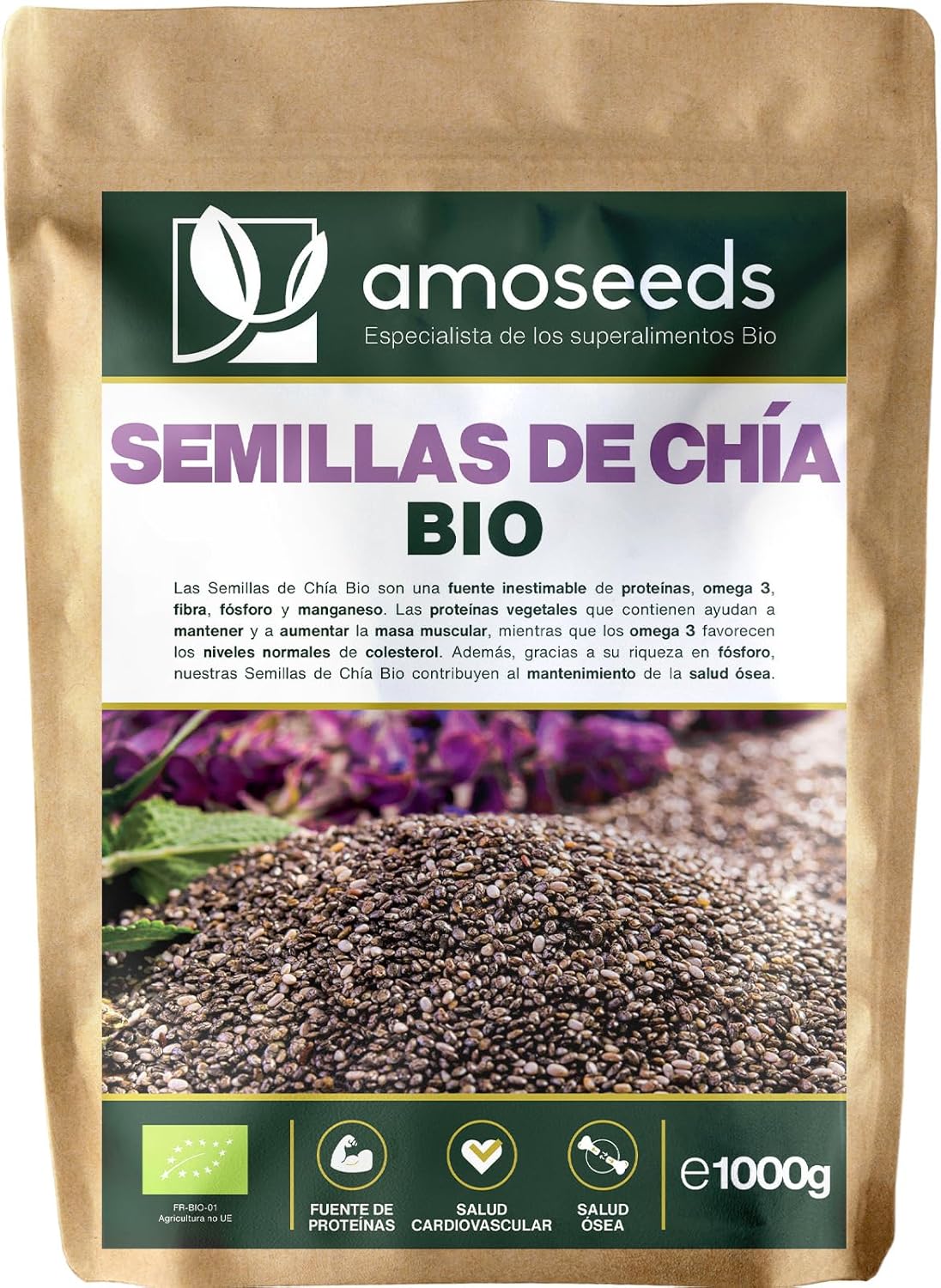
Organic · ~€14 — omega-3 + plant protein. Soak in milk for overnight oats.
View on Amazon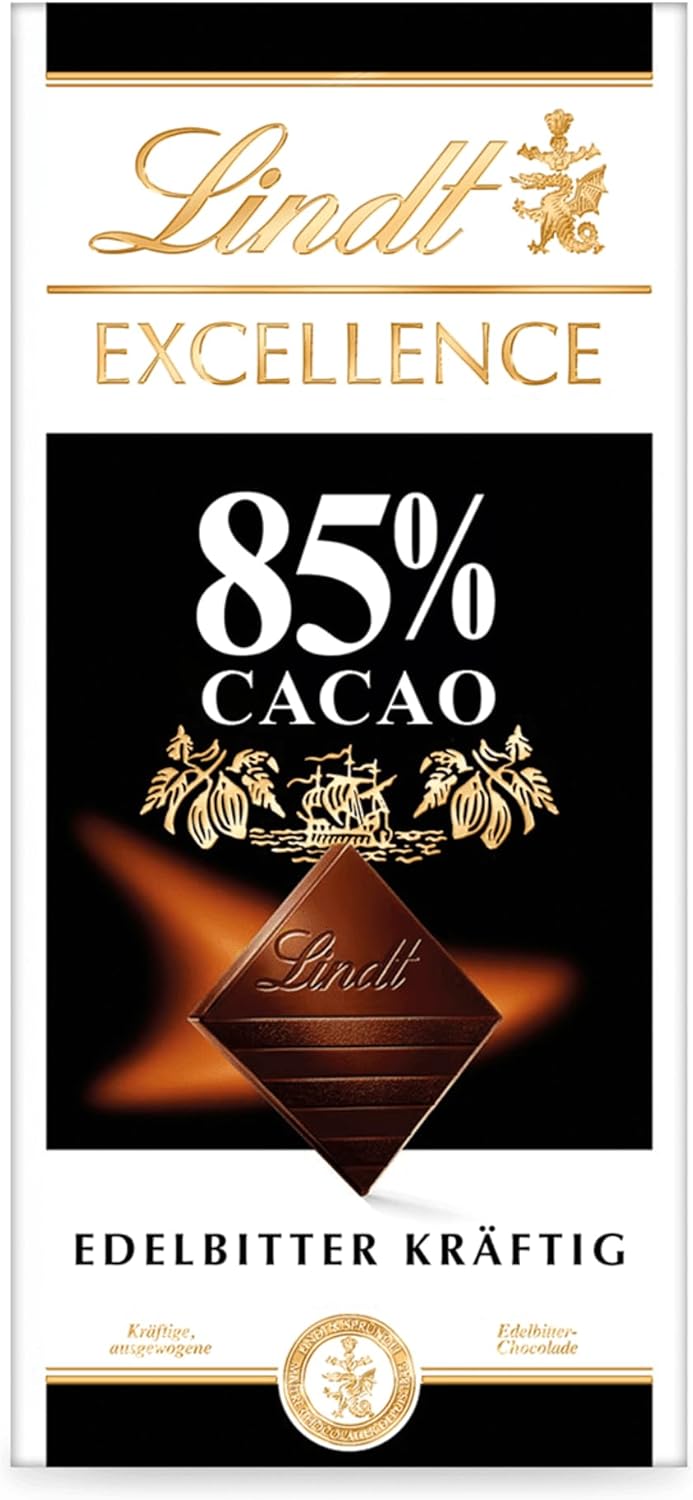
100 g bar · ~€4 — flavonols, magnesium and minimal sugar. Two squares post-run.
View on Amazon* Affiliate links — the price for you stays the same. Pair with our pre-run breakfast guide to build your daily fuel.
The 5 best carbohydrates for runners
Carbohydrates are your main fuel when you run. They account for between 50% and 65% of the energy your body uses during a run. These are the 5 essentials:
1. Oatmeal
Oatmeal is the perfect runner's breakfast. Its complex carbohydrates release energy gradually over hours, avoiding sugar spikes and crashes. It is also rich in fiber, iron and magnesium. Prepare it with milk or plant-based milk, add berries and a touch of honey. As a pre-run breakfast (2 hours before) or as a recovery meal after training.
2. Rice
White rice is the fastest-digesting carbohydrate, ideal for the pre-race dinner or post-workout meal when you need to replenish glycogen quickly. Brown rice is better for rest days due to its higher fiber and micronutrient content. A classic for good reason: affordable, versatile and effective.
3. Banana
The quintessential pre-run food. Easy to carry, easy to digest and packed with potassium (essential for preventing cramps). A banana 30-45 minutes before running gives you the quick energy you need without stomach heaviness. It is also perfect as an immediate recovery snack. If you have doubts about what to eat before running, the banana is always a safe bet.
4. Sweet potato
Sweet potato is a source of complex carbohydrates with a nutritional profile superior to that of white potato: more vitamin A, more potassium, more fiber and a lower glycemic index. Ideal for main meals on hard training days. Baked in the oven with a touch of cinnamon, it is both delicious and energy-replenishing.
5. Whole wheat pasta
The classic pre-race dinner remains pasta, and for good reasons: high carbohydrate density, easy to prepare and well tolerated by most stomachs. The whole wheat version adds fiber and micronutrients. Combine it with natural tomato sauce, vegetables and a lean protein.
The 5 best proteins for runners
Protein repairs the muscle damage from training and strengthens tendons and joints. Runners need between 1.2 and 1.6 g of protein per kilogram of body weight per day, spread across several meals.
1. Eggs
The most complete food that exists. One large egg provides 7 g of highly bioavailable protein, all B vitamins, choline (key for muscle function) and healthy fats. Affordable, quick to prepare and versatile. Eat 2-3 eggs per day without worry: science has debunked the cholesterol myth.
2. Chicken breast
The most accessible and versatile source of lean protein. A 5 oz (150 g) breast provides about 45 g of protein with very little fat. Easy to cook, pairs with everything and is the basis of thousands of quick recipes. Ideal for lunches and dinners on training days.
3. Salmon
Salmon combines high-quality protein with omega-3 fatty acids, which have a powerful anti-inflammatory effect. For runners, this translates to better recovery, less post-workout muscle soreness and joint protection. Eat salmon 2-3 times per week. You can also consider other anti-inflammatory foods for runners.
4. Legumes (lentils, chickpeas, beans)
The quintessential plant protein, with the added bonus of providing complex carbohydrates, iron and fiber. Lentils are the stars: 100 g cooked provides 9 g of protein and 20 g of carbohydrates. Perfect for vegetarian and vegan runners, but also for anyone who wants to diversify their protein sources.
5. Greek yogurt (plain)
Plain Greek yogurt (no added sugar) provides about 10 g of protein per 100 g, plus probiotics that benefit your gut health (something runners often neglect). As a post-workout snack with banana and nuts, or as part of breakfast with oatmeal and berries. Check our guide on what to eat after running for more recovery ideas.
The 5 best healthy fats
Fats are not the enemy. They are essential for vitamin absorption, hormone production and as an energy source during low-intensity efforts. The key is choosing the right ones.
1. Avocado
Rich in monounsaturated fats, potassium (more than banana) and vitamin E. Half an avocado per day is a perfect dose. Add it to toast, salads or smoothies. Its anti-inflammatory effect and caloric contribution make it a perfect ally for high-volume runners.
2. Nuts (almonds, walnuts, cashews)
A handful of nuts (30 g) provides healthy fats, protein, magnesium and vitamin E. Walnuts stand out for their omega-3 content. Almonds are the richest in calcium. Cashews provide iron and zinc. Perfect as a between-meal snack or as a yogurt and oatmeal topping.
3. Extra virgin olive oil
The pillar of the Mediterranean diet and one of the most studied foods in the world. Its polyphenols have an anti-inflammatory effect comparable to ibuprofen at regular doses. Use extra virgin olive oil raw on salads and vegetables. 2-3 tablespoons per day is the recommended amount.
4. Chia seeds
Small but powerful: chia seeds contain omega-3, fiber, calcium and protein in an impressive nutritional density. They also absorb up to 12 times their weight in water, aiding hydration. Add 1-2 tablespoons to smoothies, yogurt or oatmeal. Chia pudding (with milk and cacao) is a perfect dessert-snack for runners.
5. Dark chocolate (85%+)
Yes, chocolate is on the list. Dark chocolate with over 85% cacao is rich in antioxidant flavonoids, magnesium and iron. Recent studies suggest it can improve blood flow and oxygen efficiency during exercise. 20-30 g per day is enough. Best after training as a reward and recovery aid.
The 5 best runner superfoods
These foods are not magic, but they have specific properties that make them especially useful for runners:
1. Beetroot (beetroot juice)
Beetroot is rich in nitrates, which your body converts into nitric oxide. This dilates blood vessels, improves oxygen flow to muscles and can improve running efficiency by 1% to 3%. Drink 300-500 ml of beetroot juice 2-3 hours before competing. Many elite runners use it as a pre-race resource.
2. Ginger
A powerful natural anti-inflammatory and antioxidant. Ginger reduces post-exercise muscle pain and improves digestion (a common problem for long-distance runners). Add fresh grated ginger to smoothies, teas or vegetable stir-fries. 2-4 g per day is the effective dose.
3. Turmeric
Curcumin, its active compound, is one of the most potent natural anti-inflammatories in existence. For runners who accumulate joint and muscle inflammation from impact, turmeric can make a difference in recovery. Always consume it with black pepper (which multiplies its absorption by 20) and with some fat.
4. Honey
Honey is a fast-absorbing natural carbohydrate with antibacterial and antioxidant properties. It is a natural alternative to commercial energy gels: a tablespoon of honey during a long run works similarly. It is also perfect as a natural sweetener for oatmeal, yogurt and teas.
5. Spinach
Spinach is one of the most nutrient-dense vegetables: iron, calcium, magnesium, vitamin K, folate and antioxidants. Iron is especially important for runners, as repetitive impact destroys red blood cells (runner's hemolysis). Eat spinach raw in salads or sauteed, combined with vitamin C (lemon) to improve iron absorption.
Summary table: food, when and why
| Food | Category | When to eat it | Key benefit |
|---|---|---|---|
| Oatmeal | Carb | Breakfast (2h before) | Sustained energy, fiber, iron |
| Rice | Carb | Lunch/dinner pre-race | Quick glycogen replenishment |
| Banana | Carb | 30-45 min before running | Potassium, quick energy |
| Sweet potato | Carb | Lunch/dinner on training days | Vitamin A, low glycemic index |
| Whole wheat pasta | Carb | Pre-race dinner | High energy density |
| Eggs | Protein | Breakfast / post-workout | Complete protein, B vitamins |
| Chicken | Protein | Lunch/dinner | Lean protein, versatile |
| Salmon | Protein | Lunch/dinner (2-3x week) | Omega-3, anti-inflammatory |
| Legumes | Protein | Main meal | Plant protein + iron + fiber |
| Greek yogurt | Protein | Snack / post-workout | Probiotics, calcium, protein |
| Avocado | Fat | Breakfast/lunch | Mono fats, potassium, vitamin E |
| Nuts | Fat | Between-meal snack | Magnesium, omega-3, protein |
| Olive oil | Fat | Raw, dressings | Anti-inflammatory polyphenols |
| Chia seeds | Fat | Smoothies, yogurt, oatmeal | Omega-3, fiber, hydration |
| Dark chocolate | Fat | Post-workout / snack | Flavonoids, magnesium, iron |
| Beetroot | Super | 2-3h before competing | Nitrates, improves O2 efficiency |
| Ginger | Super | Teas / smoothies | Anti-inflammatory, digestion |
| Turmeric | Super | With meals (+ pepper) | Curcumin anti-inflammatory |
| Honey | Super | Pre/during/post run | Fast natural energy |
| Spinach | Super | Salads / sauteed | Iron, magnesium, antioxidants |
Weekly meal plan for runners
This plan is designed for a runner who trains 4-5 days per week. Adjust the portions to your weight and caloric needs. Training days have more carbohydrates; rest days have more protein and healthy fats.
| Day | Breakfast | Lunch | Dinner | Snacks |
|---|---|---|---|---|
| Monday (training) | Oatmeal with banana, walnuts and honey | Rice with chicken and stir-fried vegetables | Baked salmon with sweet potato and spinach | Greek yogurt with blueberries |
| Tuesday (rest) | Whole wheat toast with avocado and 2 eggs | Lentil salad with spinach and tomato | Omelet with mixed salad | Handful of almonds + dark chocolate |
| Wednesday (training) | Smoothie: banana + oats + milk + chia | Whole wheat pasta with tuna and natural tomato | Grilled chicken with rice and broccoli | Banana with peanut butter |
| Thursday (training) | Oatmeal with Greek yogurt and berries | Chickpeas with vegetables and poached egg | Salmon with quinoa and spinach | Nuts + apple |
| Friday (rest) | Whole wheat toast with avocado and smoked salmon | Complete salad: chicken, avocado, walnuts, tomato | Sweet potato soup with ginger and turmeric | Greek yogurt with chia seeds |
| Saturday (long run) | Oatmeal with banana and honey (2h before) | Rice with chicken and wok vegetables | Whole wheat pasta with homemade bolognese | Post-run recovery smoothie |
| Sunday (rest) | Scrambled eggs with spinach and toast | Legume stew with vegetables | White fish with potato and salad | Dark chocolate + nuts |
Frequently asked questions
What is the best food to eat before running?
The banana is the quintessential pre-run food: easy to digest, rich in potassium and with fast-absorbing carbohydrates. Eat one 30-45 minutes before heading out. For long runs, combine a banana with some oatmeal 1-2 hours before for sustained energy.
How many grams of protein does a runner need per day?
Runners need between 1.2 and 1.6 grams of protein per kilogram of body weight per day. A 155 lb (70 kg) runner would need between 84 and 112 g daily. If you train more than 5 days a week or are preparing for a marathon, aim for the higher end. Spread your protein across 4-5 meals throughout the day.
Do I need supplements if I eat well?
With a varied and balanced diet, most recreational runners do not need supplements. However, there are exceptions: iron (especially for female runners), vitamin D (if you train indoors or in winter), and magnesium (if you get frequent cramps) may require supplementation. Consult a sports nutritionist before supplementing.
What should I eat after a long run?
In the 30-60 minutes after a long run, prioritize a meal with a 3:1 ratio of carbohydrates to protein. Example: rice with chicken and vegetables, or a banana smoothie with oatmeal and protein. The carbohydrates replenish muscle glycogen and the protein initiates muscle repair.
Should runners avoid fats?
No. Healthy fats are essential for runners: they regulate hormones, reduce inflammation and are a key energy source during low-intensity efforts. The key is to choose quality fats (avocado, nuts, olive oil, fatty fish) and avoid trans fats and ultra-processed foods.
Train better with CorrerJuntos
Find training partners, share your nutrition routines and never run alone. Free.