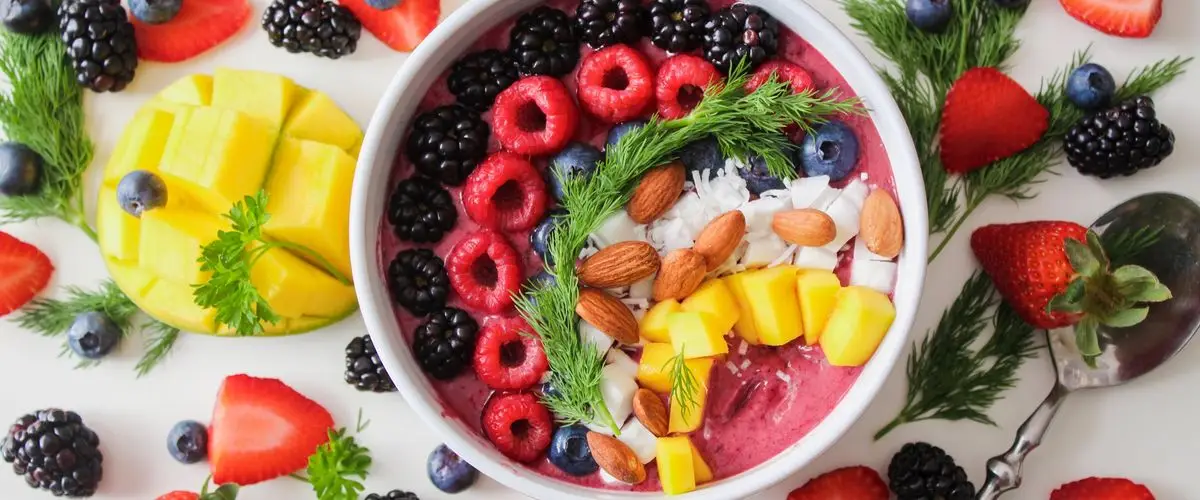
8 Best Breakfasts Before Running
runner nutrition guide before your morning run for maximum energy and zero stomach problems. Tested by real runners.
runner nutrition guide before your morning run for maximum energy and zero stomach problems. Tested by real runners.
Your body needs fuel to perform, but it also needs time to digest that fuel. Eat too close to your run and you risk cramps, nausea, or worse. Eat too early and the energy is already spent before you lace up. Finding the sweet spot is one of the most practical skills a runner can develop.
The general rule is straightforward: the larger the meal, the more time you need. A full breakfast needs 2-3 hours. A light snack works with just 30-60 minutes. Most runners settle on 90 minutes as the ideal window for a moderate pre-run meal. For a deeper look at overall runner nutrition, see our complete runner diet guide.
Your pre-run meal should be high in carbohydrates, moderate in protein, and low in fat and fiber. Carbs are your muscles' preferred fuel. Fat and fiber slow digestion and can cause gastrointestinal distress during the run. This is not the time for a high-protein, high-fat breakfast.
The gold standard. Cook 60g of oats with water or milk, top with a sliced banana and a tablespoon of honey. Slow-release carbs, potassium, and quick energy. Eat 90-120 minutes before your run. This is the breakfast that most experienced runners default to on training mornings.
Two slices of white or whole grain toast, a thin spread of peanut butter, and banana slices. The combination of simple carbs, a touch of protein, and natural sugars gives you steady energy without heaviness. Ready in 3 minutes, eat 60-90 minutes before.
When time is extremely short, this is your go-to. A banana and 3-4 medjool dates can be eaten 30 minutes before running. Pure carbohydrates, natural sugars, and potassium. Zero cooking, zero cleanup, zero stomach issues for most runners.
Light, easily digestible, and surprisingly effective. Two rice cakes with honey give you quick-release carbs without any stomach issues. The pinch of salt helps with electrolyte balance. This is a favorite among ultramarathon runners for its simplicity and digestibility.
Blend a banana, a handful of frozen berries, 200ml of milk or juice, and a tablespoon of oats. Liquid meals digest faster than solid ones, making this ideal when you have 45-60 minutes before your run. It hydrates you simultaneously, which is a bonus for morning runners.
Find your running with a group
1,100+ runners already train together. Free on iOS.
A plain or sesame bagel with strawberry or grape jam. High in easily accessible carbs and almost zero fat. This is a classic race-morning breakfast for a reason: it sits well in the stomach, provides plenty of energy, and tastes good even when pre-race nerves are high. Eat 90-120 minutes before.
150g of Greek yogurt, a small handful of low-fat granola, and fresh berries. This option works best with 90+ minutes before your run because the protein takes longer to digest. It is particularly good before long easy runs where sustained energy matters more than quick release.
A commercial energy bar with a carb-to-protein ratio of 3:1 or 4:1 paired with a glass of water. Not the most exciting option, but incredibly convenient for early morning runs when cooking is the last thing you want to do. Keep a box by your bed and eat one 30-45 minutes before heading out. For more grab-and-go options, see our best energy snacks for runners.
Bacon, sausage, cheese omelets, and buttery pastries all sit heavy in the stomach. Fat takes the longest of all macronutrients to digest, and undigested food bouncing around during a run is a recipe for nausea. Save the full fry-up for after your run.
Bran cereals, large quantities of raw vegetables, and high-fiber bread can cause bloating, gas, and urgency during your run. Fiber is essential in a runner's overall diet, but the pre-run meal is not the time for it. For more on avoiding digestive problems, read our guide to avoiding stomach issues while running.
Spicy eggs, hot sauce, or citrus-heavy smoothies can trigger acid reflux during the bouncing motion of running. Even if you tolerate them well when sitting still, the repeated impact of running can push stomach contents upward. Keep pre-run food bland.
For easy runs under 45 minutes, many runners do fine on an empty stomach. Your body has enough stored glycogen from the previous day's meals to fuel a short, low-intensity effort. Some runners prefer fasted morning runs because they feel lighter and avoid any risk of stomach discomfort.
For hard workouts, intervals, tempo runs, and anything over 60 minutes, eating beforehand makes a measurable difference. Without breakfast, you will hit the wall sooner, struggle to maintain intensity, and feel the session more than you should. Performance suffers, and the whole point of training is adaptation through quality effort.
Caffeine is one of the most researched and proven performance enhancers for endurance sports. A cup of coffee 30-60 minutes before running can reduce perceived effort, improve endurance, and enhance fat utilization. For most runners, 1-2 cups of coffee is an effective and safe pre-run habit.
Coffee stimulates bowel activity, which is actually an advantage for many morning runners who want to clear their system before heading out. However, if coffee causes excessive urgency or diarrhea for you, experiment with timing or switch to tea, which has lower caffeine but similar benefits.
A banana or a couple of dates is enough, or run fasted if you prefer. This is a low-energy-demand session that does not require serious fueling. Have your full breakfast afterward as a recovery meal. See our post-run recovery nutrition guide for what to eat after.
Full breakfast 2-3 hours before: oatmeal with banana, or a bagel with jam plus a banana. You need significant glycogen stores for this effort. Do not skip breakfast before a long run, even if it means waking up earlier.
Moderate breakfast 90-120 minutes before: toast with peanut butter, or rice cakes with honey. You want accessible energy without any heaviness. Stick to foods you have tested extensively in training. More meal ideas in our quick recipes for runners.
4 ingredients that cover 90% of solid pre-run breakfasts: slow-release oats, plant protein and 2 simple-carb toppings. All shelf-stable. Affiliate links to Amazon Spain.
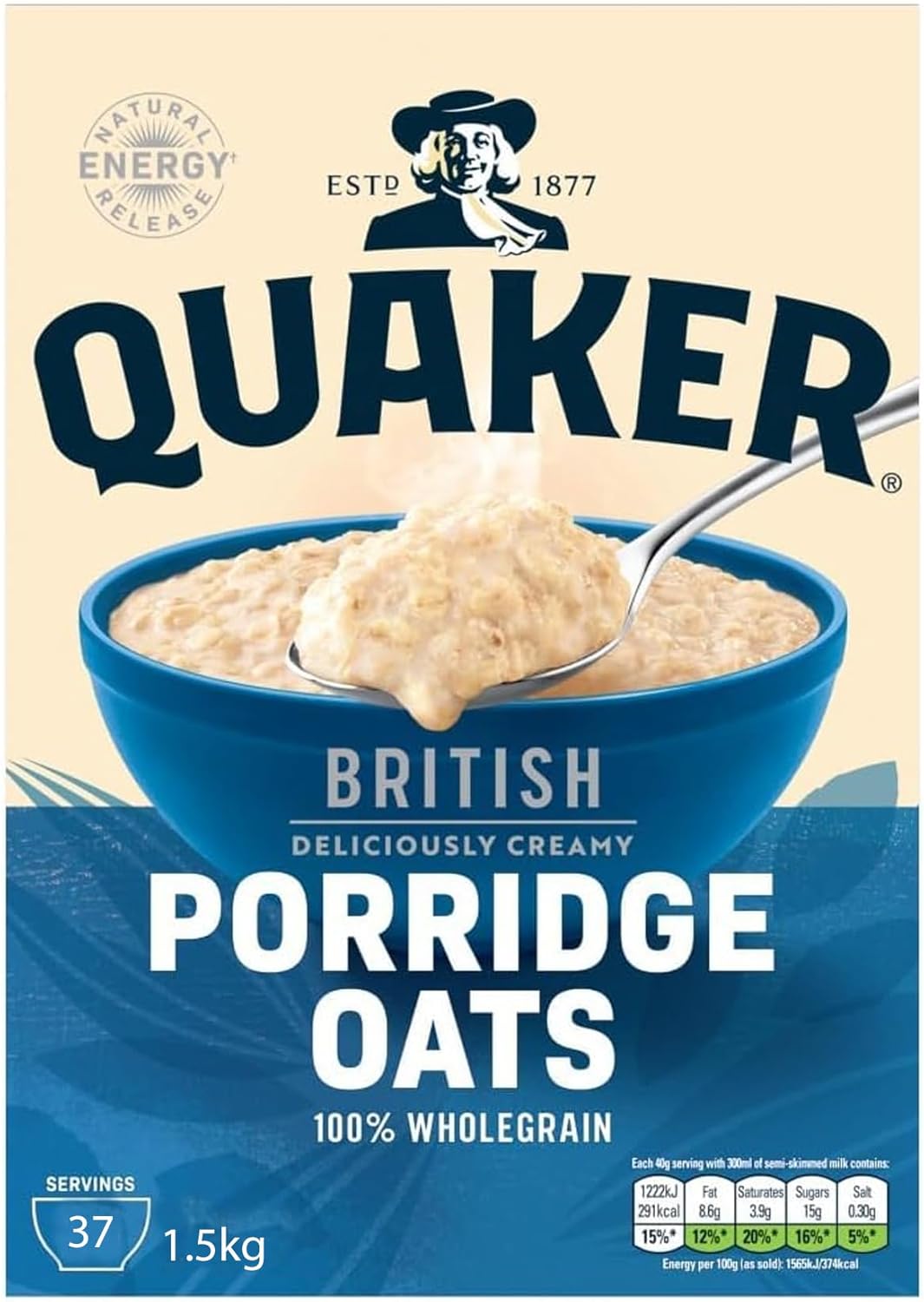
Quaker Porridge Oats 1.5 kg
100% wholegrain · 37 servings · ~€15 — the 2-3h pre-run breakfast base.
View on Amazon
HSN Smooth Peanut Butter 1 kg
100% peanuts · no palm oil · ~€13 — for the toast + banana + PB classic.
View on Amazon
Raw Honey 100% Pure · Spain
Unfiltered, unheated · ~€20 — fructose + glucose for fast carbs on toast.
View on Amazon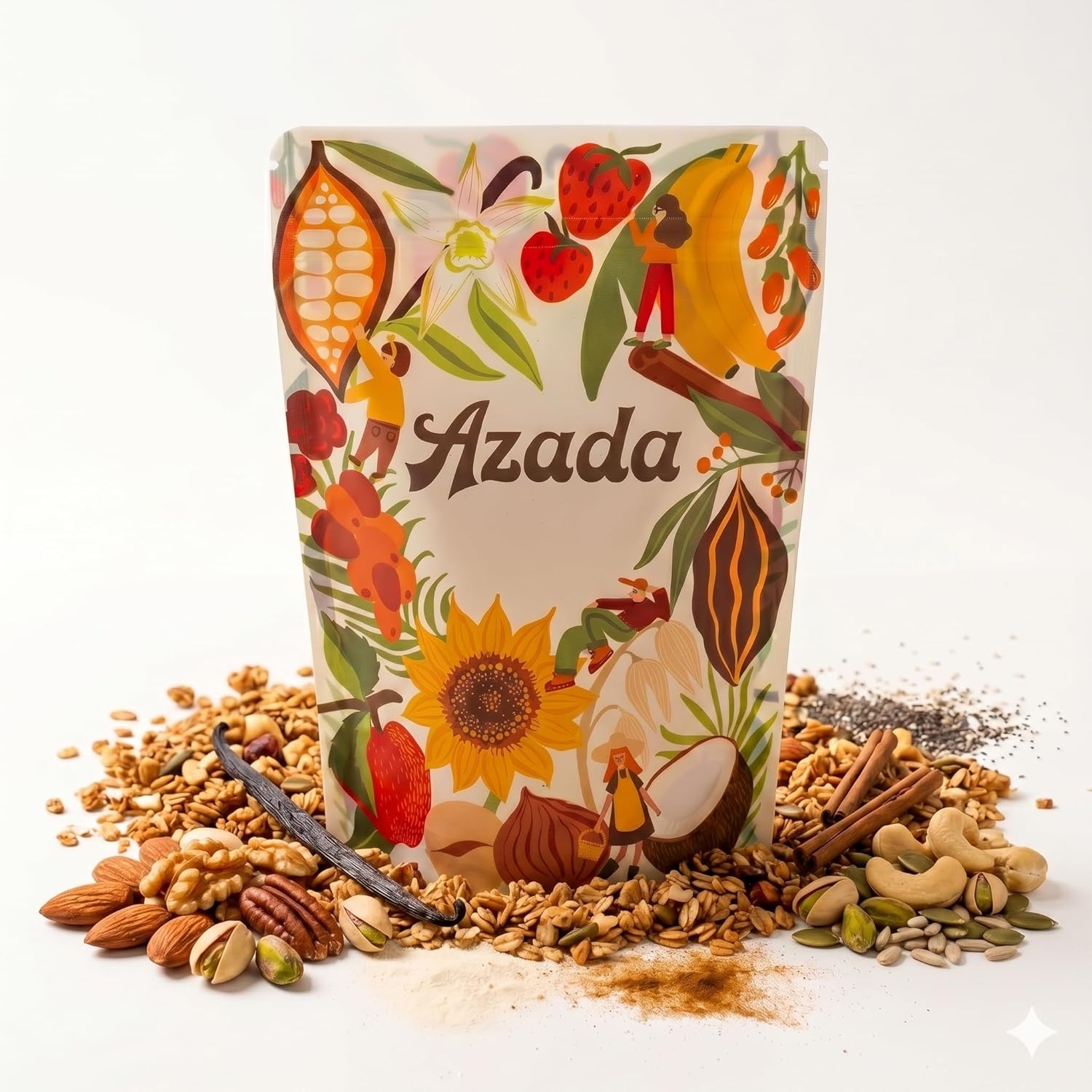
AZADA Protein Granola
No added sugar · nuts + seeds · ~€15 — for the Greek-yogurt-with-granola option.
View on Amazon* Affiliate links — the price for you stays the same. Test every breakfast in training before race day.
Find running groups in your city. Free on iOS.
Join 1,100+ runners
Routes, training plans and tips to run better. No spam.
We respect your privacy. Unsubscribe anytime.