Iron for Runners: How to Prevent Anemia
Why runners lose more iron, how to spot deficiency early, and runner nutrition guide to keep your levels optimal.
Why runners lose more iron, how to spot deficiency early, and runner nutrition guide to keep your levels optimal.
Iron is the mineral that carries oxygen to your muscles. Without enough of it, your blood cannot deliver the oxygen your working muscles desperately need during a run. Think of iron as the delivery truck for your fuel: no truck, no delivery, no performance.
Hemoglobin, the protein in red blood cells responsible for oxygen transport, depends on iron to function. When iron stores drop, hemoglobin production slows, and your muscles receive less oxygen. The result is fatigue that no amount of rest seems to fix, paces that feel harder than they should, and a frustrating plateau in your training.
Research shows that iron deficiency is the most common nutritional problem among endurance athletes, affecting up to 35% of female runners and 11% of male runners. For a full overview of runner nutrition, see our complete runner diet guide.
Every time your foot hits the ground, the impact destroys a small number of red blood cells in the capillaries of your feet. Over thousands of steps per run, this adds up. High-mileage runners on hard surfaces lose significantly more iron this way than those running on softer terrain or at lower volumes.
Iron is lost through sweat, though in small amounts. More significantly, intense running can cause microscopic bleeding in the gastrointestinal tract, especially during hard efforts or races. Runners who regularly use NSAIDs like ibuprofen increase this GI bleeding risk substantially.
Your body responds to training by producing more red blood cells, which requires more iron. When you ramp up mileage or intensity, iron demand spikes. If your diet does not keep pace with this increased need, stores will gradually deplete over weeks or months.
The most frustrating thing about iron deficiency is that it mimics overtraining. Your easy runs feel unusually hard. Your heart rate is elevated at paces that used to be comfortable. You feel winded climbing stairs. If you have been training consistently but your times are getting worse instead of better, iron should be one of the first things you check.
Beyond performance, look for these warning signs: persistent fatigue even after rest days, pale skin and nail beds, cold hands and feet, brittle or spoon-shaped nails, headaches, and dizziness when standing up quickly. Some runners also notice increased susceptibility to illness and unusually slow recovery from workouts.
A standard blood count alone is not enough. Ask your doctor for a complete iron panel that includes serum ferritin, serum iron, transferrin saturation, and total iron-binding capacity (TIBC). Ferritin is the most important marker: it reflects your iron stores before hemoglobin drops. A ferritin level below 30 ng/mL warrants attention for runners, even if it falls within the general population's normal range.
Find your running with a group
1,100+ runners already train together. Free on iOS.
Heme iron, found in animal products, has an absorption rate of 15-35%. The best sources are lean red meat (beef, lamb), organ meats like liver, dark-meat poultry, sardines, and mussels. You do not need to eat red meat daily: 2-3 servings per week is enough to maintain healthy iron stores for most runners.
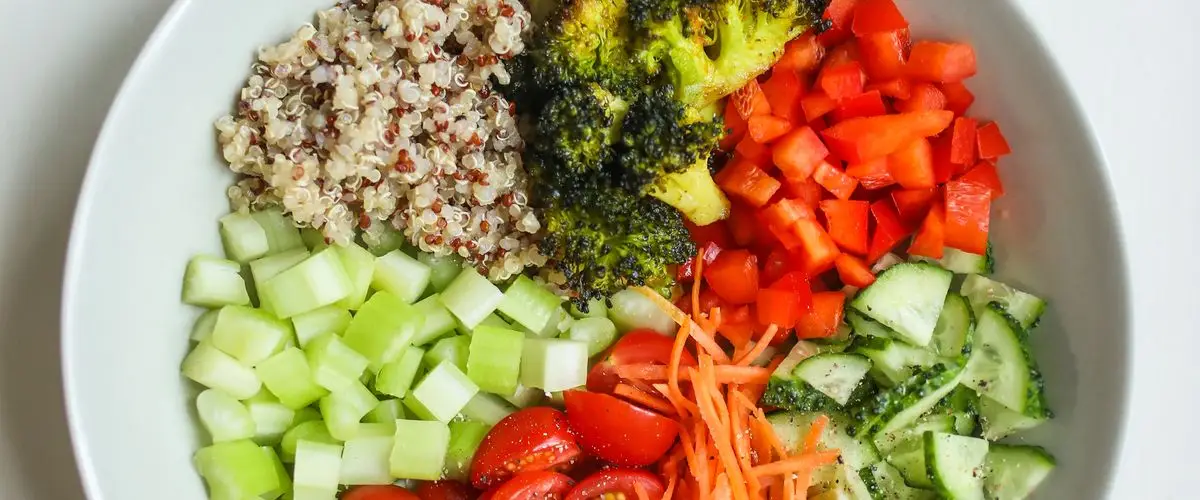
Non-heme iron has a lower absorption rate (2-20%), but it still counts significantly when combined with the right enhancers. Top plant sources include lentils, chickpeas, kidney beans, spinach, fortified cereals, pumpkin seeds, quinoa, and dark chocolate. If you follow a vegetarian diet, read our detailed vegetarian diet for runners guide.
Vitamin C dramatically increases non-heme iron absorption. Add a squeeze of lemon to your lentil soup, eat an orange with your spinach salad, or include bell peppers in your iron-rich meals. On the flip side, calcium, coffee, tea, and whole grains can inhibit absorption when consumed at the same meal as iron-rich foods. Space your coffee at least an hour away from iron-rich meals.
Iron supplements should only be taken when blood tests confirm a deficiency. Self-supplementing is dangerous because excess iron is toxic and can damage your liver, heart, and other organs. If your ferritin is below 30 ng/mL and you are symptomatic, your doctor may recommend supplementation.
Ferrous sulfate is the most commonly prescribed and least expensive. Ferrous bisglycinate (chelated iron) tends to be gentler on the stomach and better absorbed. Liquid iron supplements offer an alternative for those who cannot tolerate tablets. Your doctor will recommend the appropriate type and dosage based on your levels.
Take iron supplements on an empty stomach with vitamin C (orange juice works well) for maximum absorption. Avoid taking them with calcium-rich foods, coffee, or tea. Side effects like constipation and stomach upset are common, and taking supplements every other day rather than daily may actually improve absorption while reducing side effects.
3 bisglycinate iron supplements (best tolerated) + 1 high-dose vitamin C (multiplies absorption). Only under medical prescription. Affiliate links to Amazon Spain.
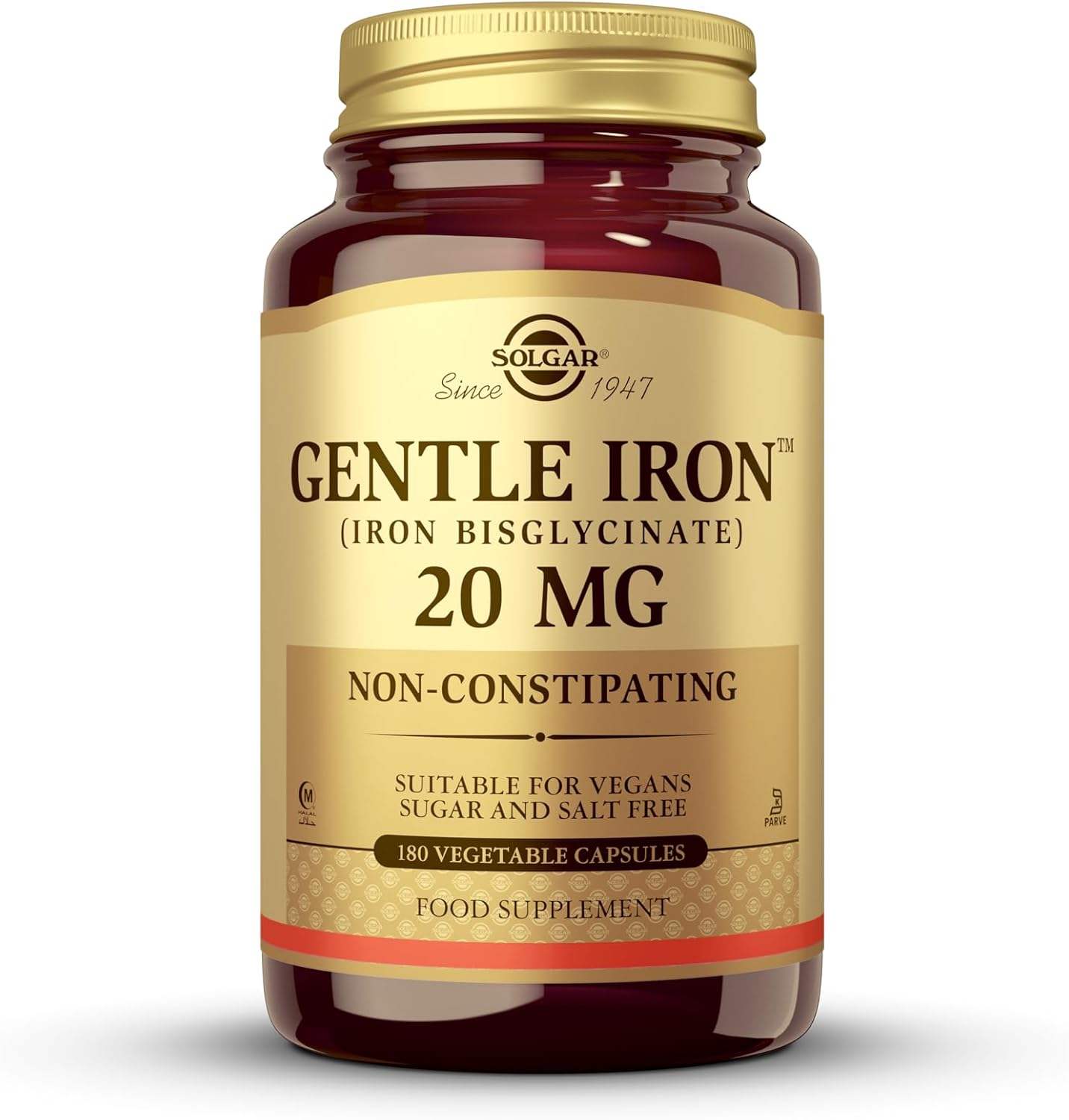
Solgar Gentle Iron
20 mg bisglycinate · 180 caps · ~€19 — the pharmacy benchmark. Non-constipating.
View on Amazon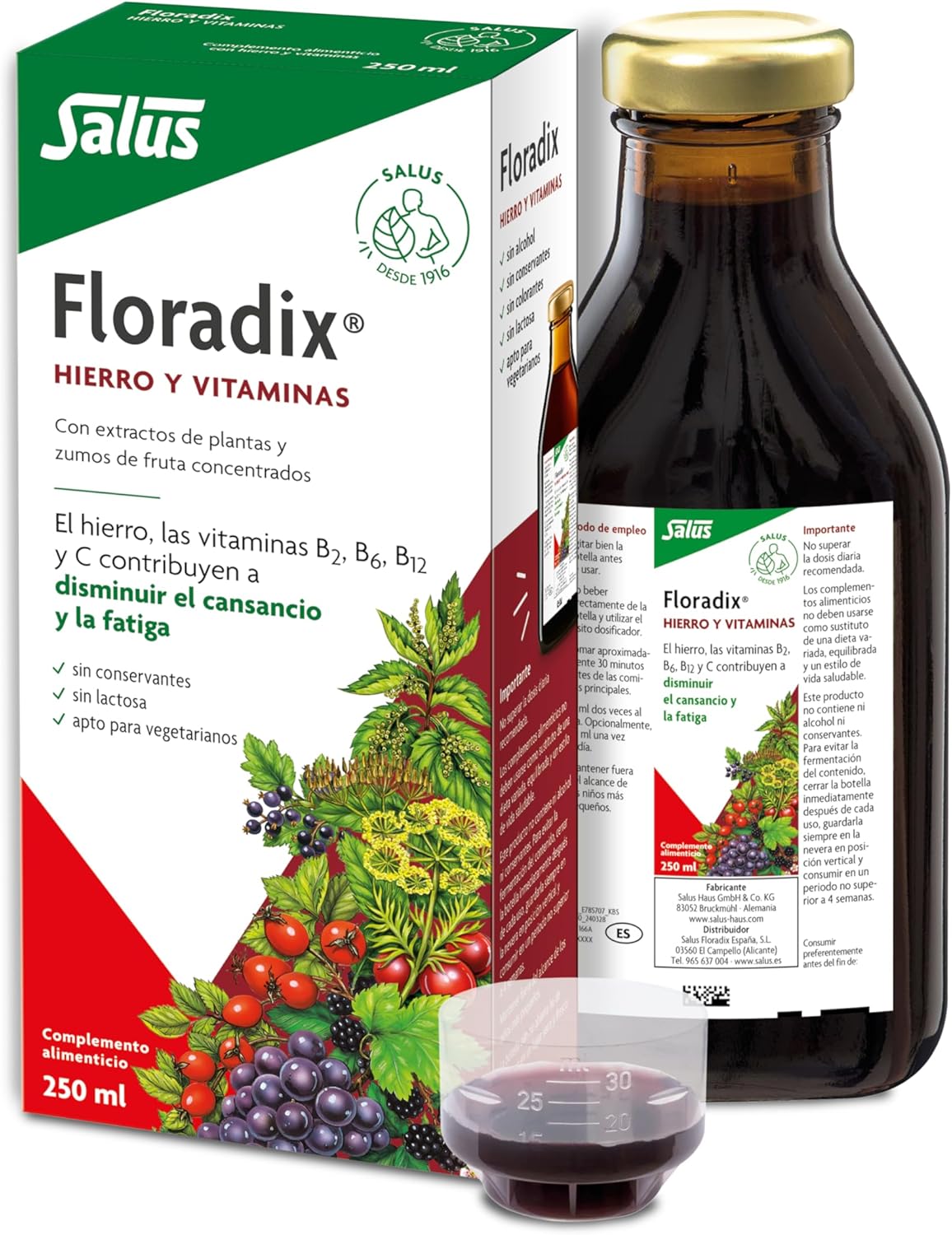
Floradix Liquid Iron
250 ml · organic iron + B2 B6 B12 C · ~€15 — liquid format, gentler digestion.
View on Amazon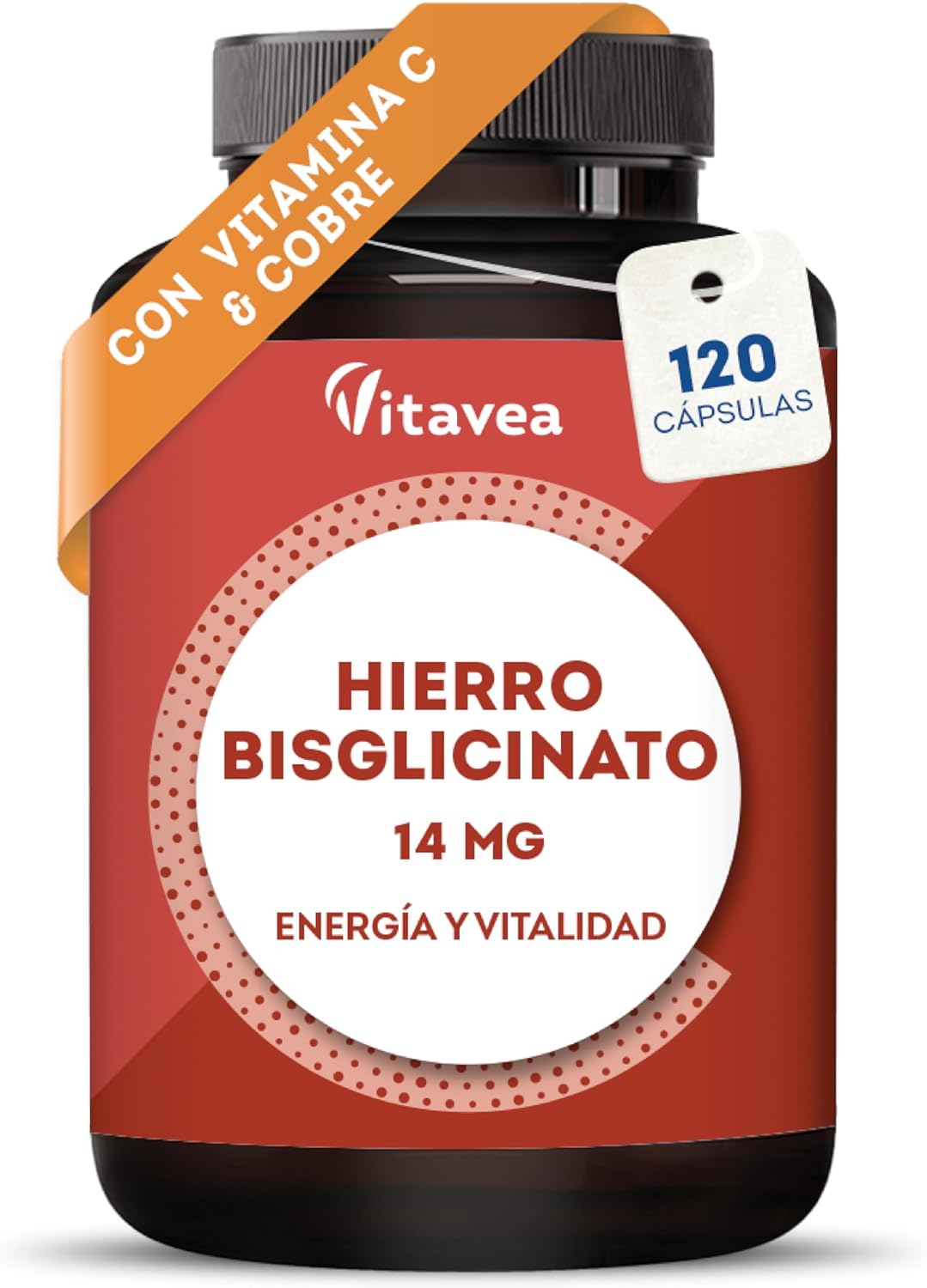
Vitavea Bisglycinate + Vit C
14 mg + Vit C · 120 caps · ~€15 — classic RDA dose with absorption cofactor.
View on Amazon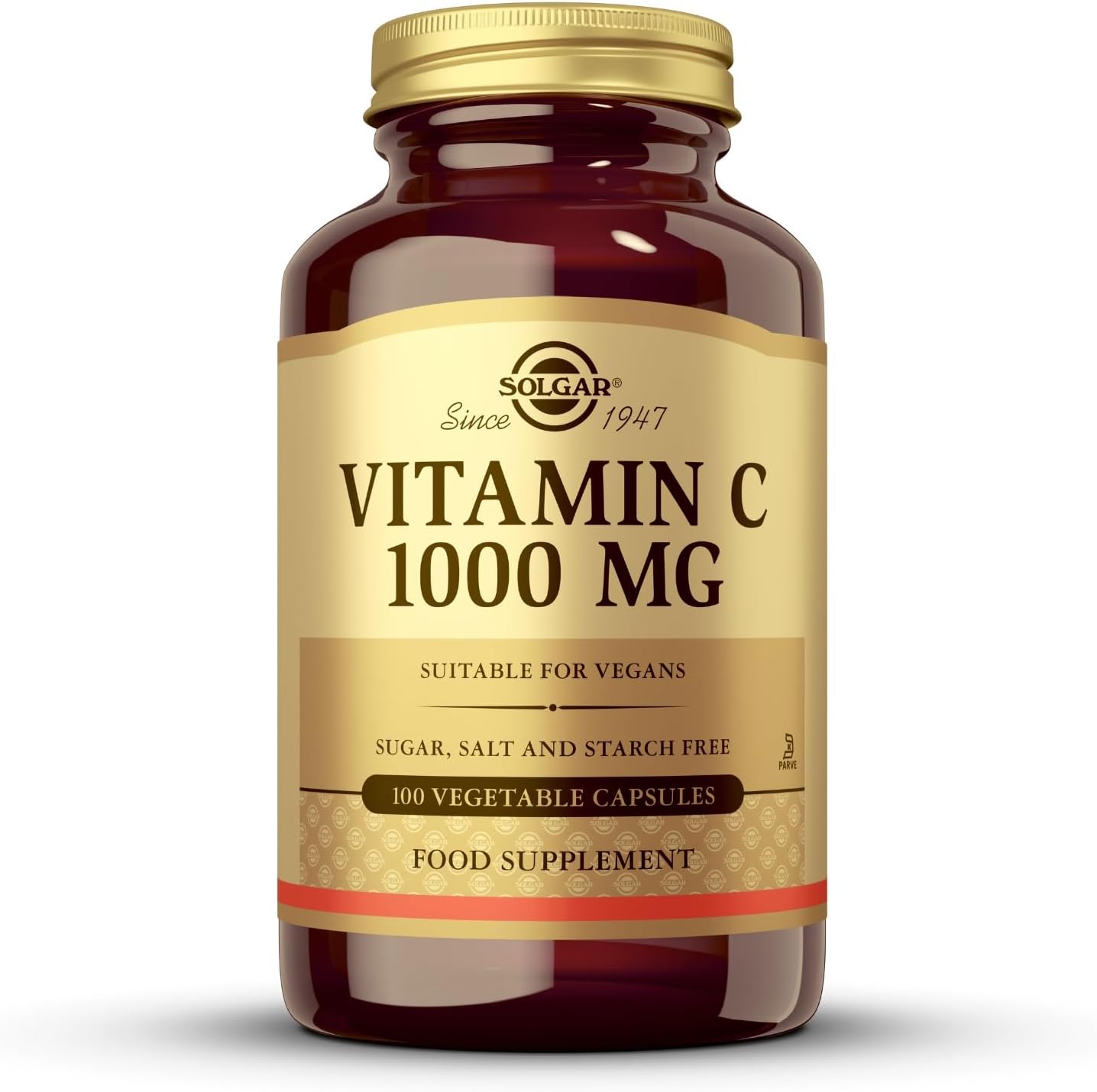
Solgar Vitamin C 1000 mg
100 vegan caps · ~€17 — take alongside iron to multiply absorption.
View on Amazon* Affiliate links — the price for you stays the same. Always consult a doctor before supplementing iron: excess is toxic.
Prevention is far easier than treating a deficiency. Include iron-rich foods in at least two meals per day. Make lentil soup or chili a weekly staple. Snack on pumpkin seeds and dark chocolate. Add spinach to your omelets and smoothies. These small habits compound over time to keep your stores full. For meal ideas, check our quick recipes for runners.
Cooking acidic foods like tomato sauce in a cast iron pan can increase the iron content of your food by 2-3 times. It is a passive strategy that requires zero extra effort once you have the pan. This is especially helpful for vegetarian and vegan runners.
Iron needs fluctuate with training load. During high-mileage training blocks or race preparation, pay extra attention to iron intake. Schedule blood tests before and during peak training. If you are a female runner, track your menstrual cycle alongside training to identify periods of greatest iron vulnerability. A proactive approach to post-run recovery nutrition also helps maintain mineral balance.
Find running groups in your city and share tips with fellow runners.
Join 1,100+ runners
Routes, training plans and tips to run better. No spam.
We respect your privacy. Unsubscribe anytime.