
Running is one of the easiest sports to begin: you need little gear, you can do it almost anywhere, and you can adjust it to your level from day one. It also improves cardiovascular health, supports weight loss, and boosts mood.
This guide is designed for people who have never run before, for anyone who wants to start running with structure, and for beginner runners looking for a clear plan.
1. Why start running
Starting to run improves stamina, strengthens your heart, and helps manage stress. It is also a practical way to build healthy habits progressively.
With only 3 sessions per week, many beginners notice better sleep, more daily energy, and improved mental well-being.
2. What you need to start
You do not need expensive equipment, but these basics make a big difference:
- Running shoes that fit your gait and comfort needs.
- Breathable clothing for freedom of movement.
- Hydration plan for longer sessions.
- Simple structure to progress safely.
3. How to start running step by step
- Start easy: combine walking and light jogging.
- Control pace: keep conversational effort in early weeks.
- Respect recovery: leave rest days between sessions.
- Progress gradually: increase duration little by little.
4. Beginner training plan
| Weeks | Main goal | Recommended sessions |
|---|---|---|
| Week 1-2 | Walk + easy jog | 3 days: 5 min walk + 1 min jog / 2 min walk (repeat 6-8 times) |
| Week 3-4 | More running time | 3 days: 5 min walk + 3 min jog / 2 min walk (repeat 5-6 times) |
| Week 5-6 | Run 20-30 min continuously | 3 days: progress from 15 min to 20-30 min continuous easy running |
5. Tips to avoid injuries
- Warm up for 5-10 minutes before running.
- Avoid large weekly increases in duration or distance.
- Do not ignore persistent pain.
- Add basic strength work (legs, core, glutes) twice per week.
- Prioritize sleep and recovery.
6. How to stay motivated
Set short and measurable goals, such as completing 3 sessions weekly or running continuously for 20 minutes. Small wins build long-term consistency.
Running with others helps a lot too: social accountability and shared progress reduce drop-off during the first months.
Recommended gear

Running shoes
Starter essentialIdeal for beginner runners.
Proper running shoes reduce impact and improve stride stability.
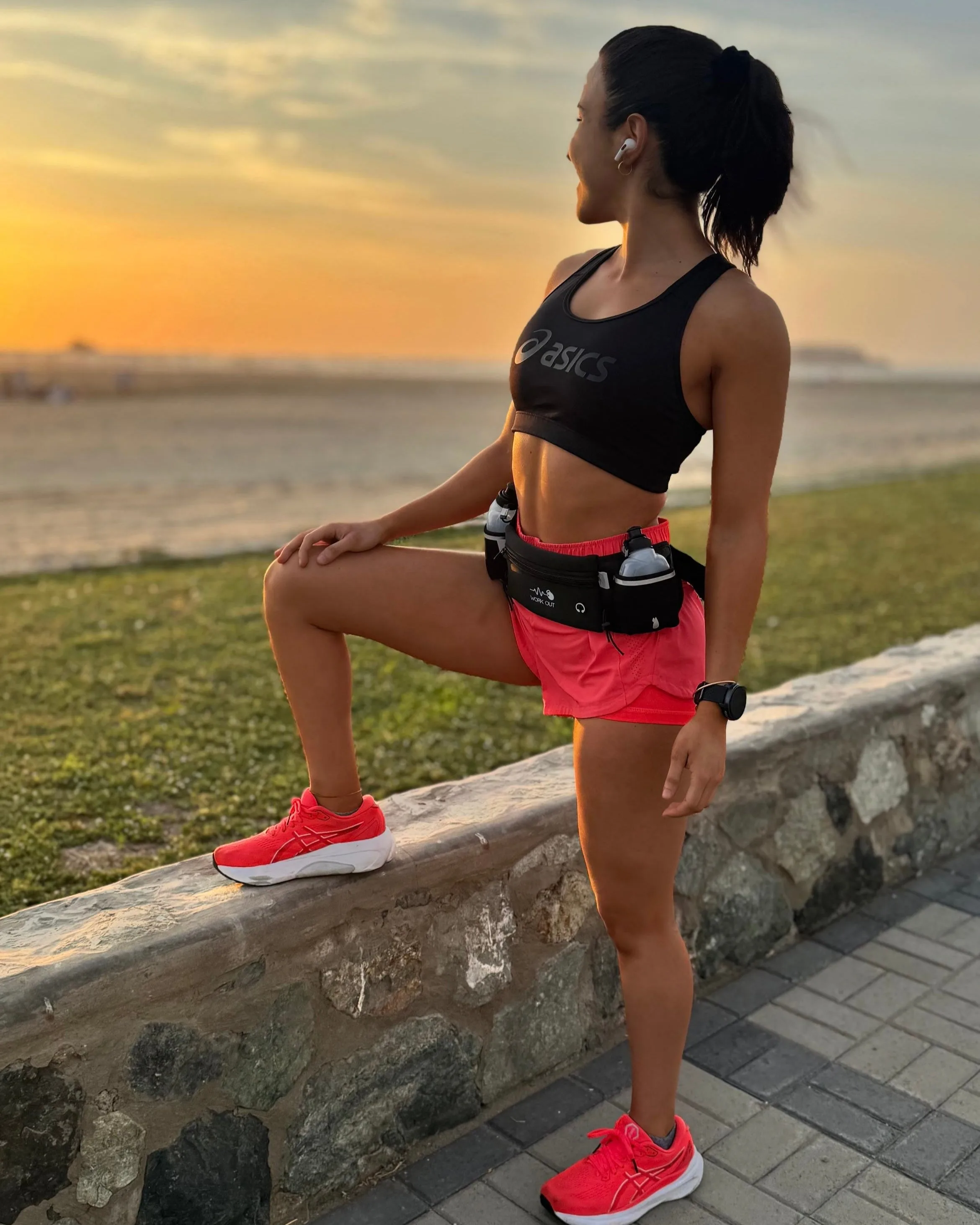
Phone running belt
Useful accessoryIdeal for beginner runners.
Helps you run hands-free and keeps essentials secure.
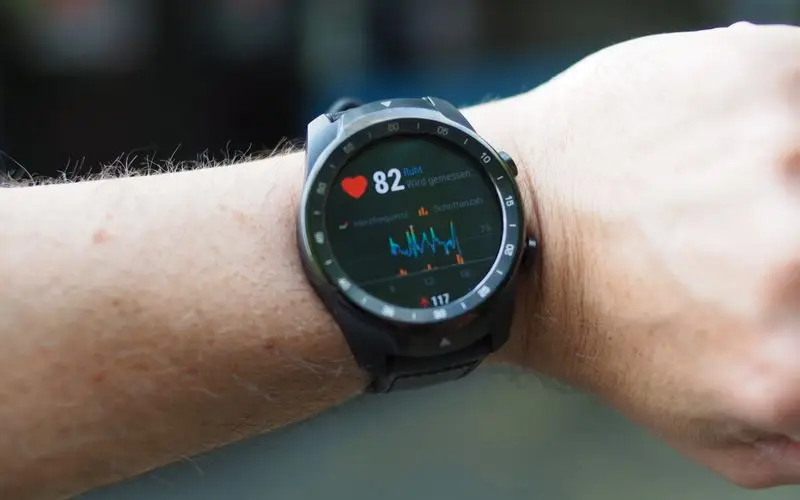
GPS watch
Highly recommendedIdeal for beginner runners.
Metrics help you manage effort and progress safely.

Running socks
Basic essentialIdeal for beginner runners.
Technical socks reduce blister risk and improve foot feel.
FAQ
Is it good to start running if I have never done sports before?
Yes, if you begin progressively and match training load to your current level.
How long should I run if I am a beginner?
Start with short jog intervals and walking breaks. Within weeks, many beginners can run 20-30 minutes continuously.
Is it better to run or walk when starting out?
A combination is usually best to build fitness while managing fatigue and impact.
How many days per week should I run?
For most beginners, 3 days per week works well for progress and recovery.
Start running with other people
If you want to start running with other people, you can find nearby partners at:
https://www.correrjuntos.com
Go to CorrerJuntos