
Half Marathon Training Plan for Beginners: Your First 21K
Sixteen weeks of progressive training to cross the finish line of your first half marathon. No previous experience required. Updated May 2026.
Sixteen weeks of progressive training to cross the finish line of your first half marathon. No previous experience required. Updated May 2026.
The half marathon is the perfect distance for a beginner who wants a real challenge. It is not so long that it demands years of preparation, but it is demanding enough that crossing the finish line becomes one of the most satisfying moments of your running life. This 16-week plan will take you from running 5K to covering 21.0975 km safely and with confidence.
67%
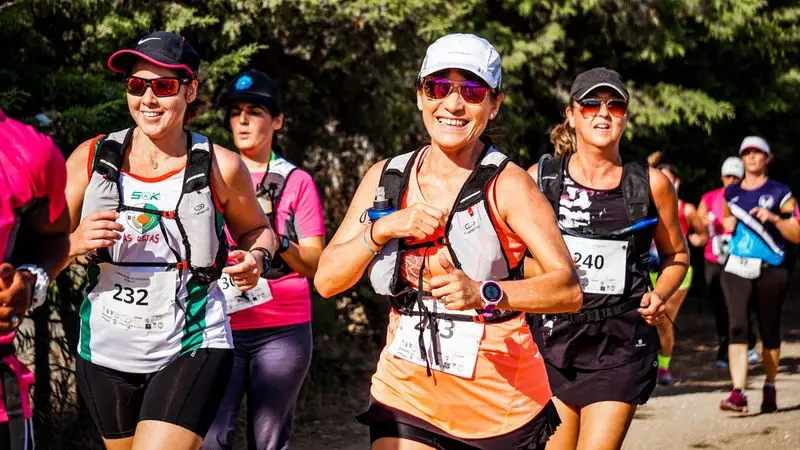
of half marathon finishers in Spain are amateurs with less than 3 years of running behind them
16 wk
the minimum recommended time to prepare a half marathon properly if you already run 5K
2h20
average finishing time for a first half marathon according to road race data in Spain
The short answer is yes, as long as you follow a proper plan and meet the minimum base requirements. A half marathon does not ask you to be an elite athlete or to have been running for years. It does ask for consistency, respect for the plan and patience with the progression. The minimum requirement is being able to run 5K without stopping and having at least 3-4 months of regular running behind you.
If you cannot yet run 5K non-stop, do not jump into this plan. Build that base first with our guide to start running from scratch, and once 5K feels comfortable, come back here.
Before you begin week 1, check that you tick every one of these boxes:
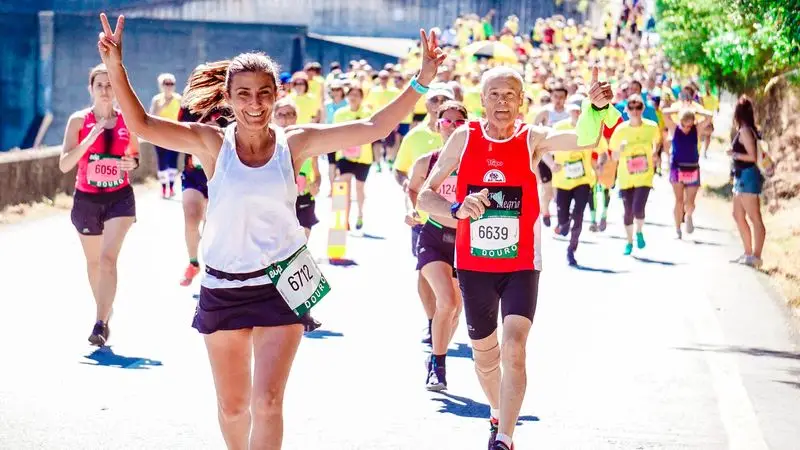
The plan is split into four phases: Base (weeks 1-4), Build (weeks 5-8), Volume (weeks 9-12), Peak and Taper (weeks 13-16). Each phase raises the load progressively, with a down week every four weeks.
| Week | Monday | Wednesday | Friday | Sunday (long run) | Total km |
|---|---|---|---|---|---|
| W1 — Base | Strength 30min | 30min easy | 20min recovery | 8km easy | ~30 km |
| W2 — Base | Strength 30min | 32min easy | 20min recovery | 9km easy | ~33 km |
| W3 — Base | Strength 30min | 35min easy | 25min recovery | 11km easy | ~37 km |
| W4 — Down week | Rest | 25min easy | 20min recovery | 8km easy | ~28 km |
| W5 — Build | Strength 35min | 35min + 4 strides | 25min easy | 13km easy | ~42 km |
| W6 — Build | Strength 35min | 38min + 4 strides | 25min easy | 14km easy | ~45 km |
| W7 — Build | Strength 35min | 20min tempo | 25min easy | 16km easy | ~48 km |
| W8 — Down week | Rest | 30min easy | 20min recovery | 11km easy | ~33 km |
| W9 — Volume | Strength 40min | 40min + 4 strides | 25min tempo | 17km easy | ~52 km |
| W10 — Volume | Strength 40min | 42min + 4 strides | 25min tempo | 18km easy | ~55 km |
| W11 — Volume | Strength 40min | 45min + 4 strides | 25min tempo | 19km easy | ~58 km |
| W12 — Down week | Rest | 30min easy | 20min recovery | 13km easy | ~35 km |
| W13 — Peak | Strength 40min | 45min target pace | 30min easy | 20km easy | ~60 km |
| W14 — Peak | Strength 40min | 45min target pace | 30min easy | 18km easy | ~58 km |
| W15 — Peak | Strength 35min | 40min target pace | 25min easy | 16km easy | ~52 km |
| W16 — RACE | Rest | 20min easy | Rest | HALF MARATHON | ~35 km |
Easy = Zone 2, conversational pace. Tempo = 20-25 minutes at target race pace. Strides = 20-second accelerations at 90% effort with full recovery. Strength = core, glutes and stability work.
The long run is the most important session of the week. It is where you build aerobic endurance, teach your body to burn fat as fuel and adapt muscles, tendons and joints to half marathon volume. But there is a golden rule that most beginners break: the long run has to be slow.
The right pace: 60-90 seconds per kilometre slower than your target race pace. If you want to finish the half marathon in 2h15 (6:23/km), your long runs should be at 7:23-8:23/km. It feels very slow, and it is — that is exactly the right intensity.
Tempo work is the second most important session of the plan. It shows up from week 7 and means holding 20-25 minutes at your target race pace. This session trains your anaerobic threshold and teaches your nervous system to hold the pace you have planned for the half marathon.
How to do it: Warm up for 10 minutes easy, hold target pace for 20-25 minutes, then cool down for 10 minutes. If your goal is 2h15, the tempo is at 6:23/km. For 2h30, 7:06/km. For 2h00, 5:41/km.
Recovery sessions, strength work and rest days are not wasted time — they are where your body absorbs the training and improves. Ignoring recovery is the number one cause of injury in beginners preparing for their first half marathon.

The volume in this plan — especially between weeks 9 and 15 — is significant. You need shoes with good cushioning to protect your joints on the weekly long runs. This is not the moment for minimalist shoes or speed trainers.
This article contains affiliate links to Amazon. If you buy through them, we receive a small commission at no extra cost to you. This does not change the price or our editorial selection.
ASICS Gel-Nimbus 26
Maximum cushioning · Ideal for high volume · 290g · 8mm drop
The pick of many distance runners who need joint protection during heavy training blocks. The FlyteFoam Blast+ midsole absorbs impact without sacrificing response.
View on AmazonBrooks Ghost 16
All-rounder · Comfortable on long runs · 286g · 12mm drop
The most versatile shoe in the plan. It works for easy recovery sessions and for long runs alike. DNA LOFT v3 delivers balanced, durable cushioning.
View on AmazonHoka Clifton 10
Maximum comfort · Lightweight · 5mm drop · Reformulated foam
The option for anyone who puts comfort above everything else. The Clifton has been the favourite of high-mileage runners for years.
View on AmazonNutrition is the second pillar of the plan — as important as the kilometres. A runner preparing for a half marathon has specific needs that shift with each phase of training.
On any run longer than 60 minutes, your body needs glycogen replacement during the session. The guideline is 30 to 60 grams of carbohydrate per hour of exercise. In practice: one energy gel every 40-45 minutes, or a banana broken into pieces every hour.
For a deeper dive into pre- and post-race nutrition strategy, read our article on carb loading for the marathon and half marathon.

The ideal breakfast before a half marathon is rich in medium-absorption carbohydrates, low in fibre and fat, and easy to digest. Tried and tested options: oats with banana and honey, toast with jam, white rice with fruit compote. Avoid whole milk, fried eggs and any fatty food that slows gastric emptying.
You will need two to three gels during the half marathon. The recommended schedule:
Take your gels with water — never dry and never with a sports drink, because that combination can cause stomach trouble. Practise with the exact gels you will use on race day during your long runs.

Tapering means cutting volume in the days before the race so your body arrives recovered, with full glycogen stores and a fresh nervous system. Dropping volume by 40-50% is right — but keep the quality sessions so you do not lose your sharpness.
| Day | Session | Details |
|---|---|---|
| Monday | Rest | Foam roller, easy walking |
| Tuesday | 20min easy + 4x200m at target pace | Wakes the legs up without tiring them |
| Wednesday | Rest | Pack your race bag, check the logistics |
| Thursday | 20min easy | Very easy, just move the legs |
| Friday | Rest | Carb-based dinner, early night |
| Saturday | 10min easy + stretching | Just to loosen up. Get everything ready for tomorrow. |
| Sunday | HALF MARATHON | Arrive 45min early, enjoy every kilometre |
A half marathon has a characteristic energy curve, and it helps to know it in advance so you do not get carried away by the emotion of the moment.
Download the CorrerJuntos app and find training groups for your first half marathon in your city. Long runs in company, support on the hard sessions and a shared celebration on race day.
More than 1,100 runners are already training together
How long do I need to prepare for my first half marathon?
Sixteen weeks minimum if you can already run 5K without stopping. If you are a complete beginner, plan for 24 weeks: 8 weeks to build up to 5K and then the 16-week half marathon plan.
How many weekly kilometres should I run in the peak week?
The peak week of the plan reaches 55-60 km. You start at around 30 km a week and build up gradually, with a down week every four weeks to make recovery easier.
Do I need to run 21 km in training before the race?
No. The longest run in the plan is 18-20 km. On race day, adrenaline, the taper and the aid stations make covering the full 21 km perfectly achievable even if you never ran that far in training.
What pace should I run in my first half marathon?
To finish in 2h15 you need 6:23/km. For 2h30, 7:06/km. For 2h00, 5:41/km. The most important thing is to start conservatively for the first 7 km: 15-20 seconds per kilometre slower than your target pace so you have something left at the end.
How many gels do I need in a half marathon?
Between two and three in total. The first at km 7, the second at km 13-14 and an optional third at km 18. You must have tested them in training before race day.
Can I walk during the half marathon?
Absolutely. Plenty of beginners alternate running and walking and finish the race happy. Walking 30-60 seconds through the aid stations so you can actually drink is a smart strategy, not a defeat.
What should I wear on half marathon race day?
Exactly the same kit you trained in on your long runs. Never wear anything new on race day. Chafing shows up at friction points from km 12-15 onwards and it is painful and completely avoidable.
When will I start noticing improvements in training?
Within 3-4 weeks you will notice you tire less at the same intensity. Within 8 weeks your times will improve visibly and you will hold conversations at paces that used to feel impossible. Aerobic progress is slow but very consistent.
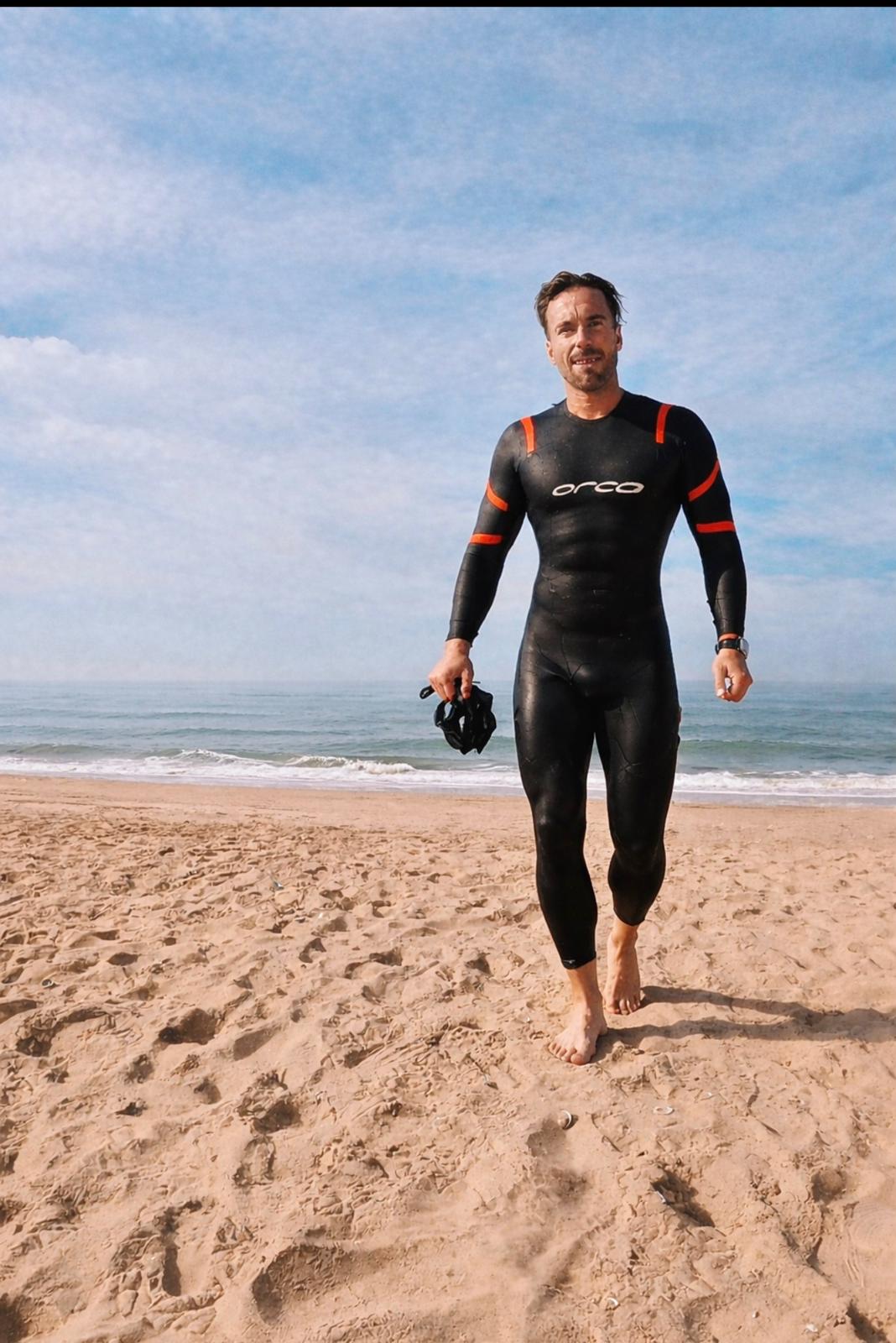
Running since 2014 and racing triathlon. He founded CorrerJuntos in 2025 with one simple idea: that no runner should have to train alone.
Training plans, nutrition advice and running news. No spam.
We respect your privacy. Unsubscribe any time.