
Why you don't need to spend a lot on running headphones
There's a widespread belief among runners that you need premium headphones to train with good music. That if you want decent sound, reliable sweat resistance, and a secure fit that won't fail you during 400-meter repeats, you need to spend 100, 150, or even 200 euros. And in 2026, that's simply not true (World Athletics) (ACSM).
The wireless headphone market has undergone a massive democratization of technology over the past three years. Features that were recently exclusive to premium models (active noise cancellation, IP67 water resistance certifications, graphene drivers, fast charging, and high-resolution codecs) have trickled down to the budget range. Today you can find headphones for 25-55 euros that do things that 200-euro models couldn't do just four years ago.
For running, your audio demands are also different from those of an audiophile sitting in their living room. When you're running at 5:00 min/km with cars passing, wind in your ears, and the impact of each stride resonating in your skull, the nuances between a 6mm and a 10mm driver blur considerably. What you really need is that they don't fall out, they resist sweat, they sound good enough to keep you motivated, and the battery doesn't die in the middle of a long run. And you can get all that for much less than you think.
We've spent several weeks testing more than twenty headphone models under 60 euros in real training conditions: easy runs, track intervals, long runs, rainy workouts, and treadmill sessions at the gym. Of all of them, these 8 are the ones that truly meet the expectations of a demanding runner without destroying the bank account. If you're looking for options with no price limit, check out our complete guide to the best running headphones.
Ranking summary: all 8 at a glance
Before diving into the detailed analysis of each model, here's a quick summary so you can jump straight to the one that best fits your main priority:
- Soundcore Sport X10 (~45 euros): The best budget headphone overall. Rotating hook, IPX7, balanced sound. The safe choice.
- JBL Endurance Run 2 (~25 euros): The best ultra-budget option. If your budget is tight, these are unbeatable at this price.
- QCY T13 ANC (~30 euros): The best noise cancellation under 50 euros. Ideal for treadmill workouts at the gym.
- Xiaomi Buds 4 Lite (~29 euros): The most comfortable and easy to use. Perfect for casual runners looking for simplicity.
- TOZO T6 (~25 euros): The best water resistance. Real IPX8 for 25 euros: for runners who train in the rain.
- Shokz OpenMove (~55 euros on sale): The budget bone conduction option. For those who prioritize street safety.
- JLab Go Air Sport (~30 euros): The best with ear hooks. Unshakeable fit for sprints and intervals.
- Edifier NeoBuds Pro 2 (~55 euros): The best sound quality. For runners who won't compromise on audio.
Now let's get into the complete analysis of each model. For each headphone you'll find our rating, key specs, strengths and weaknesses, and what type of runner it's designed for.
1. Soundcore Sport X10 - Best budget running headphone overall
Soundcore Sport X10
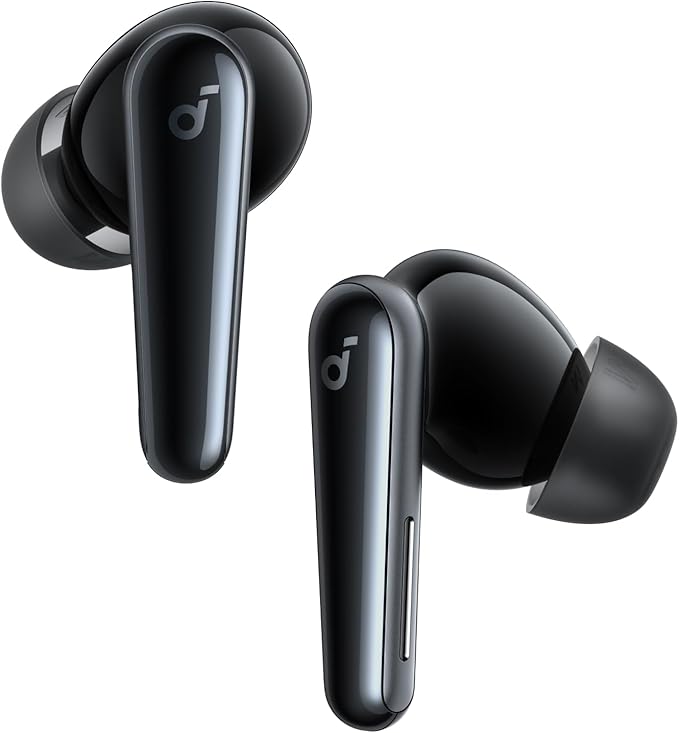
The Soundcore Sport X10 by Anker are, in our opinion, the best budget running headphones you can buy in 2026. And the main reason is their rotating hook system: a mechanism that lets you rotate the earbud 210 degrees to fit the exact shape of your ear. This eliminates the number one problem with cheap sport headphones: they shift or fall out during runs.
Find your running with a group
1,100+ runners already train together. Free on iOS.
Sound is handled by 10mm graphene-coated drivers that produce a surprisingly complete audio for headphones at this price. Bass has presence without being excessive, mids are clear for podcasts and voices, and highs don't get harsh at high volume. The Soundcore app lets you equalize the sound to your taste, something uncommon at this price range.
The IPX7 certification means you can run in heavy rain, rinse them under the tap after a sweaty workout, or even briefly submerge them without issue. The 8-hour battery per charge (32 with the case) is more than enough for any workout, including marathons.
Pros
- Rotating hook: customizable fit
- IPX7: excellent water resistance
- Balanced sound with graphene drivers
- App with customizable equalizer
- 8 hours of battery per charge
- Fast charge (10 min = 1h of use)
Cons
- No active noise cancellation
- Case is somewhat bulky
- No transparency mode
- No multipoint (single device only)
The Soundcore Sport X10 are the safe choice. If you don't want to spend time analyzing 20 models and need headphones that work well for running without spending too much, these are our default recommendation. The rotating hook, IPX7 water resistance, and full sound make them the most balanced package under 50 euros.
See price on Amazon →2. JBL Endurance Run 2 - Best ultra-budget for running
JBL Endurance Run 2 Wireless
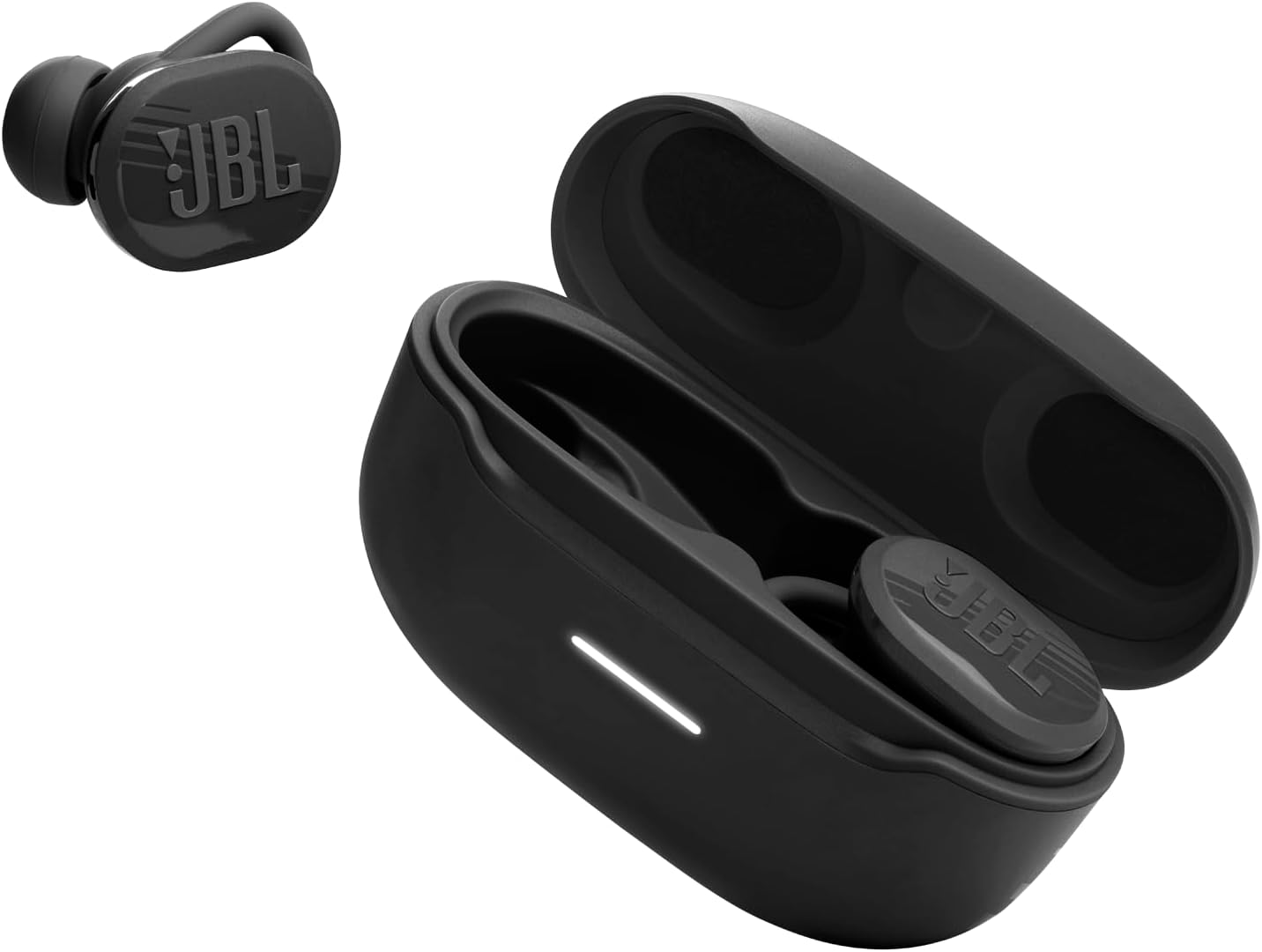
JBL is a brand that needs no introduction in the audio world, and the Endurance Run 2 prove they know how to make budget headphones with dignity. For just 25 euros you get the JBL sound signature: bass with body, defined mids, and that energetic tuning that makes workout music sound punchy without distorting at high volumes.
The design is minimalist but functional for sport. They include silicone fins that hook into the inner part of the ear for extra stability during running. It's not a full hook like other models, but for easy runs and moderate-pace workouts it works well. Where they might fall short is during very intense intervals with sudden direction changes.
The IP55 certification protects against sweat and light rain, which is the minimum you need for running. The 6-hour battery with 24 additional in the case easily covers daily training needs. The charging case is compact and fits in any pocket.
Pros
- Unbeatable price for the JBL brand
- JBL sound with powerful bass
- Bluetooth 5.3 with stable connection
- Compact and lightweight case
- Silicone fins included
Cons
- No noise cancellation
- Fit is slightly loose during sprints
- No equalizer app
- IP55 (heavy rain can be an issue)
The JBL Endurance Run 2 prove that 25 euros can buy you decent headphones for running. They won't compete with 100-euro models, but for the runner who heads out 3-4 times a week for easy runs and wants to listen to their playlist without complications, they do the job well. The JBL sound signature gives them an energy boost that's appreciated during the hard kilometers.
See price on Amazon →3. QCY T13 ANC - Best budget noise cancellation for running
QCY T13 ANC
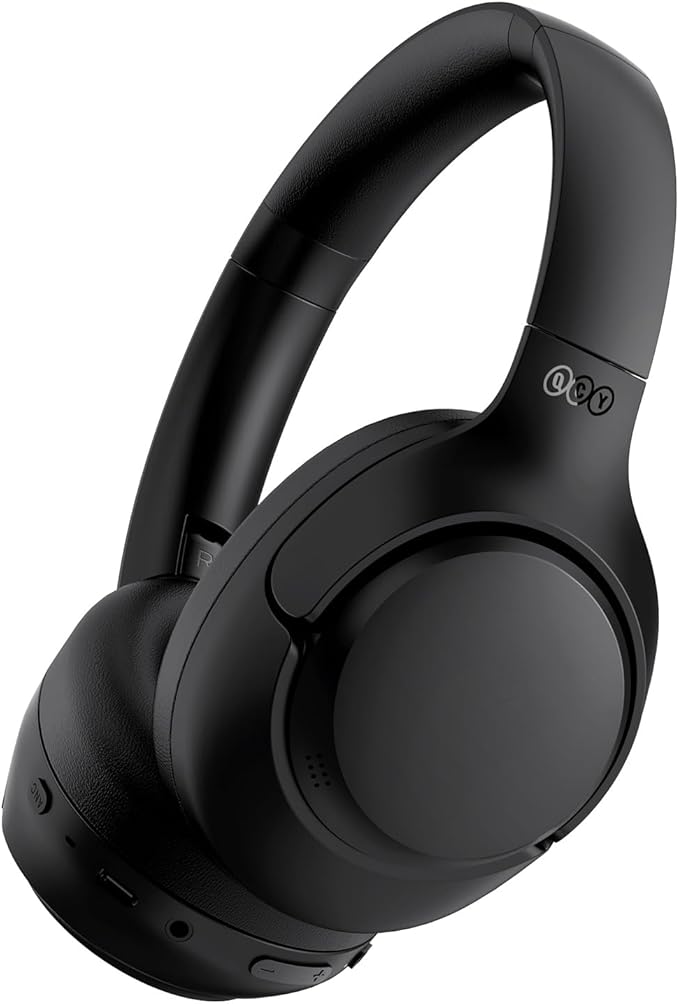
Active noise cancellation for 30 euros. Five years ago this would have sounded like a joke. The QCY T13 ANC demonstrate that ANC technology has dropped to price levels any runner can afford, and they do it with performance that, while not matching Sony or Bose, is functional and useful for the sport environment.
The noise cancellation effectively reduces constant background noise: the hum of a treadmill, gym fan noise, ambient music at the fitness center, or the murmur of distant traffic. Don't expect the absolute silence of 250-euro headphones, but the difference with ANC enabled is noticeable and significantly improves the indoor training experience.
They include transparency mode that lets environmental sounds through, something essential if you decide to use them for outdoor running. The 10mm drivers with composite diaphragm offer a wide sound with good frequency separation. The QCY app lets you adjust the equalizer, ANC intensity, and touch controls.
Pros
- Real ANC for only 30 euros
- Transparency mode for outdoors
- Full app with equalizer
- 10mm drivers with good sound
- Very lightweight (4.7g per earbud)
- 28 hours total with case
Cons
- ANC less effective than premium models
- No hook or fin for fit
- Battery decreases with ANC active
- Not ideal for sprints (may shift)
The QCY T13 ANC are a pleasant surprise at their price. If you mainly train at the gym or on a treadmill, the noise cancellation is a plus that makes a real difference. For outdoors, activate transparency mode and use them as standard in-ears with the added benefit of being able to isolate yourself when needed. The features-to-price ratio is, honestly, hard to beat. If you want to explore more about headphone types for running, check our complete guide to sport headphones (WHO).
See price on Amazon →4. Xiaomi Buds 4 Lite - Best for casual runners
Xiaomi Buds 4 Lite
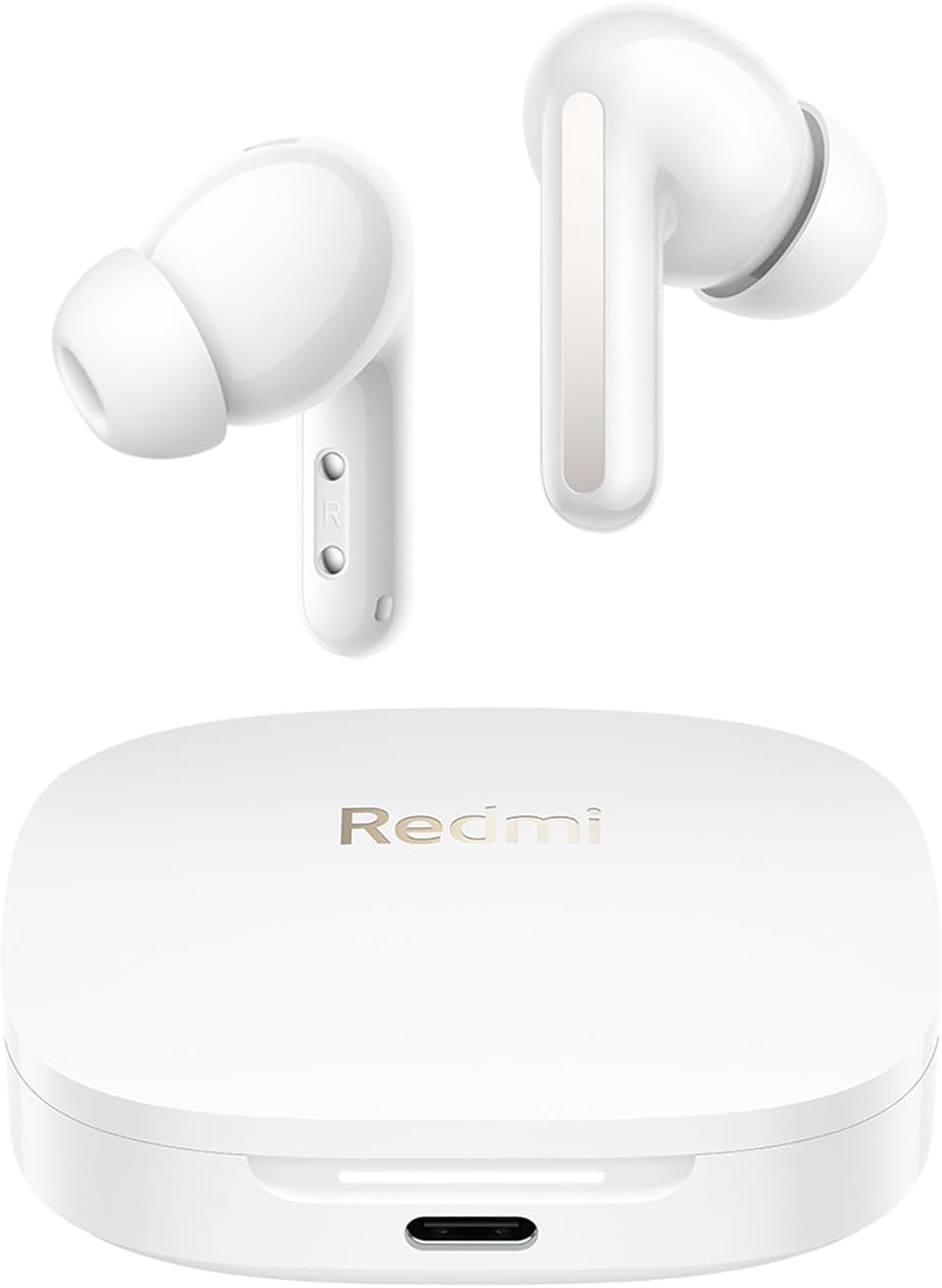
Xiaomi has perfected the art of offering products that deliver exactly what they promise at prices that make you wonder if there's a mistake on the label. The Buds 4 Lite don't try to be the best at any one thing, but they're surprisingly competent at everything: clean sound, stable connection, good battery, and a design that stays comfortable for hours.
For running, their strong point is comfort. The ergonomic design with a short stem and three ear tip sizes allows you to find a fit that doesn't bother you even after an hour of continuous use. They don't have the aggressive hold of hooked headphones, but for easy-pace runs and workouts without sudden movements, they stay in place without issues. The weight of just 4.6 grams per earbud contributes to that feeling of wearing nothing at all.
Sound is powered by a 12mm dynamic driver that provides full audio with good bass and clear mids. For the casual runner who listens to a mix of podcasts and Spotify playlists, the quality is more than sufficient. Integration with Xiaomi devices is excellent, although they also work perfectly with any Android phone or iPhone.
Pros
- Very comfortable for extended use
- 12mm driver with full sound
- Elegant and discreet design
- Excellent Xiaomi integration
- Ultra-light (4.6g per earbud)
Cons
- IP54: water resistance is tight
- No hook or sport fin
- No noise cancellation
- Fit could be better during intervals
The Xiaomi Buds 4 Lite are the headphones for the runner who doesn't want complications. You take them out of the case, they connect instantly to your phone, and you how to start running. No apps to configure, no hooks to adjust, no unnecessary features. If you run 2-3 times a week at an easy pace and want something simple that sounds good, these deliver without fuss.
See price on Amazon →5. TOZO T6 - Best water resistance under 30 euros
TOZO T6

If your main concern is that sweat or rain will kill your headphones in two months, the TOZO T6 are your answer. With IPX8 certification (submersible up to 1 meter for 30 minutes), they offer the highest level of water protection you can find in headphones at this price. And we're not talking about a dubious certification from an unknown brand: TOZO is a manufacturer with millions of units sold and consistent ratings on Amazon.
The design is compact with a low profile that sits almost flush with the ear, reducing the wind sail effect during running. The 8mm drivers with composite diaphragm produce a sound with emphasized bass that works well for high-beat workout music, though purists may find the mids somewhat recessed. For running, where music is more motivation than audiophile experience, the sound profile is effective.
The wireless charging case is a surprising detail at this price. You can charge it on any Qi base, adding convenience to daily use. The 6-hour battery with 24 additional in the case is standard for the range.
Pros
- IPX8: maximum water resistance
- Qi wireless charging included
- Ultra-competitive price (25 euros)
- Compact low-profile design
- Powerful bass for motivation
Cons
- Mids somewhat recessed
- No equalizer app
- Fit depends on ear tip selection
- No noise cancellation or transparency
The TOZO T6 are the headphones for the runner who doesn't check the weather forecast before heading out. If you live in a rainy area, if you sweat heavily, or if you simply want the peace of mind of knowing water won't be a problem, at 25 euros there's nothing that offers this level of protection. The wireless charging is the cherry on top at this ridiculous price.
See price on Amazon →6. Shokz OpenMove - Best budget bone conduction
Shokz OpenMove

The Shokz OpenMove are the gateway to bone conduction for runners on a budget. Shokz (formerly Aftershokz) dominates the bone conduction category, and the OpenMove represent their most accessible model: the brand's technology at a price that, especially during frequent sales where they drop to around 55 euros, falls within our budget range.
The advantage of bone conduction for running is well-known and absolutely real: the transducers rest on your cheekbones and transmit sound through the bone, leaving your ears completely open. You hear your music and at the same time hear traffic, cyclists, other runners, and any environmental sound. For urban running, bone conduction is the safest option, and the OpenMove give you access to that safety without needing the 130-180 euros of higher-end models.
The OpenMove's sound is solid for mid-range bone conduction. It doesn't have the power of the OpenRun Pro 2 (you can read our Shokz OpenRun Pro 2 review to compare), but for podcasts, audiobooks, and training playlists it works perfectly. Bass is the weakest area, as is typical with this technology, but mids and highs are crisp.
Pros
- Open ears: maximum city safety
- Perfect fit that doesn't shift
- Very comfortable for long runs
- Leading bone conduction brand
- USB-C and good build quality
- Dual mic with noise cancellation for calls
Cons
- Weak bass vs in-ear
- Base price of 79 euros (need a sale)
- 6 hours of battery (tight for ultras)
- Some vibration felt at high volume
The Shokz OpenMove are a special recommendation for runners who regularly train on streets with traffic, parks shared with cyclists, or roads. The safety of hearing your surroundings while enjoying your music is priceless, and with the OpenMove you can get it without the investment of higher-end Shokz models. Wait for a sale to buy them in the 50-55 euro range and you'll have one of the best possible purchases in running headphones.
See price on Amazon →7. JLab Go Air Sport - Best budget ear hook headphone
JLab Go Air Sport

JLab is a brand that has built its reputation in the budget sport headphone segment, and the Go Air Sport are their most sport-focused model. The key differentiator is the integrated ear hooks: not fins that insert, not rotating hooks, but flexible silicone hooks that wrap around the top of the ear and provide a hold that withstands practically any movement.
We analyzed these headphones during 200m and 400m track repeats, uphill sprints, and interval training and fartlek workouts with aggressive pace changes. At no point did they shift from their position. For the runner who does high-intensity workouts where other headphones shift or straight-up fall out, the Go Air Sport are the most affordable solution with a dedicated ear hook.
Sound is honest for its price: don't expect miracles, but the 8mm drivers offer functional audio with a sport-oriented EQ that slightly emphasizes bass for energy. JLab includes three built-in EQ presets (Signature, Balanced, Bass Boost) that you can switch directly from the headphones without needing an app.
Pros
- Ear hook: bulletproof fit
- Excellent 8-hour battery
- 3 built-in EQ presets
- Robust and durable design
- Very competitive price (30 euros)
Cons
- Basic sound quality
- Charging case is somewhat large
- No app or advanced EQ
- Hook can feel uncomfortable at first
The JLab Go Air Sport are the practical choice for the runner who has already lost a pair of in-ear headphones along the way. If your absolute priority is that headphones stay put no matter what, these are the cheapest with a full ear hook that we recommend. The 8-hour battery is a bonus that few models at this price can match.
See price on Amazon →8. Edifier NeoBuds Pro 2 - Best sound quality under 60 euros
Edifier NeoBuds Pro 2
The Edifier NeoBuds Pro 2 are the headphones on this list that come closest to premium territory. Edifier is a manufacturer with decades of quality audio experience, and the NeoBuds Pro 2 prove they can compress that experience into 55-euro earbuds that sound significantly better than any other model in this ranking.
The key is their hybrid driver configuration: a dynamic driver for bass and mids combined with a balanced armature driver for highs. This dual system, typical in 150-200 euro headphones, produces a detailed and spacious sound with frequency separation that the rest of the models on this list can't match. Bass is deep without being muddy, mids are clear and present, and highs have brightness without harshness. They support LDAC codec for high-resolution audio if your phone is compatible.
They include active noise cancellation with performance that exceeds expectations at this price, a functional transparency mode for outdoors, and an Edifier Connect app with a full parametric equalizer. The IP54 certification adequately protects against sweat, though it's not the highest on the list. For the runner who also uses their headphones for work, commuting, and listening to music at home, the NeoBuds Pro 2 are the most versatile option.
Pros
- Best sound on the list (hybrid driver)
- LDAC for high-resolution audio
- Effective ANC (-43dB)
- Transparency mode for outdoors
- App with parametric equalizer
- Premium build for the price
Cons
- Most expensive on the list (55 euros)
- IP54 (not ideal for heavy rain)
- No dedicated sport hook
- 5.5h battery with ANC (somewhat tight)
The Edifier NeoBuds Pro 2 are for the audio-demanding runner willing to pay a bit more within the budget range. If you care how your music sounds and want headphones that work both for running and everyday use with the best possible quality under 60 euros, these are the clear choice. The hybrid driver and LDAC support put them at a sound level far above their price.
See price on Amazon →Full comparison table
To make it easy to compare all 8 models directly, here are all the key specifications in one table. You can scroll horizontally on mobile to see all the data.
| Model | Price | Type | Driver | Battery | IP | BT | ANC | Weight | Score |
|---|---|---|---|---|---|---|---|---|---|
| Soundcore Sport X10 | ~45 euros | Hook | 10 mm | 8h (+24h) | IPX7 | 5.2 | No | 7g | 4.5/5 |
| JBL Endurance Run 2 | ~25 euros | In-ear | 8 mm | 6h (+24h) | IP55 | 5.3 | No | 6.2g | 4.2/5 |
| QCY T13 ANC | ~30 euros | In-ear | 10 mm | 5.5h (+28h) | IPX5 | 5.3 | -28dB | 4.7g | 4.3/5 |
| Xiaomi Buds 4 Lite | ~29 euros | In-ear | 12 mm | 5.5h (+20h) | IP54 | 5.3 | No | 4.6g | 4.1/5 |
| TOZO T6 | ~25 euros | In-ear | 8 mm | 6h (+24h) | IPX8 | 5.3 | No | 5.8g | 4.2/5 |
| Shokz OpenMove | ~55 euros | Bone | Bone | 6h | IP55 | 5.1 | No | 29g | 4.4/5 |
| JLab Go Air Sport | ~30 euros | Ear hook | 8 mm | 8h (+24h) | IP55 | 5.2 | No | 7.2g | 4.0/5 |
| Edifier NeoBuds Pro 2 | ~55 euros | In-ear | Hybrid | 5.5h (+19h) | IP54 | 5.3 | -43dB | 5.2g | 4.5/5 |
Buying guide: what to look for in budget running headphones
Buying headphones for running may seem simple, but there are several technical factors that make the difference between a model that lasts two months and one that accompanies you through years of training. Here are the five criteria you should evaluate before buying, ranked by importance for runners.
IP rating: water and sweat resistance
The IP (Ingress Protection) rating is probably the most important factor when choosing running headphones. Sweat is the number one enemy of sport headphones: it contains salt, which is corrosive, and it's produced in significant amounts during a running session. If your headphones don't have an adequate IP rating, sweat will destroy them in a matter of months.
IP naming works with two digits: the first indicates protection against solids (dust) and the second against liquids (water). For running, the relevant scale for the second digit is:
- IPX4: Splash resistant. The minimum acceptable for easy running.
- IPX5: Resistant to low-pressure water jets. Recommended for most runners.
- IPX6: Resistant to high-pressure water jets. Excellent for running in rain.
- IPX7: Submersible up to 1 meter for 30 minutes. Maximum peace of mind.
- IPX8: Submersible to depths defined by the manufacturer. The highest level.
Our recommendation: look for at least IPX5 for regular running. If you live in a rainy area or sweat heavily, IPX7 or higher will give you the peace of mind of never having to worry about moisture.
Fit type: hold is everything
Headphones with spectacular sound are useless if they fall out at kilometer 3. Fit type is the second most important factor for running, and there are three main categories:
- In-ear with tips: The most common. They fit inside the ear canal with silicone tips. Stability depends on finding the right tip size. Good for easy runs, may shift during sprints.
- In-ear with hook/fin: They add a hook that wraps around the ear or a fin that anchors in the antitragus. They offer superior hold and are more stable for high-intensity workouts, intervals, and runs with pace changes.
- Bone conduction with band: The band wraps around the back of the neck and the transducers rest on the cheekbones. They absolutely don't move. The most reliable hold, though with the sound limitations inherent to the technology. To better understand the differences, check our running headphones section by type.
Battery: how many hours do you really need
Battery life is a factor many runners overestimate. The reality is that most running workouts last between 30 minutes and 2 hours. Even a full marathon at a 5:30 min/km pace finishes in under 4 hours. This means that for 95% of runners, headphones with 5-6 hours of battery are more than enough.
Where battery matters more is in the charging case: a case offering 3-4 additional charges lets you use the headphones all week without plugging in the case. Ideally, the case should give you at least 20 total hours of playback. Fast charging is another valuable factor: being able to get 1-2 hours of use from 10-15 minutes of charging saves workouts when you forget to charge the night before.
Driver size and sound quality
The driver is the component that converts the electrical signal into sound. In in-ear headphones, typical sizes range from 6mm to 13mm. A larger driver doesn't automatically mean better sound (factors like diaphragm material, acoustic chamber design, and manufacturer tuning all play a role), but in general, 10mm or larger drivers tend to produce deeper bass and fuller sound than 6-8mm ones.
Diaphragm materials also matter: graphene and polymer compounds offer better response than standard plastic. Hybrid drivers (dynamic + balanced armature), like those in the Edifier NeoBuds Pro 2, offer the best sound quality in this price range by combining the strengths of each driver type for different frequency ranges.
Bluetooth codec: SBC, AAC, aptX, and LDAC
The audio codec determines how sound is compressed for Bluetooth transmission from your phone to the headphones. The main ones are:
- SBC: The universal codec, included in all Bluetooth headphones. Acceptable quality, high compatibility. Sufficient for running.
- AAC: Better quality than SBC, especially on Apple devices. Most budget headphones include it.
- aptX / aptX Adaptive: Qualcomm codec with lower latency and better quality. Less common in budget headphones but present in some models.
- LDAC: Sony codec that allows high-resolution audio transmission. Only available in the most advanced budget models like the Edifier NeoBuds Pro 2.
For running, as we've mentioned, the codec is the least important factor on this list. Ambient noise, wind, and running impact reduce your ability to perceive differences between codecs. Always prioritize water resistance, fit, and battery over codec.
Run with music and great company
Find running groups in your city and enjoy your headphones while running with others.
Join 1,100+ runners
Frequently Asked Questions
Is it worth buying budget headphones for running or should I save for premium ones?
For most runners, headphones in the 25-55 euro range are more than enough. Current models in this range offer good sound quality, sweat resistance with IPX5 or higher certifications, and plenty of battery for workouts up to 2-3 hours. It only makes sense to invest in premium models if you need advanced noise cancellation, high-resolution audio, or very specific features like built-in music storage. For running with music or podcasts, a 30-50 euro model does the job perfectly.
What IP rating do running headphones need?
At minimum IPX4, which protects against sweat splashes and light rain. Ideally for running, aim for IPX5 or higher, which resists low-pressure water jets. If you frequently run in the rain, look for IPX7 or IPX8. The first digit of the IP code indicates dust protection and the second indicates water protection. IP67 or IP68 are the best certifications for sport, but IPX5 is sufficient for most runners.
Are budget bone conduction headphones a good option for running?
Budget bone conduction models under 60 euros, like the Shokz OpenMove on sale, offer the key advantage of leaving your ears open to hear traffic. Sound quality is inferior to in-ear models at the same price, but for urban running the safety they provide makes up for that difference. If you regularly run on city streets or roads, they're a recommended investment. For treadmill or track running, in-ears offer better sound-to-price ratio.
Which headphone type is most stable for running: earbuds, ear hooks, or band?
Headphones with ear hooks are the most stable for running, followed by bone conduction models with a band. TWS earbuds without hooks can work well if you find the right ear tip, but are more prone to shifting with the impact of your stride, especially during sprints or downhills. If your workouts include intense intervals, prioritize models with hooks.
Does the audio codec matter for running?
For running, the codec is not a critical factor. The SBC codec included with all Bluetooth headphones is sufficient for listening to music and podcasts while running. AAC slightly improves quality on Apple devices. aptX and LDAC offer better fidelity but consume more battery. While running with ambient noise in the background, the difference between codecs is practically irrelevant. Prioritize battery, fit, and water resistance.
How much battery do running headphones need?
It depends on your workouts. For sessions up to 1 hour, any modern headphone with 4-5 hours of battery is sufficient. If you run marathons or long runs of 2-4 hours, look for models with at least 7-8 hours of battery life. The charging case usually adds 2-4 additional full charges. An important detail is fast charging: many models offer 1-2 hours of playback with just 10-15 minutes of charging, which is very handy if you forget to charge before a workout.
Can I use headphones with noise cancellation while running on the street?
Using active noise cancellation while running outdoors is not recommended. ANC eliminates traffic sounds, cyclists, and other pedestrians, which poses a real safety risk. If your headphones have ANC, activate transparency or ambient sound mode to let environmental noise through. Reserve full noise cancellation for treadmill workouts at the gym or closed tracks with no traffic.