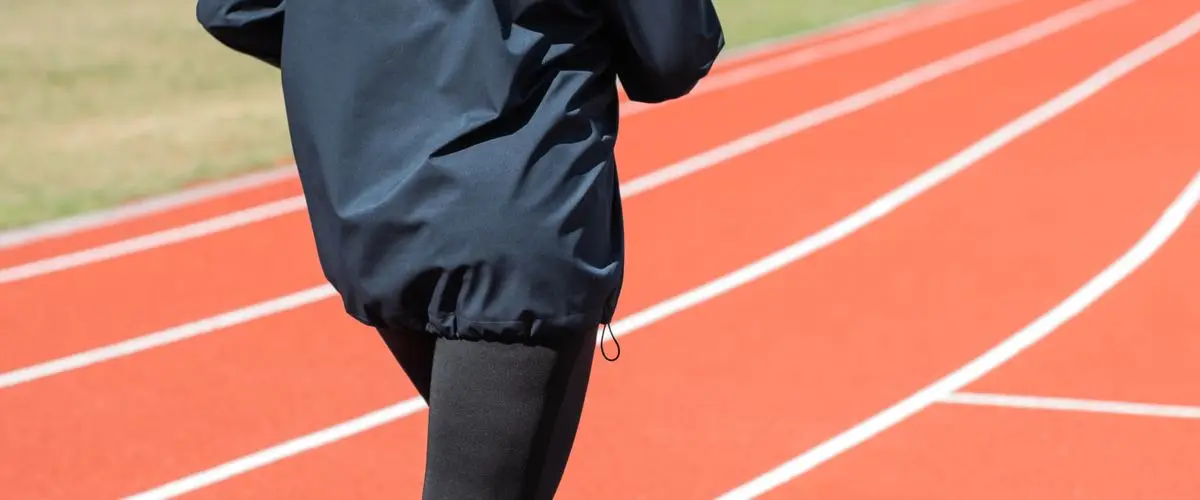
Running tights are one of the most important pieces of your gear, especially if you run in winter or in moderately cold conditions. Good tights protect you from the wind, keep your muscles at temperature, reduce vibration during impact and, if they have the right pockets, let you carry your phone and keys without needing a belt or armband. However, not all tights are equal: fabrics, compression, length and design vary enormously between models and brands (World Athletics).
In this guide we have selected the 10 best running tights of 2026, with options for both men and women and price ranges from 20 euros for the Kalenji Run Warm from Decathlon to 120 euros for the 2XU MCS Run Compression. For each model we analyze the fabric, compression level, pockets, reflective elements, recommended temperature range and gender options. If you want to complete your running gear, we also recommend our complete running clothing guide where we cover all the garments you need.
The 10 best running tights 2026
We have ranked the tights by value for money, not by absolute price. Each model has been evaluated based on its fabric, compression, pockets, reflective elements, temperature range and gender options. For each one we tell you who it is ideal for and in what conditions it excels. If you are interested in upper body gear, also check our technical running clothing guide where we cover shirts, jackets and windbreakers.

1. Nike Dri-FIT Phenom - Best value for money
~70 EURIdeal for: daily runs, mixed workouts, 5-15 degrees
The Nike Dri-FIT Phenom is the tight most runners choose as their go-to winter garment, and with good reason. The recycled polyester fabric with 10 percent elastane offers four-way stretch that adapts to any stride type without restriction. Dri-FIT technology wicks sweat efficiently, keeping you dry even during intense workouts in cold temperatures.
What truly sets the Phenom apart from other tights in this price range are its three pockets: two side pockets at thigh height, perfect for carrying your phone in one and gels in the other, plus a rear zippered pocket for keys and a card. The wide elastic waistband, without a drawstring, prevents digging in during running. Reflective bands on both legs and the rear logo make it a safe option for night running.
Available in men's and women's versions with gender-specific cut patterns. The women's version has a high waist and a more fitted cut at the hip. Works well between 2 and 15 degrees; below zero it may fall short without an additional base layer. For the vast majority of runners looking for versatile tights at a reasonable price, the Phenom is our top recommendation.

2. Under Armour Fly Fast 3.0 - Most versatile
~55 EURIdeal for: speed workouts, half marathon, 8-18 degrees
The Under Armour Fly Fast 3.0 is a tight with medium-high compression that makes it an excellent choice for speed sessions and races. The HeatGear fabric, a blend of nylon and elastane, has a soft, silky feel against the skin that reduces chafing even in long races. The nylon gives it greater abrasion resistance than pure polyester, so it lasts longer if you run on trails or train on the track (ACSM).
The side phone pocket is large enough for smartphones up to 6.7 inches, and has an internal hold band that prevents the phone from bouncing during running. The rear zippered pocket is discreet and flat, ideal for keys. The wide waistband with internal drawstring allows precise fit adjustment.
Its strong point is versatility: the medium-high compression makes it suitable for both easy jogs and intervals and tempos. The reflective details are distributed at 360 degrees, offering visibility from any angle. At 55 euros, it offers a level of performance you would normally find in 80-90 euro tights. Available in men's and women's sizes with gender-specific fits.

3. ASICS Road Tight - The Japanese classic for road running
~50 EURIdeal for: road running, medium-long runs, 5-15 degrees
ASICS has been making quality running clothing for decades, and the Road Tight is a reflection of that experience. It is an unpretentious tight: no aggressive compression or spectacularly-named technologies, but it does its job exceptionally well. The polyester and elastane fabric is soft, breathable and dries quickly. The flatlock seam construction eliminates any possibility of chafing even on long runs over 20 kilometers.
The rear zippered pocket is large enough for a medium-sized phone, and the internal side pocket is discreet for keys or a card. The elastic waistband with internal drawstring keeps the tight in place without needing constant adjustment. The reflective logos on both legs offer basic visibility for running at dusk.
This is the tight you would choose if you value simplicity and reliability over features. At 50 euros, it is an excellent purchase for runners who want a recognized brand tight without paying the premium for compression technologies. If you already own ASICS shoes, you will see that the brand's philosophy is the same in clothing: functionality, durability and comfort without fanfare.
4. Decathlon Kalenji Run Warm - Best under 25 euros
~20 EURIdeal for: beginners, cold-weather running, -5 to 10 degrees
The Kalenji Run Warm from Decathlon is proof that you do not need to spend a lot to run in winter with comfort. For just 20 euros, you get tights with a brushed interior that keep you warm down to minus five degrees. The polyester fabric with elastane has enough stretch not to restrict your stride, and the brushed interior provides an immediate warm feel when you put them on that is greatly appreciated on cold mornings.
Compression is low, almost nonexistent, so do not expect muscle support benefits. But for the price, the features are more than acceptable: there is a rear zippered pocket for your phone (though the size is a bit tight for large smartphones over 6.5 inches), flatlock seams in the crotch to reduce chafing, and a reflective logo on the back of the calf (WHO).
If you are just starting to run and do not want to invest much money until you are sure running is for you, the Kalenji Run Warm is the smart choice. Available in men's and women's sizes from XS to 2XL. To learn more about how to dress for cold-weather running, do not miss our winter running guide.

5. adidas Own The Run - German balance
~45 EURIdeal for: daily runs, urban training, 5-16 degrees
The adidas Own The Run are tights that deliver everything you need without excess. AEROREADY technology manages moisture efficiently, wicking sweat to the fabric surface where it evaporates quickly. The recycled polyester gives adidas an extra point in sustainability, something that more and more runners value when choosing gear.
The fit is balanced: neither too compressive nor too loose. The waistband with internal drawstring allows customized fit, and the two pockets (one side zippered and one rear) cover the basic storage needs. The three reflective stripes, the brand's signature, run along the side of both legs and provide good nighttime visibility.
At 45 euros, they sit at a very competitive mid-range: above the Decathlon options in fabric quality and finish, but below the premium Nike or Under Armour tights in price. This is the tight for the runner who wants something better than basic without breaking the bank. Also available in a 3/4 version for the transitional months.

6. New Balance Impact Run - The running club favorite
~65 EURIdeal for: quality workouts, intervals, 5-15 degrees
New Balance has made a huge leap in quality in its running clothing line in recent years, and the Impact Run is the perfect example. The NB DRY fabric is lightweight, soft and has moisture-wicking capacity that competes with the best on the market. Medium compression offers support without being overbearing, and four-way stretch allows total freedom of movement.
Where the Impact Run truly excels is in pockets. It has two wide side pockets at thigh height that can hold a 6.7-inch smartphone in one and two energy gels in the other. The rear zippered pocket adds secure storage for keys and a card. For long-distance runners who need to carry nutrition, this pocket configuration is hard to beat at this price.
The tight has a slightly more athletic cut than the Nike Phenom, which makes it especially popular among running club members who train at lively paces. Flatlock seams and a wide waistband without pressure points guarantee comfort on long sessions. At 65 euros, it sits in the premium segment without reaching compression-only tight prices.

7. 2XU MCS Run Compression - Elite compression
~120 EURIdeal for: races, recovery, advanced runners
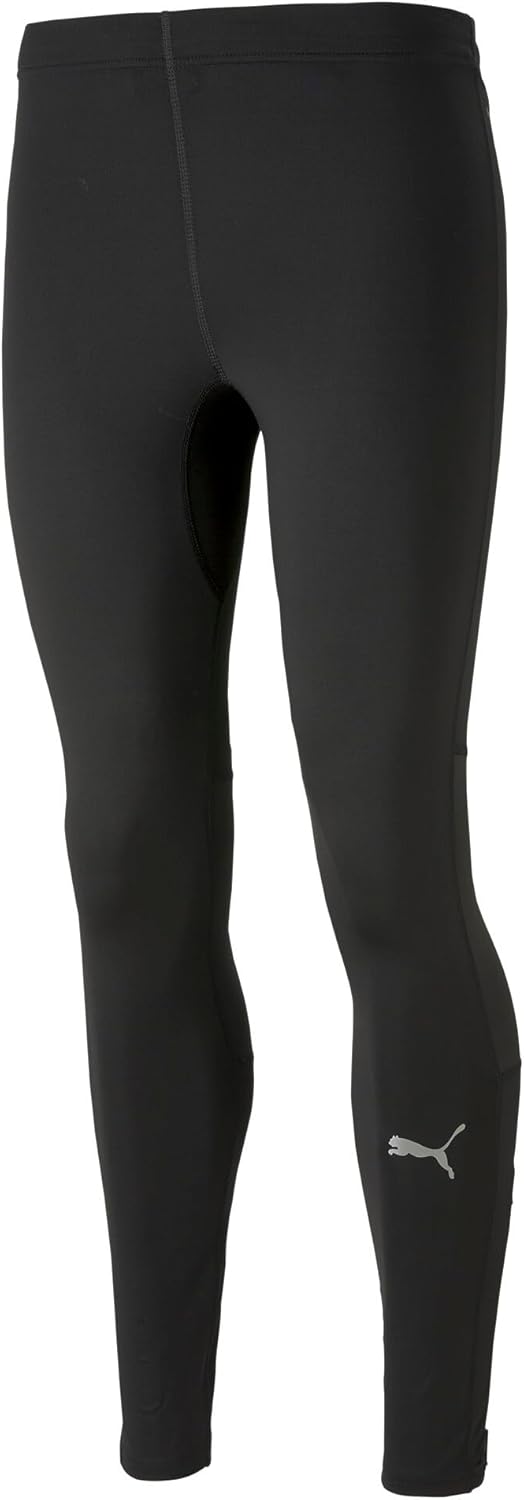
The 2XU MCS Run Compression are the tights chosen by many elite athletes and advanced runners seeking maximum compression benefits. Muscle Containment Stamping (MCS) technology applies graduated compression exactly where muscles need it most during running: quadriceps, hamstrings and calves. It is not uniform compression like in cheap tights, but an anatomically mapped compression pattern that reduces muscle vibration at the critical impact points.
The nylon fabric with 32 percent lycra is the most elastic and durable on this entire list. It fits like a second skin without restricting any movement. The fabric recovery is excellent: after hundreds of washes, the compression remains virtually intact, something you cannot say about cheaper tights that lose compression after a few months.
The weak point is the price: 120 euros is a serious investment. Also, it only has one rear zippered pocket, which may be insufficient for runners who need to carry their phone and gels. However, for races and as a post-workout recovery garment, the 2XU MCS has no rival on this list. If you race regularly in half marathons or marathons, the recovery benefit justifies the investment.
8. Lululemon Swift Speed - Premium for female runners
~118 EURIdeal for: demanding female runners, daily training, 5-18 degrees
Lululemon has earned a reputation in the women's running world that few brands can match, and the Swift Speed is their flagship running model. The Luxtreme fabric is incredibly soft to the touch, is not see-through (a frequent problem with cheap running tights), has medium-high compression that supports without squeezing, and pilling resistance is outstanding.
With four total pockets, the Swift Speed is one of the best-equipped tights on the market: three side pockets at thigh and hip height (ideal for phone, gels and keys) and one rear zippered for items you want to secure. The high waist provides abdominal support and does not slide down during running, a detail many female runners value enormously.
The price of 118 euros is high, but the build quality, fabric durability and design specifically tailored to female runners' needs justify the difference compared to more affordable options. If you are looking for tights that will last several seasons without losing shape or compression, and prioritize comfort above all, the Swift Speed is an investment worth making.

9. CW-X Expert Tights - Japanese joint engineering
~100 EURIdeal for: sensitive knees, runners with injury history, 5-18 degrees
The CW-X Expert Tights are different from everything else on this list. While most compression tights focus on muscles, the CW-X focus on joints. Their joint support system uses strategically placed compression panels around the knees and hips to stabilize them during running impact. These are the tights many physiotherapists recommend to runners with sensitive knees or a history of joint injuries.
The Coolmax nylon and lycra fabric has thermoregulatory properties: it keeps you cool when it is warm and retains heat when it is cold, giving it a very wide usable temperature range (from 3 to 18 degrees). Compression is high but focused, so in areas without support panels the tight feels light and comfortable. Flatlock seams and a wide waistband complete a design built for comfort over long distances.
The main drawback is that it only has two pockets: one rear zippered and one small side one, insufficient if you need to carry your phone and gels. Also, at 100 euros, the price is considerable. But if your knees are your weak point and you are looking for real joint support during running, the CW-X Expert are possibly the best option on the market. They are tights with a very specific purpose, and in that purpose, they are unbeatable.
10. Decathlon Kiprun Warm - Best value for winter
~30 EURIdeal for: harsh winter, regular runners on a budget, -5 to 8 degrees
The Kiprun Warm is the big sister of the Kalenji Run Warm, with substantial improvements in fabric, fit and pockets for just 10 euros more. The thermal interior fabric is denser and retains heat better, making it the ideal tight for the coldest winter days. The outer polyester slightly repels water, providing basic protection against drizzle and wet wind.
The inclusion of a side phone pocket in addition to the rear zippered pocket elevates the features to a level you would normally find in 50-60 euro tights. The low-medium compression is a step up from the Kalenji, offering some muscle support without reaching premium tight compression levels. Reflective bands on both legs and reflective logos improve visibility for running in dark winter afternoons.
At 30 euros, the Kiprun Warm is probably the best buy on this entire list if your main concern is staying warm without spending a fortune. The quality jump from the 20-euro Kalenji Run Warm is notable, especially in fit and interior fabric softness. For runners who train between November and March in cold areas, these tights are an essential investment.
Quick comparison table
So you can compare all 10 tights at a glance, here is a summary table with the key characteristics of each model. Pay special attention to compression (important if you want muscle support), pockets (essential if you carry a phone) and temperature range (to choose according to your climate).
| Model | Price | Compression | Pockets | Reflective | Temperature | Gender |
|---|---|---|---|---|---|---|
| Nike Dri-FIT Phenom | ~70 EUR | Medium | 3 | Yes | 2-15 C | M/W |
| UA Fly Fast 3.0 | ~55 EUR | Medium-high | 2 | Yes | 5-18 C | M/W |
| ASICS Road Tight | ~50 EUR | Low-medium | 2 | Yes | 3-15 C | M/W |
| Kalenji Run Warm | ~20 EUR | Low | 1 | Yes | -5-10 C | M/W |
| adidas Own The Run | ~45 EUR | Medium | 2 | Yes | 3-16 C | M/W |
| NB Impact Run | ~65 EUR | Medium | 3 | Yes | 3-15 C | M/W |
| 2XU MCS Compression | ~120 EUR | High | 1 | Yes | 5-20 C | M/W |
| Lululemon Swift Speed | ~118 EUR | Medium-high | 4 | Yes | 3-18 C | W (M limited) |
| CW-X Expert | ~100 EUR | High | 2 | Yes | 3-18 C | M/W |
| Kiprun Warm | ~30 EUR | Low-medium | 2 | Yes | -5-8 C | M/W |
Fabrics explained: polyester, nylon and lycra
Understanding the fabrics in your running tights will help you choose the right option for your needs. The three main materials you will find in virtually every pair of tights on the market are polyester, nylon and lycra (also called elastane or spandex). Each has distinct properties that affect the performance, durability and comfort of the garment.
Find your running with a group
1,100+ runners already train together. Free on iOS.
Polyester: the go-to base fabric
Polyester is the most common material in running tights and usually represents between 80 and 90 percent of the fabric composition. It is a synthetic fiber that excels at wicking moisture: it absorbs very little water (less than 0.5 percent of its weight), so sweat moves quickly to the surface where it evaporates. It is also the most affordable fabric, which explains why the cheapest tights on the market are made almost exclusively of polyester.
Polyester dries faster than any other fabric used in sportswear: wet polyester tights take about 45 minutes to air dry compared to two hours or more for cotton. It is also highly resistant to repeated washing, maintaining its shape and color for years. Its main disadvantage is that it retains odors more easily than nylon, so it needs more frequent washing.
Nylon: softness and premium durability
Nylon is the preferred fabric in high-end tights. It is softer to the touch than polyester, more resistant to abrasion and has a silky feel that reduces chafing. Premium brands like 2XU, CW-X and Lululemon use nylon as their base fabric precisely for these properties. Nylon also retains fewer odors than polyester, meaning fewer washes and greater long-term durability.
The disadvantage of nylon is that it absorbs slightly more moisture than polyester (about 4 percent of its weight), so it takes a bit longer to dry. It is also more expensive, which explains why nylon tights are usually in the 80-120 euro range. If you are a demanding runner who values skin comfort and long-term durability, nylon tights are worth the investment.
Lycra (elastane/spandex): the stretch ingredient
Lycra is not used alone but as a complement to polyester or nylon to give the fabric elasticity. A lycra percentage of 10 to 15 percent provides comfortable stretch without significant compression. Above 20 percent you start to notice real compression, and high-end compression tights reach 30-35 percent lycra. Lycra is the component that allows the tight to stretch in four directions and return to its original shape without deforming.
Lycra is also the most delicate component: it degrades with dryer heat, bleach and prolonged sun exposure. That is why it is essential to never use a dryer with running tights and wash them at low temperatures. When tights lose compression and start feeling loose after months of use, what has degraded is the lycra in the fabric. For a deeper dive into sport materials, check our complete running clothing guide.
Benefits of compression in running
Compression is one of the most used terms in sportswear marketing, but the real benefits are solid and backed by scientific studies. Understanding what compression does will help you decide if you need compression tights or if you can save money and opt for regular ones.
Muscle vibration reduction
When you run, each foot impact against the ground generates vibrations that transmit through the leg muscles. This vibration causes micro-damage to muscles that contributes to fatigue and soreness. Compression tights hold the muscles and reduce these vibrations by 20 to 40 percent according to various studies. The effect is most noticeable on long runs and on hard surfaces like asphalt.
Improved venous return
Graduated compression (stronger at the ankle and progressively lighter toward the thigh) helps venous blood return from the legs to the heart. This effect improves muscle oxygenation during exercise and speeds up the elimination of metabolic waste like lactate. It is especially beneficial for runners who train daily and need rapid recovery between sessions.
Post-exercise recovery
Where compression shows the clearest and most consistent benefit in studies is in recovery. Wearing compression tights during the hours after training reduces the perception of muscle soreness and speeds up functional recovery. Many elite runners use compression tights not for training, but for recovery: they put them on when they get home after a hard workout and wear them for two or three hours.
Length guide: full, 3/4 and short
Running tights come in three main lengths, and each has its optimal temperature range and use case. Choosing the correct length is as important as choosing the right fabric or compression level.
Full-length tights
Full-length tights cover from the waist to the ankle and are the standard choice for temperatures below 10 degrees. They protect the entire leg from cold, wind and rain. All ten tights in our ranking are available in full-length versions. They are the most versatile option because you can use them from autumn through spring. The only downside is that on mild days (12-16 degrees) you may feel some heat in the lower legs.
3/4 tights (capri)
3/4 tights end just below the knee or at mid-calf. They are the perfect option for transitional weather: days of 10 to 18 degrees where full-length tights are too warm but shorts leave you cold at the start of a run. They are also the preferred choice of many runners in races because they offer compression on the quadriceps and hamstrings without the extra heat on the calves. If you live in a temperate climate, a pair of 3/4 tights may be your only tight for most of the year.
Short tights (compression shorts)
Short tights or compression shorts end at mid-thigh. They are mainly used in summer (above 18 degrees) when you want the benefit of compression without the heat of full-length tights. They are also popular as compression underwear beneath shorts, preventing inner thigh chafing during long races. They do not offer significant thermal protection, so their use is limited to warm temperatures or as a base layer under another garment.
Temperature guide: which tights to choose
Temperature is the most important factor when choosing your running tights. Here is a practical guide you can consult before heading out. Always remember to apply the +10 rule: if it shows 5 degrees, dress as if it were 15. Running generates a lot of body heat and it is better to start slightly cold than to overheat after 15 minutes.
Below 0 degrees: thermal tights + base layer
With sub-zero temperatures you need tights with a thermal or brushed interior, like the Kalenji Run Warm or the Kiprun Warm, combined with a thin thermal base layer underneath if the cold is extreme (below -5 degrees). A windbreaker is essential: freezing wind cuts through any tight that is not windproof. Prioritize high-waisted tights that cover the lower back well.
0 to 8 degrees: thermal tights alone
This is the range where thermal tights like the Kiprun Warm or the Kalenji Run Warm are sufficient without an additional base layer. Standard tights with a brushed interior will keep you warm throughout your run. If you tend to feel the cold, add a thin base layer; if you run warm, standard tights without thermal lining like the Nike Phenom or adidas Own The Run can also work.
8 to 15 degrees: standard tights
This is the ideal temperature range for most tights on our list. The Nike Phenom, Under Armour Fly Fast 3.0, ASICS Road Tight, adidas Own The Run and New Balance Impact Run are designed to perform perfectly in this range. You do not need thermal lining; a standard breathable fabric is sufficient. This is the time of year when you have the most options and when tights perform at their best.
15 to 20 degrees: 3/4 or thin compression tights
At 15 to 20 degrees, standard full-length tights may be too much for many runners. 3/4 tights or thin compression tights like the 2XU MCS are the ideal option. You can also opt for shorts with compression shorts underneath to maintain muscle support without overheating.
Above 20 degrees: shorts or short tights
Above 20 degrees, full-length tights are generally too warm. Opt for shorts or compression shorts. If you insist on wearing full-length tights out of personal preference or protection, choose compression models with very thin, breathable fabric. The 2XU MCS, with their temperature range of up to 20 degrees, work best at this upper limit.
Pockets and phone storage
Pockets are one of the most valued features by runners when choosing tights. Carrying your phone for apps like Strava or listening to music, house keys, a card in case you need to buy water, and energy gels if you run long distances are basic needs that tights should cover. Let us analyze the types of pockets and what to look for in each one.
Side phone pocket
The side phone pocket is the most important for the majority of runners. It should be located on the outer thigh, at a height where the phone does not interfere with your stride. The best side pockets have a wide opening for easily inserting and removing the phone, a retention system (elastic band, flap or mesh) that prevents the phone from bouncing during running, and sufficient size for smartphones up to 6.7 inches. The Nike Phenom, New Balance Impact Run and Lululemon Swift Speed have the best side pockets in our selection.
Rear zippered pocket
The rear zippered pocket is the most secure: what you put there is not going to fall out. It is ideal for keys, credit card or cash. The zipper adds an extra step to access the contents, so it is not the best place for your phone if you need to check it during running. All the tights on our list have at least one rear zippered pocket.
Energy gel pockets
If you run half marathons, marathons or long training distances, you need to carry energy gels. The best gel pockets are located on the sides of the thighs, with a narrow elastic opening that keeps the gel secure but allows you to extract it with one hand while running. The New Balance Impact Run and Lululemon Swift Speed are the tights with the best gel pocket configuration in our selection.
Differences between men's and women's tights
Men's and women's running tights are not the same garment in different colors: they have significant pattern and construction differences that affect fit and comfort. Here we explain the main differences and why it is important to choose tights designed for your gender.
Cut pattern
Women's tights have a wider hip pattern and a narrower waist in proportion, following the female anatomy. The crotch is shorter and the front rise lower. Men's tights have a narrower hip pattern, a front panel with more room and a lower waist. Wearing tights of the wrong gender can cause discomfort in the crotch, waist or hip during running.
High waist vs low waist
Women's tights usually have a high waist (above the navel) that provides abdominal support and prevents the tight from sliding down during running. Men's tights usually have a medium or low waist (at hip height). Some female runners prefer low-waisted tights and vice versa; the important thing is that the waist stays in place without needing constant readjustment during training.
Opacity
See-through fabric is a more common problem in women's tights, especially in light colors. Cheap tights with a low lycra percentage and thin fabric can become transparent when the fabric stretches, particularly in the glute area during movements like squats or deep lunges. Premium brands like Lululemon and Nike have invested in opaque fabric technology that eliminates this problem. If opacity concerns you, choose dark colors and tights with a lycra percentage above 15 percent.
Reflective elements and visibility
If you run before dawn, at dusk or at night, the reflective elements on your tights can mean the difference between being visible and being invisible to vehicles. All tights in our ranking have some type of reflective element, but the quantity and quality vary significantly between models.
The best reflective systems are 360-degree ones, like the Under Armour Fly Fast 3.0, which places reflective details on the front, back and sides of both legs. This way you are visible from any angle. Basic systems, like those on the ASICS Road Tight or the Kalenji Run Warm, only include a reflective logo that offers limited visibility.
If you regularly run in low light, supplement your tights' reflective elements with a reflective vest or clip-on LED light. Built-in reflective elements on clothing are useful but insufficient on their own to guarantee your safety on roads with traffic. Never rely exclusively on your clothing's reflective elements for visibility; they are a complement, not a complete solution.
Care and washing of tights
Proper care of your running tights can double their lifespan. Incorrect washing is the number one cause of premature fabric degradation, loss of compression and deterioration of reflective elements. By following these guidelines, your tights will last several seasons in perfect condition.
Temperature and wash cycle
Always wash in the machine on a delicate cycle with cold water, maximum 30 degrees. Hot water damages lycra and elastane fibers, causing them to lose elasticity and compression. The delicate cycle reduces mechanical agitation that can weaken seams and fabric. If your tights are very dirty or have a lot of accumulated sweat, you can soak them in cold water with a little detergent for 30 minutes before putting them in the washing machine.
Detergent and fabric softener
Use mild liquid detergent, preferably one specific to sportswear. Avoid powder detergents that can leave residue on technical fibers. Never use fabric softener: softener deposits a waxy layer on the fibers that clogs the micropores of the fabric, drastically reducing breathability and moisture-wicking capacity. If your tights smell even after washing, add half a cup of white vinegar to the wash cycle; the vinegar eliminates odor-causing bacteria without damaging the fabric.
Drying
Never use a dryer. Dryer heat is the number one enemy of lycra and elastane. Air dry your tights, preferably flat on a drying rack or clean towel. If you hang them vertically, the weight of water can stretch the waist and ankles. Avoid prolonged direct sunlight, which can degrade colors and weaken fibers over time. In winter, an indoor drying rack near a radiator (but not on it) is sufficient.
Storage
Store your tights folded in a drawer, never hung on a hanger for extended periods. The weight of hanging fabric can stretch the waist and crotch. Make sure they are completely dry before storing to prevent mold and bad odors. If you will not be using certain tights for several months (for example, thermal ones in summer), store them clean and dry in a breathable fabric bag.
Common mistakes when choosing running tights
After years of testing tights and advising runners, we have identified the most frequent mistakes runners make when choosing their tights. Avoiding these mistakes will save you money and frustration.
Choosing the wrong size
Running tights should fit snug but not tight. If you can pinch more than two centimeters of fabric on the thigh, they are too big. If they leave red marks on the waist or crotch after running, they are too small. Each brand has its own size chart, so do not assume your size is the same in Nike as in Under Armour or Decathlon. Always consult the manufacturer's specific size guide.
Not testing with your phone inside
A classic mistake is buying tights without checking if your phone fits in the pocket. Take your phone to the store and put it in the side pocket. Run a few steps in the fitting room (or simulate your stride) to check that the phone does not bounce, does not fall out and does not interfere with your leg movement. A pocket that looks big when standing still can be uncomfortable or insufficient in motion.
Buying thermal tights for year-round use
Thermal tights with a brushed interior are fantastic in winter but unbearable above 12-15 degrees. No single tight works for all temperatures. Ideally have at least two pairs: thermal ones for winter (like the Kiprun Warm) and standard ones for transitional weather (like the Nike Phenom or adidas Own The Run). If you race in summer, add compression shorts. You can find more tips in our running clothing section.
Ignoring reflective elements
If you run in low light (and most runners who work do so at least part of the year), reflective elements are not an extra, they are a necessity. All-black tights without any reflective element make you practically invisible to vehicles. Prioritize tights with 360-degree reflective elements, especially on the legs which are the most visible and fastest-moving body part for drivers.
When to replace your running tights
Running tights do not last forever, and using worn tights can reduce the benefits of compression and thermal protection. These are the signs that it is time to replace your tights.
- Loss of compression: If tights that used to feel snug now feel loose without you having changed weight, the lycra has degraded. The compression is gone and with it the muscle support benefits.
- Pilling: The appearance of fabric balls on the tight surface (pilling) indicates fabric wear. While it does not immediately affect functionality, it is a sign that the tight is at the end of its useful life.
- See-through: If tights that were once opaque now become transparent when stretched, the fabric has thinned too much. It is time to replace them.
- Seams that chafe: If seams that you never used to feel now cause chafing, they have weakened or deformed. It is not worth continuing to use them and risking serious chafing on long runs.
- Waistband that does not hold: If the elastic waistband no longer keeps the tight in place and you have to constantly pull them up during running, the elastic has given out. It is an unmistakable sign that you need new tights.
With proper care, medium to high-quality running tights last between 18 and 24 months of regular use (3-4 times per week). Premium compression tights like the 2XU or CW-X can last up to 3 years if properly cared for. Budget tights like those from Decathlon last between 12 and 18 months.
Tights by budget: what to expect at each range
Not all runners have the same budget, and the good news is that there are decent tights at every price range. Here we explain what you can expect at each investment level so you can adjust your expectations.
Under 25 euros: functional basics
In this range you find tights like the Kalenji Run Warm from Decathlon. Expect basic polyester fabric, low or no compression, one pocket at most, and a lifespan of 12-18 months. For beginners who want to try running without spending much, they are perfectly functional. Do not expect premium finishes or long-term durability, but they do their job of protecting you from the cold.
25 to 50 euros: the sweet spot
Here you find tights like the Kiprun Warm, adidas Own The Run and ASICS Road Tight. Expect better fabric quality, low-medium compression, two or more pockets, good finishes and durability of 18-24 months. This is the most recommended range for regular runners who want a good balance between price and features. Tights in this range usually have decent reflective elements and flatlock seams.
50 to 80 euros: proven quality
The Nike Phenom, Under Armour Fly Fast 3.0 and New Balance Impact Run live in this segment. Expect high-quality fabrics, medium to medium-high compression, three or more pockets, 360-degree reflective elements and durability of 2 to 3 years. These are tights for committed runners who train 3-5 times per week and need reliability and comfort.
Over 80 euros: premium and specialized
The 2XU MCS, Lululemon Swift Speed and CW-X Expert are at this level. Expect graduated or focused compression, premium nylon-lycra fabrics, advanced technical design and durability of 3 or more years. These tights are designed for advanced runners, racers or people with specific needs (joint support, graduated compression for recovery). The price is high, but the performance and durability justify it for demanding users.
Frequently asked questions about running tights
What is the difference between compression tights and regular running tights?
Compression tights apply graduated pressure to the muscles, improving venous return and reducing muscle vibration during running. Regular tights simply cover and protect from the cold without significant pressure. Compression tights usually cost between 80 and 120 euros compared to 20-50 euros for regular tights. For easy runs or jogs, regular tights are sufficient. For races, intervals or post-workout recovery, compression tights offer a measurable benefit.
At what temperature do I need full-length tights for running?
As a general rule, below 10 degrees most runners prefer full-length tights. Between 10 and 15 degrees you can use capri (3/4) or short tights with leg warmers. Above 15 degrees, shorts are usually sufficient. Remember the +10 rule: dress as if the temperature were 10 degrees higher, because running generates a lot of body heat. Everyone has a different cold tolerance, so adjust these ranges to your own experience.
Can I use running tights for the gym or yoga?
Yes, running tights are perfectly suitable for the gym, yoga, crossfit or any other sport activity. The only difference is that running-specific tights often have pockets for a phone or gels and reflective elements that you do not need in the gym. If you are looking for multi-purpose tights, choose running ones without reflective elements and with good stretch. Most tights on our list work perfectly for multiple sport activities.
How do I wash running tights to make them last longer?
Always wash in the machine on a delicate cycle with cold water (maximum 30 degrees). Turn them inside out before putting them in the washing machine to protect the outer fabric. Do not use fabric softener, as it clogs technical fibers and reduces breathability. Never use a dryer: heat damages elastane and lycra, causing them to lose compression. Air dry them, preferably flat so they do not stretch out. Following these steps, good tights easily last 2-3 seasons of regular use.
Is it worth spending over 100 euros on running tights?
It depends on your level and training frequency. If you run four or five times per week and race regularly, premium compression tights like 2XU or CW-X offer real benefits in recovery and performance. If you run two or three times per week recreationally, tights costing 30-50 euros like Decathlon Kiprun or adidas Own The Run are more than enough. The performance difference does not justify the price for casual runners.
Are women's and men's running tights really different?
Yes, the differences are significant. Women's tights have a higher waist, a different cut pattern at the hip (wider) and crotch, and usually have more size variety. Men's have a front panel with more room and a lower waist. Wearing tights of the wrong gender can cause discomfort and a poor fit. Some brands offer unisex models, but in general it is better to choose tights designed for your gender.
What pockets are essential in running tights?
The essential pocket is a side one large enough for a smartphone. Most runners need to carry their phone for running apps, music or safety. Additionally, a small zippered pocket for keys and a card is very useful. If you run long distances, pockets for energy gels on the sides of the thighs are a highly valued extra. Avoid tights without any pocket: you will be forced to use a belt or armband, adding weight and discomfort.
Try your new gear running with a group
Find runners near you and put your gear to the test in good company. Free.
Join 1,100+ runners
Running Tips in Your Inbox
Routes, training plans and tips to run better. No spam.
We respect your privacy. Cancel anytime.