Disclosure: This guide contains Amazon affiliate links. If you buy through them, we earn a small commission at no extra cost to you. We only recommend products we've researched in depth.
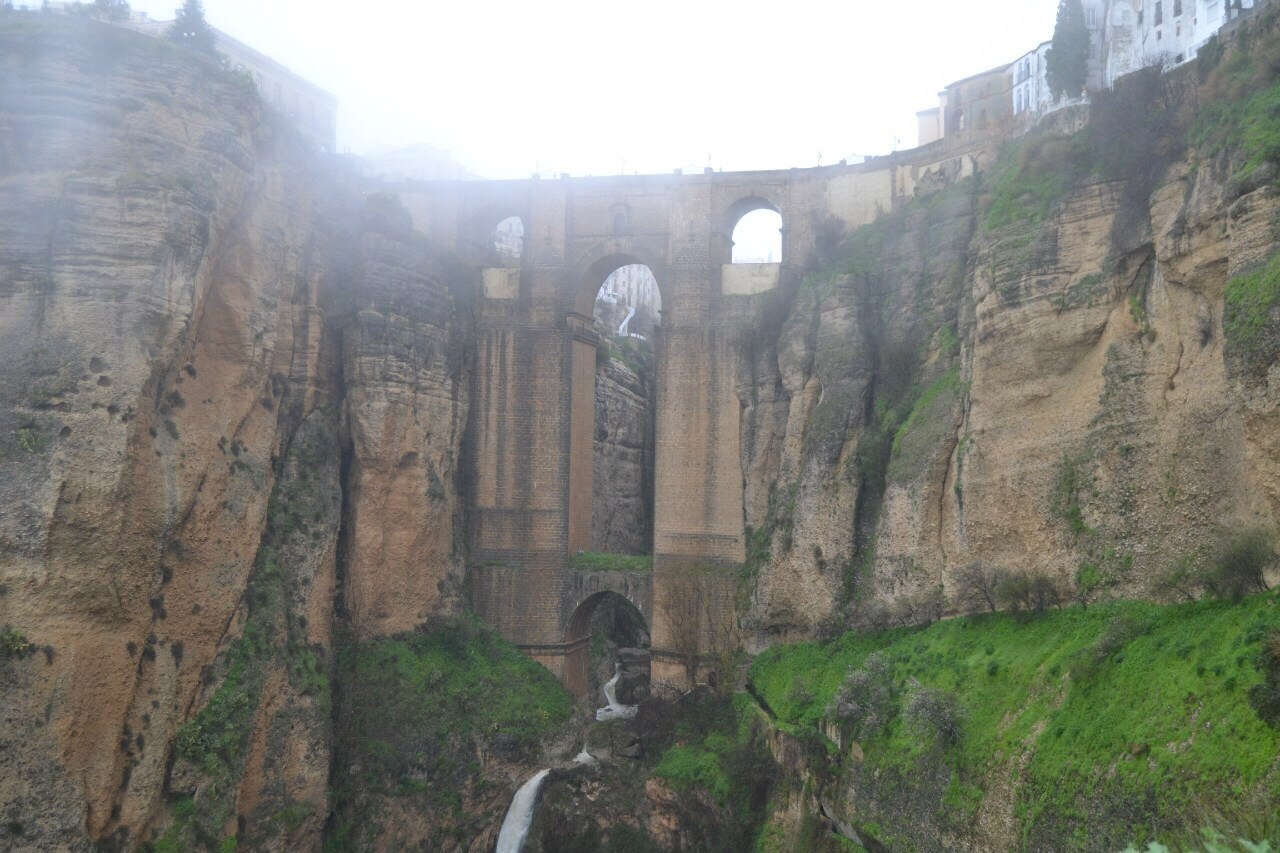
The Ronda 101 km is the most popular ultra-endurance event in Spain. Every May, thousands of runners and walkers leave Ronda's town hall square with one goal: cover 101 kilometers across the Serranía in less than 24 hours. The Spanish Legion Tercio Alejandro Farnesio (4th of the Legión) and Club Deportivo La Legión 101 has organized this challenge since 1995, turning it into a rite of passage in Spanish trail running.
This guide covers everything you need to finish: detailed course breakdown, official cut-off times, mandatory gear (with verified affiliates), 16-week training plan, nutrition strategy and logistics. Written for both first-timers and runners looking to improve last year's time.
About the Ronda 101 km
The official name is "101 km in 24 hours". Organized by the Spanish Legion Tercio Alejandro Farnesio (4th of the Legión) and Club Deportivo La Legión 101 based in Ronda since 1995, when the first edition gathered around 200 participants. Three decades later it has reached 10,000+ entries in peak years, with registration spots that sell out in hours.
The course starts and ends in Ronda (Málaga), crossing the Serranía de Ronda and parts of Sierra de las Nieves Natural Park (declared National Park in 2021). The route passes through both Málaga and Cádiz provinces, with town councils collaborating in aid stations. Mixed terrain: wide forest tracks, technical singletrack, paved sections, passing through villages like Setenil de las Bodegas, Arriate and Montejaque. Maximum altitude is around 1,300m, minimum near 250m — significant cumulative elevation but no high-altitude.
Distances and categories
| Category | Distance | Cut-off | Best for |
|---|---|---|---|
| 101 km individual | 101 km | 24h | Trail veterans / fully prepared |
| 101 km team | 101 km × 3 relays | 24h | Friend groups / clubs |
| 50 km | 50 km | 14h | Ultra newcomers / 1st experience |
| 26 km | 26 km | 7h | Mid-distance trail runners |
If it's your first ultra, start with the 50 km. Demanding but achievable with 4-6 months preparation and previous half-marathon base.
Course by sections
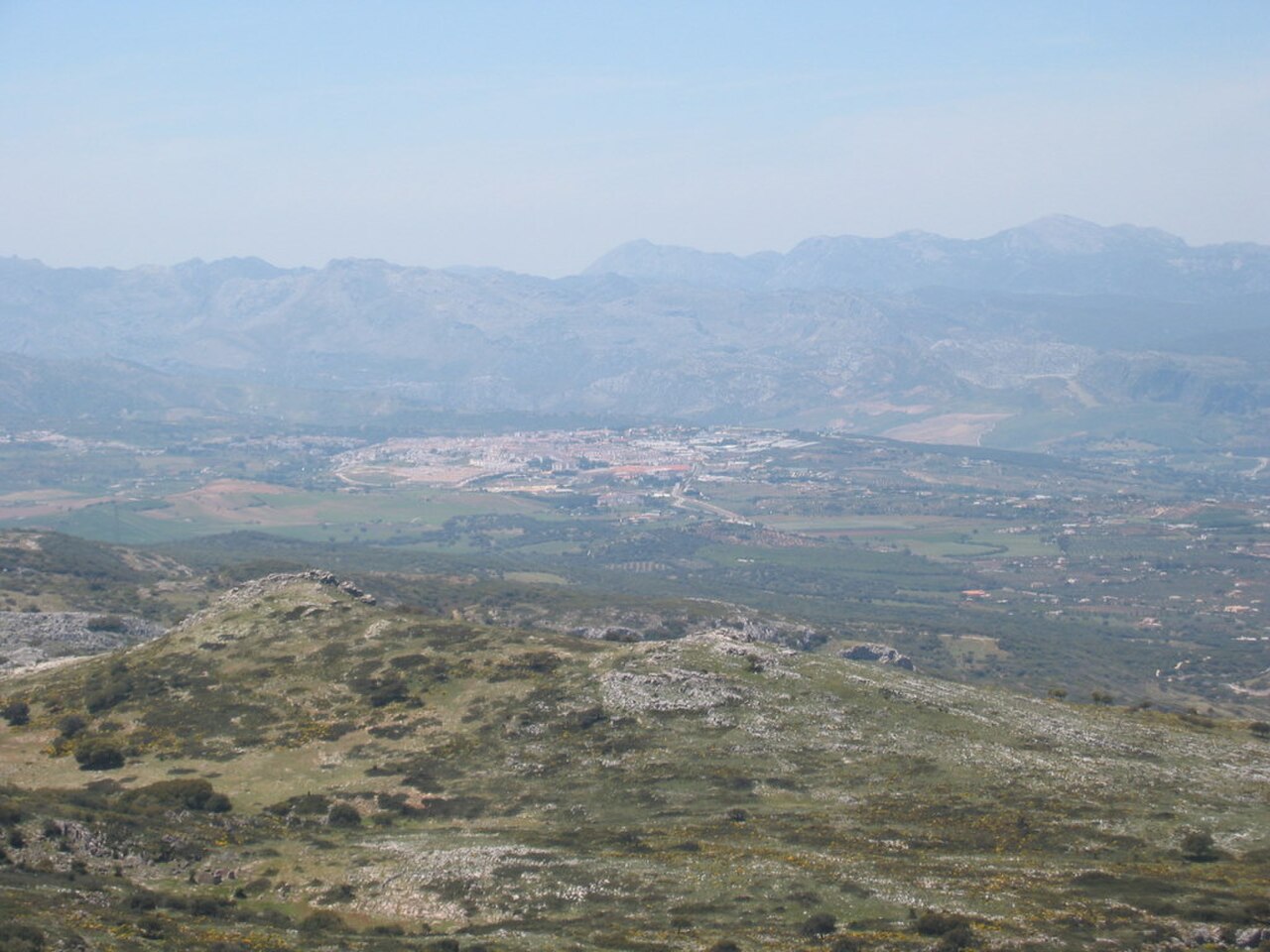
The course changes slightly each year but the structure is stable. Can be divided into 4 psychological sections:
Section 1 — Start to km 30 (the trap)
Start at 09:00 from Ronda's town hall square. Adrenaline + group + initial downhill makes it easy to go too fast. Resist. The first 30 km are the easiest of the course — comfortable forest tracks, semi-flat terrain, pleasant morning temperature. Most dropouts come from those who start at 6:00/km pace and blow up at km 50.
Strategy: conservative pace 7:30-8:30/km, walk EVERY climb (even short ones), eat every 30 min from km 5.
Section 2 — Km 30 to 60 (heat and doubt)
Sun starts to bite (May midday in Andalusia: 24-30°C). Terrain becomes more broken, technical sections appear and elevation concentrates. Many run out of salts here — DON'T wait until you cramp, take electrolytes preventively every 45 min.
There's typically a major aid station around km 50 with paella, fruit, sandwiches, water, isotonic drinks. Don't obsess about speed — sit, eat well, hydrate, continue. Losing 15 min at the aid station can save you 2 hours of "agonized walking" later.
Section 3 — Km 60 to 80 (night and head)
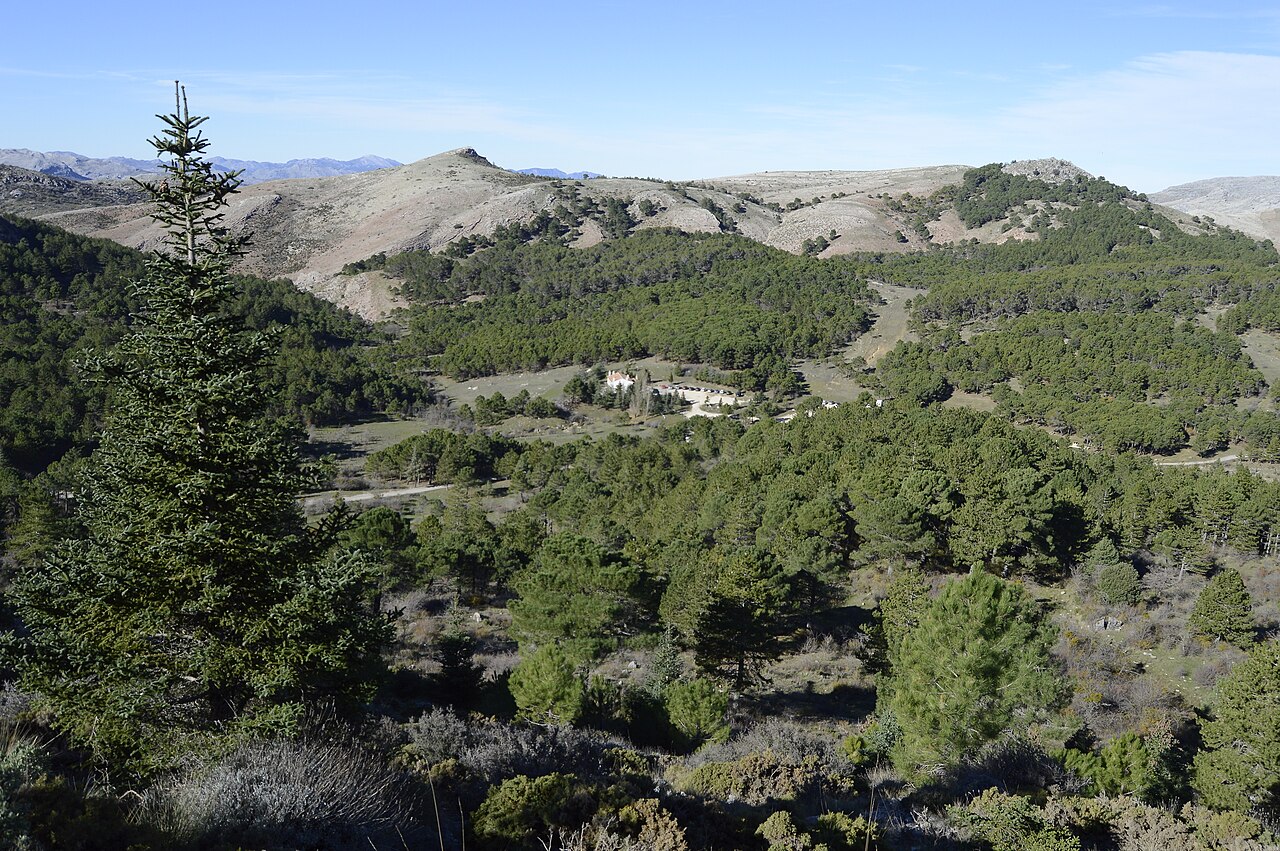
At sunset (~21:30 in May) headlamp mandatory. Difference between a decent Petzl Tikka (200 lumens) and a pro headlamp (700-1100 lm) is felt fully: the first barely lights two steps ahead, the second lets you jog technical downhills safely.
Internal dialogue kicks in. You've been moving 12-15h, ate two sandwiches and ten gels, everything hurts, it's chilly, you've lost your group. The trick: don't think about the 25 km left. Think only about reaching the next aid station. Then the next. That's the Legionnaires' technique and it works.
Section 4 — Km 80 to finish (pride)
If you've made it here within cut-off, you're going to finish. The organization knows it and final kilometers are typically technically easier. You'll see participants walking 5-6 km/h, others jogging, some standing and crying from exhaustion and emotion. All normal.
The finish at Ronda's town hall square at any time the next morning is one of the most intense sporting moments you'll ever experience. La Legión welcomes you, gives you hot broth, a medal, a hug. You've done the 101.
Official cut-off times
Cut-offs are published on the official website each year (lalegion101.com) and posted at each major aid station. Typical structure:
| Point | Approx km | Cut-off | Time limit (09:00 start) |
|---|---|---|---|
| Aid station 2 | 22 km | 3h 45min | 12:45 |
| Aid station 4 | 43 km | 7h 30min | 16:30 |
| Aid station 6 (paella) | 60 km | 11h | 20:00 |
| Aid station 8 | 80 km | 17h | 02:00 (early morning) |
| Finish Ronda | 101 km | 24h | 09:00 next day |
Gear top 8 — straight to finish
These 8 products determine whether you finish or drop out. All verified and tested in European ultras. Ordered most to least critical:
Trail shoes (most critical)

HOKA Speedgoat 6 — main pick for ultras
~€155-180Most-used trail shoe in European ultras. Maximum cushioning (35mm heel / 30mm toe) protects in km 60-100 when everything hurts. Vibram Megagrip outsole with 5mm lugs — excellent grip on dry rock, dirt, grass. Drop 5mm. Weak point: wet rock (rare in Ronda May). If you're only buying one shoe for the 101, this is the safe call. Sizing: order half a size up (feet swell after km 50).
View Speedgoat 6 →
Salomon Speedcross 6 — soft terrain alternative
~€130-160If the year's course has more mud or soft track (depends on April rainfall), the Speedcross is a world reference. Contagrip 6mm lugs + more wrapping upper than the Hoka. Drop 10mm — more conservative for runners used to road. Better for hard running than slow walking (Hoka wins at km 80+).
View Speedcross 6 →Hydration vest + flasks
Essential. Aid stations every 12-15 km — that's 1.5-2h between them. You need autonomy for 1.5L liquid minimum, gels for 6 hours and space for headlamp + windproof + thermal blanket mandatory. A poorly chosen vest = chafing on shoulders and abdomen after 4 hours.

Salomon ADV Skin 12 — ultra vest (recommended)
~€145-17012L capacity — perfect for the 101: 2 flexible 500ml flasks in front, rear space for windproof + headlamp + blanket + gels + phone. Sensifit fabric adjusts like second skin, no buttons or buckles to chafe. Front elastic closure — on in 5 seconds. The vest 60% of European ultra finishers wear.
View ADV Skin 12 → — Purchase link temporarily removed. Destination pending verification.
Salomon Active Skin 5 — entry-level alternative
~€75-95If the ADV Skin is over budget, the Active Skin 5L is the previous tier. Same Sensifit concept but 5L (just enough for the 101 with mandatory gear). 2 flexible 500ml flasks included. If you pack it tight everything fits. For ultra beginners it's perfect and lasts years.
View Active Skin 5 →Headlamp + trekking poles
Night will come. You need a headlamp with minimum 6h autonomy on medium mode, spare batteries, and ideally 500+ lumens. Poles are optional but recommended — used well they save 15-20% energy on long climbs.

Petzl Swift RL — pro 1100 lumen headlamp
~€110-140Best-selling trail headlamp in Europe. 1100lm power, 100g weight, 2,500mAh USB-C rechargeable battery, Reactive Lighting mode that auto-adjusts to ambient darkness (saves battery). Adjustable elastic band + top strap to prevent bouncing. 2-100h runtime by mode. If you'll do regular night trail, the difference vs a 200lm headlamp is brutal on technical descents.
View Swift RL →
Petzl Tikka — basic headlamp (legal minimum)
~€25-35If you don't want to invest in the Swift, the Tikka meets mandatory gear. 350lm max, 3xAAA or USB-C battery depending on version, 60h on low mode. Catch: technical night descents, you barely see two steps ahead. Works if your plan is walking the entire night (60% of participants do). Carry at least 1 spare battery set.
View Petzl Tikka →
Black Diamond Distance Carbon Z — pro poles
~€150-180Lightest carbon fiber poles on the market (~135g each at 110cm length). Foldable in 3 sections — fit in any vest. Comfortable EVA grip even after hours. If using poles ONLY for hard climbs, best option. Negative: price. If budget is tight, Black Diamond Trail Back below works at 1/3 the cost.
View Distance Carbon Z →
Black Diamond Trail Back — budget poles
~€50-70Aluminum, adjustable, foldable. Heavier than Carbon Z (~225g each) but perfectly fine for the 101. Never used poles in race? Start here — you'll learn the technique before investing pro. Comfortable grip, adjustable straps, tungsten carbide tip (grips even on rock).
View Trail Back →Race nutrition
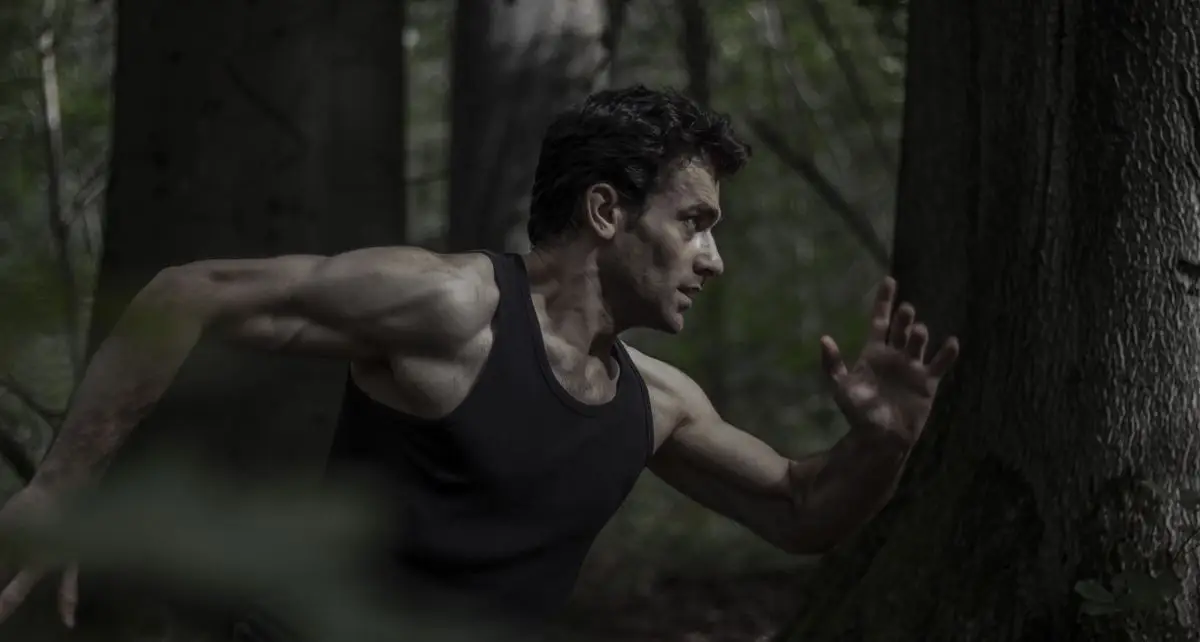
Nutrition in a 14-22 hour ultra is as important as your legs. Basic rule:
- 60-90g carbs per hour (combination gel + solid + isotonic drink)
- 500ml liquid per hour in cool weather, up to 800ml/h in heat
- Electrolytes every 45 min — preventive, don't wait for cramps
- Caffeine 150-200mg in km 60-70 — mental boost for the night
- Eat at aid stations: paella, sandwich, fruit. The organization provides real food every 15-20 km
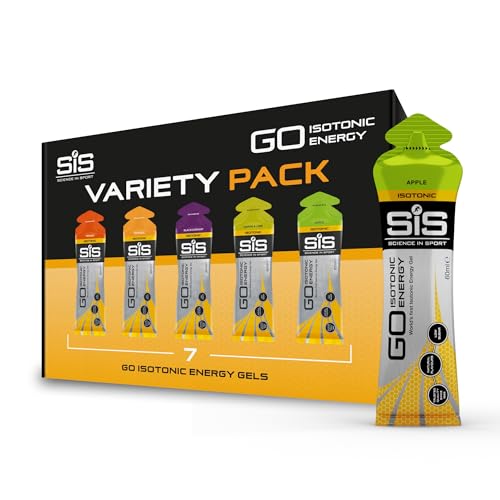
SiS GO Isotonic Gel — reliable gels
~€25-30 pack 7Isotonic gel — NO need for extra water (saves stops). 22g carbs per sachet, no caffeine (alternate with caffeine version for night section). Light and digestible flavors, no rebound after 4-5h. Carry 1 gel per 30 min running = ~25 gels for the 101. Yes, that's a lot. Yes, you must rehearse it in training.
View SiS GO Gel →
SiS HYDRO — electrolyte tablets
~€10-14 tube 20Effervescent tablets dissolved in water. Each one: 250mg sodium, 80mg magnesium, 65mg potassium. Vegan, sugar-free, berry flavor (not cloying after 10h). One every 45 min in 250ml water. Real anti-cramp, better than traditional chewable salts that taste awful after 6 hours.
View SiS HYDRO →16-week training plan
A plan adapted to runners with comfortable half-marathon base + some 30k. If only coming from 10K, multiply volumes by 1.5 and dedicate at least 6 months.
| Weeks | Focus | Weekly volume | Long run |
|---|---|---|---|
| 1-4 | Aerobic base + trail adaptation | 40-50 km | 2-3h in mountain |
| 5-8 | Volume + specific strength | 55-70 km | 4-5h with elevation |
| 9-12 | Peak volume + back-to-backs | 70-90 km | 5-6h Saturday + 2-3h Sunday |
| 13-14 | Light tapering | 50 km | 3h gear test |
| 15-16 | Heavy tapering | 30 km | 1h easy |
Logistics
- Registration: typically opens January-February. Sells out in hours. Official site: lalegion101.com
- Ronda lodging: book 3-4 months ahead. Centric hotels fill first. Alternatives: Setenil, Arriate, Benaoján (15-20 min by car), Málaga capital (60 min)
- Arrival by car: A-369 from Málaga (1h), A-374 from Sevilla (2h). Free Ronda center parking saturated Friday — arrive Thursday evening if possible
- Train: Ronda station with connections from Algeciras and Bobadilla. Not direct from Madrid/Barcelona
- Bib pickup: Friday evening and Saturday morning before start. Bring ID + registration receipt + medical certificate (yes, required)
- After the race: shower at Legión barracks (participants only), volunteer massages, hot food. Bag with results and certificate
Frequently asked questions
What is the Ronda 101 km and who organizes it?
An annual march-race of 101 km with 24h cut-off, organized by the Spanish Legion Tercio Alejandro Farnesio (4th of the Legión) and Club Deportivo La Legión 101 since 1995 in Ronda (Málaga). Crosses Serranía de Ronda and Sierra de las Nieves Natural Park. One of Spain's most popular ultra-endurance events.
Are there shorter distances?
Yes: 50 km (cut-off 14h) and 26 km (cut-off 7h) depending on the year. For your first ultra, the 50 km is the best entry point.
How much elevation gain?
Approximately +2,400m positive elevation distributed across 101 km. Not high-altitude but very punishing due to distance.
What is the official cut-off?
24 hours total. Intermediate cut-offs every 15-20 km that disqualify if not on time. Official ones published 1-2 weeks before event.
What gear is mandatory?
Minimum: bib, headlamp with spare batteries, 1L water reserve, thermal blanket, whistle, mobile with battery. Recommended: 5-12L hydration vest, foldable poles, windproof, gels + electrolytes for 12-15h.
How much time do I need to prepare?
Never done ultra: 6 months minimum structured training, with previous marathon base. Coming from comfortable half-marathon: 8-12 months.
Can it be walked?
Yes. Most participants alternate jog-walk or finish walking. At 7 km/h sustained (energetic walking) you finish in 14h30.
Where to stay in Ronda?
Book 3-4 months ahead. If Ronda center is full, try Setenil, Arriate, Benaoján (nearby) or Málaga capital (1h drive).
Find runners to train the 101 with
Ultra training is much easier with company. Download the free app, find other runners in Málaga and surroundings preparing the race, join meetups for long runs and share preparation with people suffering the same as you.
View Trail Plan free →