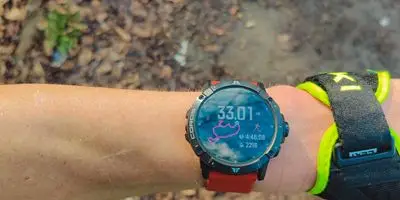
Long Run: The Most Important Session in Your Plan
Why it's the foundation of any real progress, how long it should be by goal, what pace to run it at, and the 5 mistakes that ruin it. Updated 2026.
Why it's the foundation of any real progress, how long it should be by goal, what pace to run it at, and the 5 mistakes that ruin it. Updated 2026.
If you have to pick ONE session per week, make it the long run. Above intervals, tempo, and fartlek. The reason is simple: aerobic base is built by running for a long time at comfortable pace, and that's exactly what a long run does.
Intervals improve your max speed (VO2 max), tempo improves your anaerobic threshold, but the long run improves the engine: your ability to maintain pace for hours. And without engine, neither max speed nor threshold matter on race day.
When you run for more than 60-75 minutes at conversational pace, your body activates specific adaptations no other session can give:
Duration depends on your goal. Here's the exact table:
| Goal | Base long run | Peak long run | % of volume |
|---|---|---|---|
| 5K (finish) | 5-7 km | 10 km | 30% |
| 5K sub-25:00 | 8-10 km | 14 km | 30% |
| 10K (finish) | 8-12 km | 14 km | 30-35% |
| 10K sub-50:00 | 12-14 km | 16 km | 30% |
| Half marathon | 14-18 km | 20-22 km | 35% |
| Half sub-2h | 16-18 km | 22 km | 30% |
| Marathon (finish) | 20-26 km | 32 km | 30-35% |
| Marathon sub-4h | 22-28 km | 34 km | 30% |
| Marathon sub-3:30 | 24-30 km | 34-36 km | 30% |
| Marathon sub-3h | 26-32 km | 36-38 km | 30% |
"Peak" is the highest week of the plan, usually 3 weeks before race day. Then comes tapering.
The most common mistake: running the long run too fast. The 80/20 rule says 80% of your km should be very easy, 20% hard. The long run is the heart of the 80%.
Correct pace = you can hold a conversation in full sentences without gasping. If you need short sentences, you're too fast. If you can sing, you're too slow.
Your long run pace = race pace + 60-90 seconds per km.
If you have a heart rate monitor, keep HR in zone 2 (60-70% of max HR). Zone 1 is too slow; zone 3 is no longer an aerobic long run.
So you can see exactly how to progress, here are 4 real weeks of long runs preparing for half marathon with a 30 km/week base:
CorrerJuntos generates your plan in 60 seconds. AI Coach Jose adjusts each week based on your real progress, pace and HR.
Start your free plan →The most frequent. First 3 km you feel fresh and accelerate. From km 12 onwards you blow up. If you're doing a long run, the first km should feel boringly slow.
"It's only 15 km, I don't need water." False. Above 60 min without hydrating, cramps and fatigue start. Carry a soft flask or do a circular route near public fountains.
Increasing long run 4 weeks in a row without dropping = injury. Every 3-4 weeks, drop 25-30%.
Variations that work: slow long run (base), progressive long run (each 5 km faster), long run with middle block (middle km at race pace). Alternate by phase of the plan.
"I do 2 sessions of 10 km instead of 1 of 18 km." Does NOT work. The specific aerobic adaptation of the long run appears after 60-75 min of continuous running. 2 sessions of 50 min don't give the same stimulus.
It's the longest session of your week, 25-35% of total volume, at conversational pace. Builds aerobic base, improves running economy, prepares body and mind for longer distances.
Depends on goal: 6-10 km for 5K, 10-14 km for 10K, 14-20 km for half, 24-32 km for marathon. 25-35% of weekly volume.
Conversational. 60-90 seconds per km slower than your race pace. The 80/20 rule: 80% of km at this easy pace.
Under 75-90 min no. Above, 30-60g carbs per hour (gel every 30-40 min). Hydration every 15-20 min always.
Slow down or alternate with walking. Long run is endurance building, not record breaking. If you arrive destroyed halfway, you started too fast or volume is excessive.
24-48h without quality session. Next day: full rest or very easy recovery run. Micro-damage takes 24-72h to repair.
AI Coach Jose programs your long runs, adjusts volume week by week, and gives you km-by-km audio cues.
7 plans · AI Coach · GPS · Free to start