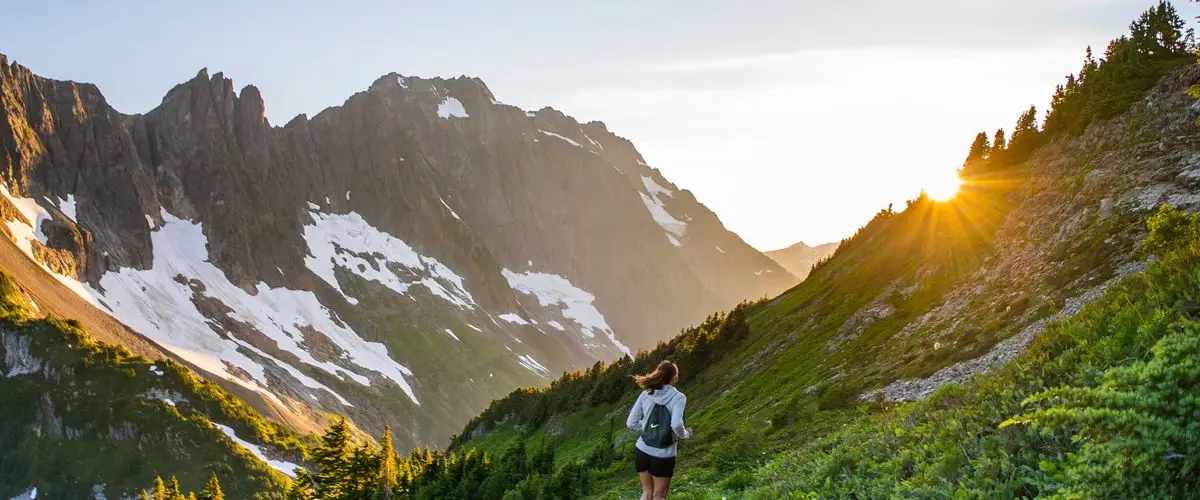
Trail running is experiencing spectacular growth in Spain. Every year, over 3,000 mountain races are held across the country, from gentle traverses through natural parks to brutal ultras in high mountain terrain. But if you have never run on trails and want to make the leap from road to dirt, the first step can feel intimidating. The distances seem long, the elevation numbers sound like suffering, and the mandatory gear list can be daunting. The reality is that many races are specifically designed for people who are just starting out, with short distances, well-marked courses, and festive atmospheres where the focus is on enjoyment, not competition. If you want to understand the differences between trail and road running before deciding, we recommend reading that guide first (World Athletics).
In this guide, we have selected the 10 most accessible and rewarding trail races in Spain for 2026. For each one, we analyze available distances, elevation gain, difficulty level, terrain type, scenery, registration dates, price range, and practical tips. We also include complete sections on how to choose your first race, a 12-week training plan, what to bring on race day, nutrition strategy, common running mistakes, and post-race recovery. We want you to arrive at the start line prepared and cross the finish line with a smile (ACSM).
If you are completely new to the world of trail running, our guide to getting started in trail running will give you the foundations you need before signing up for any race. And if you already have the basics but need gear, check out our trail running gear guide to know exactly what you need and what you do not.
What makes a good trail race for beginners
Not all trail races are created equal and, more importantly, not all are appropriate for someone making their mountain debut. Distance is just one factor. A 15 km trail race with 1,500 meters of positive elevation gain can be much harder than a 25 km race with 400 meters of gain. The terrain type matters too: running on wide, well-packed fire roads is nothing like navigating technical singletrack with loose rock and scrambling sections. And altitude is a factor that many beginners underestimate: running at 2,500 meters above sea level feels very different from running at sea level.
A good beginner trail race meets these fundamental criteria: it offers at least one short distance (10-20 km) with less than 600-800 meters of cumulative positive elevation gain, the course follows well-marked paths and trails without dangerous technical sections, the organization is solid with well-distributed aid stations and clear course markings, the atmosphere is inclusive so first-timers do not feel out of place, and the logistics are accessible (good transport links, parking, changing rooms). We also value spectacular scenery highly, because that is one of the main reasons people get into trail running: running surrounded by nature, not streetlights.
The five key factors for evaluating a trail race
- Distance-to-elevation ratio: Look for races with less than 40-50 meters of positive elevation gain per kilometer. A 15 km race with 500 D+ is manageable. A 15 km race with 1,200 D+ is an entirely different story.
- Terrain type: Fire roads and wide trails are ideal for starting out. Avoid races with technical rock sections, ridgeline crossings, or high-mountain segments if this is your debut.
- Altitude: Below 2,000 meters, altitude is usually not an issue. Above that, the reduced oxygen availability affects performance, especially if you do not live or train at altitude.
- Aid stations: A good distribution of aid stations (every 5-7 km maximum) allows you to carry less water and food, making the race more comfortable.
- Cut-off times: Generous cut-off times let you go at your own pace without clock pressure. Some races set very tight cut-offs that can create unnecessary stress for a first-timer.
How to choose your first trail race
Choosing your first trail race is a decision that deserves some thought. The most common mistake is getting carried away by excitement and signing up for a race that is far beyond what you can handle. The result is usually a negative experience that turns people away from trail running for good. Taking a few minutes to assess your level and choose wisely can mean the difference between an unforgettable experience and unnecessary suffering.
Assess your current level
Before registering, ask yourself these questions: how many kilometers do I run per week on a regular basis? Have I ever run on dirt paths or trails? Do I have experience with steep uphills and downhills? Am I used to running for more than an hour continuously? If you run at least 20-25 km per week on roads and can sustain an hour of continuous running, you have a sufficient base to prepare for a short trail race in 12 weeks. If you run less, you will need more preparation time or should start with an even shorter race.
Proximity and logistics
For your first trail race, we recommend choosing a race close to home. You do not want to add the stress of travel, lack of sleep, and unfamiliar food to the uncertainty of a first experience. If the race is less than two hours away by car, you can sleep in your own bed the night before, eat your usual breakfast, and arrive relaxed. There will be time to travel to spectacular races in other corners of Spain once you have some experience.
Time of year
The time of year heavily influences the experience. Spring (April-June) and autumn (September-November) races generally offer the best weather conditions: moderate temperatures, long daylight hours, and typically dry terrain. Summer can be brutal due to heat, especially in southern Spain, and winter brings cold, mud, and limited daylight. For a debut, spring is probably the best time.
The 10 best trail races for beginners in Spain 2026
We analyzed over 80 trail races from across Spain to select the 10 we consider most suitable for someone making their debut in this sport. The selection criteria were: availability of a short distance (under 20 km), manageable elevation gain, quality of organization, scenic beauty, logistical convenience, and a welcoming atmosphere for first-timers. Here they are, ranked by accessibility for beginners.
Find your running with a group
1,100+ runners already train together. Free on iOS.
1 La Primavera Trail - Madrid
Community of Madrid EasyLa Primavera Trail is, in our opinion, the ideal race for a trail running debut if you live in or near Madrid. The 12 km distance has a very contained elevation gain of 280 meters positive, making it accessible for any road runner with minimal preparation. The course winds through trails and fire roads in the Madrid sierra, with oak and holm oak forests that are in full green bloom in April. The organization is impeccable, with aid stations every 4-5 km, clear course markings, and a very family-friendly atmosphere.
2 Trail Sierra Norte - Seville
Andalusia EasyThe Sierra Norte Natural Park in Seville is a spectacular setting for your first trail race. The 14 km distance offers a varied course combining centuries-old holm oak meadows, streams, and shaded trails that make the race very manageable even on warm days. The 350 meters of positive elevation gain is well distributed throughout the course, without excessively steep ramps. The entry fee is one of the most affordable in our ranking, making it a perfect option if you do not want to spend much on your first experience.
3 Maraton dels Dements - Valencia
Valencian Community EasyDo not let the name intimidate you: the Maraton dels Dements has a 10 km distance that is the exact opposite of crazy. With just 220 meters of positive elevation gain, it is one of the gentlest trail races in all of Spain. The course runs along trails and rural paths through the interior sierras of Valencia, with views of orange groves and Mediterranean forests. It is a race with a long history and a very welcoming running community that receives newcomers with open arms. The organization stands out for the quality of its aid stations, featuring local products that turn each hydration while running point into a gastronomic experience.
4 Trail Costa Brava - Catalonia
Catalonia ModerateIf you had to choose just one trail race for the scenery, Trail Costa Brava would be a strong contender. The 15 km distance follows the coastal path along the Costa Brava cliffs, with turquoise-water coves on one side and Mediterranean pine forests on the other. The 450 meters of positive elevation gain is somewhat more demanding than the previous entries, with short but constant ups and downs typical of coastal terrain. The terrain is varied: dirt trail, some rock, and stretches of natural staircases. It is a moderate difficulty that requires a bit more preparation, but the visual reward more than makes up for it.
5 Maraton Alpina Jarapalos - Malaga
Andalusia EasyThe Maraton Alpina Jarapalos is a classic of Andalusian trail running held in the Sierra de Mijas, just a few kilometers from the Malaga coast. The short distance of 13 km is ideal for first-timers, with 380 meters of positive elevation gain distributed progressively. The best part of Jarapalos is the contrast of scenery: you start among olive and almond groves in bloom (if you run in February), climb trails with views of the Mediterranean, and descend through pine forests that smell of resin. The organization has been running for many years and has the logistics well dialed in, with experienced volunteers and well-stocked aid stations.
6 K42 Series - Introductory Distance
Multiple locations EasyThe K42 Series is a circuit of trail races held at various locations across Spain throughout the year. What makes them especially interesting for beginners is that they always offer a 12 km introductory distance with contained elevation gain, specifically designed for first-timers. The organization puts a strong emphasis on creating an inclusive atmosphere where short-distance runners receive the same treatment and celebration as those running the mountain marathon. It is a great option if you want to choose the venue closest to you geographically.
7 CxM Sierra de Guara - Aragon
Aragon ModerateThe Sierra de Guara is one of the most spectacular natural landscapes in Spain, and the CxM held in this natural park lets you experience it in a unique way. The 16 km distance has 500 meters of positive elevation gain, which represents a step up from the gentler races in this ranking, but remains very doable with proper preparation. The limestone canyons, holm oak forests, and rock formations make this course a visually extraordinary experience. The terrain includes some rocky sections that require attention, but nothing technical or dangerous on the short distance.
8 Haria Extreme Lanzarote - Short Distance
Canary Islands ModerateIf you are looking for a unique experience unlike any other trail race on the mainland, Haria Extreme in Lanzarote will surprise you. The 13 km short distance runs through the volcanic landscapes of northern Lanzarote, with terrain that looks like it belongs on another planet: solidified lava, volcanic sand, and views of the Atlantic Ocean from the ridges. The 550 meters of positive elevation gain is moderate but concentrated in short, intense climbs that will have you walking. What makes this race special is the absolute uniqueness of the setting: there is nothing like it in continental Europe.
9 Trail Aneto-Posets - Short Distance
Aragon - Pyrenees ModerateThe Aragonese Pyrenees is probably the most majestic setting in all of Spain for running a trail race, and the short distance of the Trail Aneto-Posets lets you enjoy that setting without needing to be an experienced high-mountain runner. The 14 km race follows trails through the Benasque Valley, at the foot of the highest peaks in the Pyrenees. With 600 meters of positive elevation gain, it is the most demanding of the easier races in our ranking, but the terrain is predominantly well-marked trail and the visual reward is unmatched: alpine meadows, black pine forests, and snow-capped peaks in the background.
10 Ultra Pirineu - Short Distance
Catalonia - Pyrenees ModerateUltra Pirineu is one of the most prestigious trail races in Spain, and its 16 km short distance lets you experience the atmosphere of a top-tier event without having to tackle the 100 km flagship race. The short course runs through trails in the Cadi-Moixero Natural Park, one of the most beautiful natural spaces in the Catalan Pyrenees. The 650 meters of positive elevation gain places it at the top end of our ranking, but the event atmosphere, organization quality, and scenery are a step above most races on this list. It is the perfect race for when you have already completed one or two easier trail races and want to step up.
Quick comparison table
So you can compare all 10 races at a glance, here is a summary table with the key data for the short distance (the one recommended for beginners) of each race.
| # | Race | Location | Dist. | D+ | Difficulty | Date | Price |
|---|---|---|---|---|---|---|---|
| 1 | La Primavera Trail | Madrid | 12 km | 280 m | Easy | Apr | 18-30 EUR |
| 2 | Trail Sierra Norte | Seville | 14 km | 350 m | Easy | Mar | 15-28 EUR |
| 3 | Maraton dels Dements | Valencia | 10 km | 220 m | Easy | Nov | 15-45 EUR |
| 4 | Trail Costa Brava | Catalonia | 15 km | 450 m | Moderate | May | 25-55 EUR |
| 5 | M. Alpina Jarapalos | Malaga | 13 km | 380 m | Easy | Feb | 18-40 EUR |
| 6 | K42 Series | Various | 12 km | 300 m | Easy | Various | 20-50 EUR |
| 7 | CxM Sierra de Guara | Aragon | 16 km | 500 m | Moderate | Jun | 22-48 EUR |
| 8 | Haria Extreme | Lanzarote | 13 km | 550 m | Moderate | Nov | 25-75 EUR |
| 9 | Trail Aneto-Posets | Pyrenees | 14 km | 600 m | Moderate | Jul | 20-55 EUR |
| 10 | Ultra Pirineu | Cat. Pyrenees | 16 km | 650 m | Moderate | Sep | 25-120 EUR |
12-week training plan for your first trail race
This plan is designed for runners who already have a road running base of at least 20-25 km per week and want to prepare for a 12-16 km trail race with 300-500 meters of positive elevation gain. If your target race has more elevation, extend the plan to 14-16 weeks. The key to trail training is not just logging kilometers, but getting your body used to uneven terrain, uphills, downhills, and the specific strength you need in the mountains. If you are just taking your first steps, our guide to getting started in trail running will give you the full context before starting the plan.
Phase 1: Adaptation (weeks 1-4)
Week 1
3 sessions: 1 easy road jog 30 min, 1 brisk hike 45 min on trail, 1 easy run 35 min including 10 min on dirt path. Total: ~15 km.
Week 2
3 sessions: 1 easy road jog 35 min, 1 trail outing 40 min alternating running and walking, 1 run 40 min with 15 min on uneven terrain. Total: ~18 km.
Week 3
3-4 sessions: 1 road run 40 min, 1 strength session (squats, lunges, core), 1 trail outing 45 min with 100 D+, 1 optional easy jog 25 min. Total: ~20 km.
Week 4
3 recovery sessions: 1 easy jog 30 min, 1 brisk hike 30 min on trail, 1 easy jog 30 min. Recovery week. Total: ~14 km.
Phase 2: Building (weeks 5-8)
Week 5
4 sessions: 1 run 40 min, 1 strength, 1 trail 50 min with 150 D+, 1 easy jog 30 min. Total: ~24 km.
Week 6
4 sessions: 1 run 45 min, 1 strength, 1 long trail 60 min with 200 D+, 1 easy jog 30 min. Total: ~27 km.
Week 7
4 sessions: 1 run 45 min with hills, 1 strength, 1 trail 70 min with 250 D+, 1 recovery jog 25 min. Total: ~30 km.
Week 8
3 recovery sessions: 1 easy jog 35 min, 1 easy trail 40 min with little elevation, 1 recovery jog 25 min. Total: ~18 km.
Phase 3: Race-specific (weeks 9-12)
Week 9
4 sessions: 1 run 40 min with 4x 2-min hill reps, 1 strength, 1 long trail 80 min with 300 D+ (race simulation), 1 easy jog 30 min. Total: ~32 km.
Week 10
4 sessions: 1 run 45 min with hills, 1 light strength, 1 trail 90 min with 350 D+ (peak volume), 1 recovery jog 25 min. Total: ~35 km.
Week 11
3 taper sessions: 1 run 35 min with 2x short hill, 1 trail 50 min comfortable pace with 200 D+, 1 easy jog 25 min. Total: ~22 km.
Week 12 - Race week
2 pre-race sessions: 1 easy jog 20 min Tuesday, 1 shakeout 15 min Thursday. Saturday or Sunday: RACE DAY. Total excl. race: ~8 km.
What to bring on race day
The gear you bring to a trail race can make the difference between a comfortable experience and a tough day. Also, most races require mandatory gear that will be checked at bib collection or at the start line. Forgetting a mandatory item can mean you will not be allowed to run, so prepare everything the night before and check it twice.
Typical mandatory gear
- Fully charged mobile phone - Your most important emergency tool. Save the race emergency number in your contacts.
- Emergency blanket - Mandatory in almost all trail races. Weighs 50 grams and can save your life if you are stuck in the mountains in cold weather.
- Whistle - To call for help if you get injured. Many trail vests have one built into the chest strap.
- Collapsible cup - Most races no longer provide plastic cups at aid stations for sustainability reasons.
- Wind jacket or rain shell - Depends on the race and weather. Some models weigh under 100 grams and fit in your fist.
- Water (minimum 500 ml) - Handheld bottle or hydration vest. For races over 15 km, a vest is much more comfortable.
Recommended gear (not mandatory)
- Vaseline or anti-chafe cream: Apply to feet, groin, armpits, and nipples before the race. Prevents the agony of chafing.
- Cap or visor: Sun protection and rain shield. Mountain sun hits differently.
- Sunglasses: Especially if the race has sections at altitude or in open areas.
- Folding poles: Usually not needed for short distances, but if the race has a long, steep climb, they can help.
- Reserve food: A gel, a bar, or some nuts. Not strictly necessary for races under 15 km, but provides peace of mind.
If you need to gear up from scratch, our trail running gear guide has everything you need to know so you do not overspend or come up short.
Nutrition strategy for your first trail race
Trail nutrition is different from road race nutrition because the effort lasts longer, the intensity is more variable, and the impact of dehydration or energy depletion is more severe. That said, for a 10-16 km race that you will complete in 1h30-2h30, the strategy does not need to be complicated. You do not need an ultra nutrition plan, but a few basic principles can make a noticeable difference in how you feel in the second half of the race.
Before the race (24-3 hours)
The night before, eat something familiar that your stomach digests well. Pasta, rice, or potatoes with lean protein (chicken, white fish) and cooked vegetables is the classic choice. Avoid excessive fiber, spicy food, alcohol, and very fatty meals. Breakfast should be at least 2-3 hours before the start: toast with jam, oatmeal with banana, or whatever your usual pre-run breakfast is. Do not experiment with new foods on race day.
During the race
For races under 90 minutes, you probably will not need to eat anything solid during the race. Water at the aid stations is sufficient. If your race will last more than 90 minutes, plan to eat something every 40-45 minutes: a gel, half a banana, some dates, or a handful of gummy candies. The important thing is to use something you have tested in training and that your stomach tolerates well. Do not try new gels or bars on race day; test those during the long training runs in weeks 9 and 10 of the plan.
Hydration
Drink in small sips regularly; do not wait until you are thirsty. In normal conditions (15-22 degrees), aim for 150-250 ml every 20-30 minutes. In intense heat, it can go up to 300-400 ml. If the race has frequent aid stations (every 4-5 km), you can go relatively light on water. If aid stations are more spread out, make sure you carry enough. For short races, plain water is sufficient. You do not need isotonic drinks unless it is very hot or the race lasts more than 2 hours.
Uphill and downhill technique
Uphill and downhill technique is what most distinguishes trail from road running, and it is probably what will surprise you the most in your first race. On roads, the terrain is predictable and your cadence barely changes. On trails, you go from jogging gently on a flat path to walking a 25% gradient in a matter of meters, then face a technical descent where every step requires decision-making and balance. Mastering these transitions is essential for enjoying the race and, above all, for avoiding injuries.
Uphills: walking is not giving up
The first and most important tip for uphills is this: walk. It is not a sign of weakness, it is not giving up, it is the right strategy. On gradients above 15-20%, walking is more energy-efficient than running. Even professional trail runners walk the steepest climbs. The time difference between power-hiking and struggling to run on a steep incline is minimal, but the difference in energy expenditure is enormous. Walk with short steps, planting your whole foot (not the toes), lean slightly forward from the ankles, and maintain a steady breathing rhythm. If you use poles, push them behind your body to propel yourself.
Downhills: the highest-risk zone
Downhills are the most demanding part of trail for a beginner, both muscularly and technically. Every downhill step generates an eccentric impact on your quads and knees that, if you have not trained for it, will leave you wrecked the next day. Proper downhill technique includes: short, frequent steps (never long strides), slightly bent knees to absorb impact, a low center of gravity leaning slightly forward (if you lean back, you slip), and eyes focused 2-3 meters ahead to anticipate obstacles. Do not brake with your heels: let gravity carry you and control your speed with cadence, not braking.
Common mistakes in your first trail race
After speaking with hundreds of runners who have made their trail debut, these are the mistakes that come up again and again. Knowing them will save you bad experiences and let you enjoy your first race much more.
- Going out too fast: This is the number one mistake. The adrenaline at the start makes you go at a pace you cannot sustain. In trail, the first kilometer should be deliberately slower than what you think you can do. You can always pick it up in the second half if you feel good.
- Not training downhills: Many beginners train uphills but ignore descents because climbing feels harder. Then race day comes, the descent destroys their quads, and the final kilometers are agony. Train downhills at least once a week.
- Using brand-new gear on race day: New shoes, new shirt, new vest, new gel. All untested. The result: blisters, chafing, stomach issues, and a bouncing pack. Always use gear you have tested in at least 3-4 training sessions.
- Ignoring the weather: Mountains are unpredictable. A sunny day at 8 AM can turn into a storm by 11 AM. Check the forecast the night before and on race morning, and adjust your gear accordingly.
- Underestimating the elevation: 500 meters of positive elevation gain sounds small until you experience it. If your race has climbs, include them in your training. Flat kilometers alone are not enough.
- Forgetting mandatory gear: Checking the mandatory gear list the day before and discovering you do not have an emergency blanket or whistle. Review that list at least a week in advance to have time to buy what you need.
- Comparing yourself to others: In your first trail race, your only competition is yourself. Do not follow the pace of other runners who may have years of experience. Run (and walk) at your own pace and enjoy the scenery. The goal is to cross the finish line wanting to do it again.
Post-race recovery
Recovery after a trail race is different from a road race because the muscular impact from uneven terrain, descents, and elevation gain is significantly greater. Even if you only ran 12-16 km, your legs are likely to be quite beaten up the next day, especially your quads (from the descents) and ankles (from the uneven terrain). Do not be alarmed; this is normal and will pass.
The first 2 hours
Right after crossing the finish line, walk gently for 10-15 minutes. Do not sit down immediately. Drink water or an isotonic drink in small sips and eat something with a mix of carbohydrates and protein: a sandwich, a recovery shake, fruit with nuts. The goal is to replenish glycogen stores and start muscle repair as soon as possible. If the organization offers post-race food (many trail races serve a paella or communal lunch), take advantage of it.
The first 48 hours
Rest actively. Walk, stretch gently, and if you have access to it, a cold water bath (10-15 minutes) can help reduce inflammation. Delayed onset muscle soreness (DOMS) typically peaks between 24 and 48 hours after the race. This is normal and does not require special treatment beyond rest, good nutrition, and quality sleep. Avoid running for at least 3-4 days after the race.
The first week
Resume activity very gradually. If you feel good by day 4-5, you can do a gentle easy jog of 20-25 minutes on flat terrain. Do not return to trail until your legs feel completely recovered, which may take 5-7 days. The first week post-race is not the time to train hard; it is the time to absorb the effort and let your body repair and grow stronger.
Essential trail running gear
You do not need to spend a fortune to gear up for your first trail race, but there are certain items that are essential and others that significantly improve the experience. Here is the priority list, from most to least important.
Essential: trail shoes
This is the one piece of gear that is non-negotiable. Trail shoes have lugs on the sole that provide grip on dirt, mud, rock, and wet grass. They also typically feature toe protection against rocks and a more durable construction for rough terrain. For a beginner, we recommend a versatile model with medium lugs (4-5 mm), good cushioning, and moderate drop (4-8 mm). You do not need the most expensive model; there are excellent options between 60 and 90 euros (Runner's World).
Highly recommended: hydration vest
For races over 10-12 km, a hydration vest is much more comfortable than a handheld bottle or belt. It lets you carry water (typically 1-2 soft flasks of 500 ml on the front), food, phone, emergency blanket, and wind jacket in a compact package that does not bounce. Entry-level models cost between 40 and 70 euros and are an investment you will use for years (ITRA).
Gear up for your first trail race
We have selected the best trail running gear with the best value for beginners.
View trail gear on AmazonRecommended: technical clothing
A breathable technical shirt, trail shorts or tights (with pockets if possible), technical trail socks (taller than road socks to protect against terrain), a cap or visor, and an ultralight wind jacket. Trail clothing does not need to be different from road running gear, but look for fast-drying fabrics that will not chafe under your pack straps. Check our trail vs road running guide to understand what changes and what stays the same.
Mountain safety
Running in the mountains means accepting risks that do not exist on the road. This is not about being alarmist; it is about being aware and prepared. The vast majority of incidents in trail races come down to three causes: dehydration or heat stroke, ankle sprains, and getting lost. All three are preventable with preparation and common sense.
Basic safety rules
- Always carry your phone with battery: It is your primary emergency tool. Switch to airplane mode during the race to save battery if you do not need data.
- Know the course: Download the GPX track of the race onto your watch or phone in case the course markings fail at any point.
- Do not leave the marked route: If you get lost, return to the last reference point you remember and look for the course markings. Do not cut through unmarked terrain.
- If you get injured, stop: Pushing through a twisted ankle can turn a mild sprain into a torn ligament. Stop, assess, and if you cannot continue, call for help.
- Watch the weather: If you see storm clouds forming, hear thunder, or feel the temperature drop suddenly, consider whether it is safe to continue. In an electrical storm, get off the ridges and seek shelter.
The trail community in Spain
One of the best things about trail running in Spain is the community. Unlike road races, where the atmosphere can be more competitive, trail running has a culture of mutual support, respect for the mountains, and celebration of the fact that everyone, from first to last, is sharing something special. It is common for experienced runners to encourage and advise newcomers, to share water bottles on tough sections, and for the finish line party to be equally intense for the first finisher and the last.
If you want to connect with other trail runners before your first race, there are several ways to do it: trail clubs in your city (most have beginner groups), group training runs in the mountains, Facebook and Telegram groups specific to trail running in your region, and events like trail camps or clinics where experienced runners teach technique and share their knowledge. Running with others on trails you do not know is also much safer than going alone.
At CorrerJuntos, we believe the best way to improve as a runner is to surround yourself with people who share your passion. Whether on roads or in the mountains, running together is always better.
Prepare for your first trail race with the right gear
Trail shoes, hydration vests, wind jackets, and everything you need for your mountain debut. The best prices and the best selection.
View trail gear on AmazonFrequently asked questions about beginner trail races
Can I run a trail race with no prior mountain experience?
Yes, but with caveats. If you already run regularly on roads (at least 20-25 km per week), you can tackle a short-distance trail race (10-15 km) with moderate elevation gain (under 500 meters D+). You will need to adapt your training over at least 8-12 weeks to include sessions on trails, dirt paths, and hills. Jumping straight into a race without training on uneven terrain is not recommended, as the risk of ankle sprains and the muscular fatigue are very different from road running.
What distance is recommended for a first trail race?
Between 10 and 20 km with a cumulative positive elevation gain under 600-800 meters. Many trail races offer short distances or mini versions designed for first-timers. The pace in trail running is much slower than on roads, so a 15 km race with 500 D+ might take you between 1h45 and 2h30. Do not worry about your time; the goal of your first trail race is to finish enjoying it.
Do I need trail-specific shoes or can I use my road running shoes?
You need trail shoes, no exceptions. Road running shoes have smooth soles designed for flat, regular surfaces. The moment you step on mud, loose gravel, or wet rock, you will slip and the risk of falling is high. Trail shoes have lugs on the sole that provide grip, toe protection, and a sturdier build. You do not need to spend 180 euros; there are models in the 60-80 euro range that work perfectly for beginners. Check our trail shoe guide to choose the right pair.
Is it mandatory to carry safety gear in trail races?
It depends on the race, but most organized trail events require a minimum set of mandatory gear that typically includes: an emergency blanket, a whistle, a collapsible cup, a fully charged mobile phone, and a wind jacket or rain shell. Some longer-distance or high-mountain races also require a headlamp, reserve food, and a hydration pack. Always read the race regulations well in advance to avoid surprises on bib collection day.
How much does it cost to enter a trail race in Spain?
Short-distance trail races (10-20 km) in Spain cost between 15 and 40 euros to enter. Medium-distance races (20-42 km) typically range from 35 to 65 euros. Ultras (over 42 km) can exceed 80-120 euros. Many races offer early-bird discounts of 15-30 percent. On top of the entry fee, factor in travel, accommodation if needed, and any mandatory gear you do not already own.
How do I handle the uphills and downhills in my first trail race?
On the uphills, walk. This is not a joke and it is not giving up; it is strategy. The vast majority of trail runners, including professionals, walk the steep climbs. Use short steps, plant your whole foot, and lean slightly forward. On the downhills, technique is key: short steps, slightly bent knees, a low center of gravity, and avoid braking with your heels. Downhills punish your quads far more than uphills, so train them before race day.
How many weeks do I need to prepare for my first trail race?
If you already have a road running base of at least 20-25 km per week, a 12-week plan is enough to prepare for a 10-20 km trail race. If you are starting from scratch or running very little, you will need 16-20 weeks. The first weeks focus on adapting your feet and joints to uneven terrain, progressively adding elevation gain, and strengthening stabilizer muscles (ankles, core, quads). Do not try to rush things; trail running requires patience.